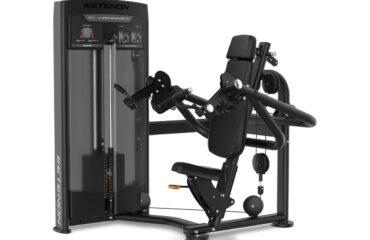
Best Glute Machines for Commercial Gyms
The glutes are the largest muscle group in the lower body, and they have become one of the strongest drivers of member demand in commercial clubs. For a gym owner, a hotel fitness manager or a municipal sports facility, the question is no longer whether to build a glute area, but which machines deserve the floor space. This guide reviews the equipment that actually earns its footprint, and what to check before you specify it.
Why a dedicated glute area pays for itself
Glute training combines two things a club rarely gets together: high member demand and low supervision cost. The movements are simple to coach, they suit beginners and advanced members alike, and they generate the kind of queue that makes a zone visible. A well-planned glute area also spreads load away from the free-weight racks at peak hours, which improves throughput across the whole floor.
The trade-off is that glute work is a mix of machine, cable and free-weight patterns. No single station covers it. The specification below is built around that reality.
The machines that belong in a commercial glute zone
Inclined leg press
The 45-degree leg press is the workhorse of any lower-body area. Foot placement alone changes the emphasis: a higher, wider stance shifts load towards the glutes and hamstrings, a lower stance towards the quadriceps. That versatility means one frame serves several member profiles, which is exactly what you want when floor space is finite. Our Gold Line 45-degree leg press is listed at 1,615.00 EUR excluding VAT and is a common entry point for clubs building a first lower-body line.
Where ceiling height or footprint is the constraint, a vertical leg press delivers a comparable movement in a much smaller plan area.
Cable stations and crossovers
Cable work is where glute training becomes specific. Kickbacks, standing abduction, pull-throughs and banded-style resisted patterns all run off a single adjustable pulley. A multi-station tower lets several members train different patterns at once, which is the difference between a zone that flows and a zone that jams. Look at professional cable stations if you are sizing this part of the floor.
Hip thrust, abduction and dedicated glute stations
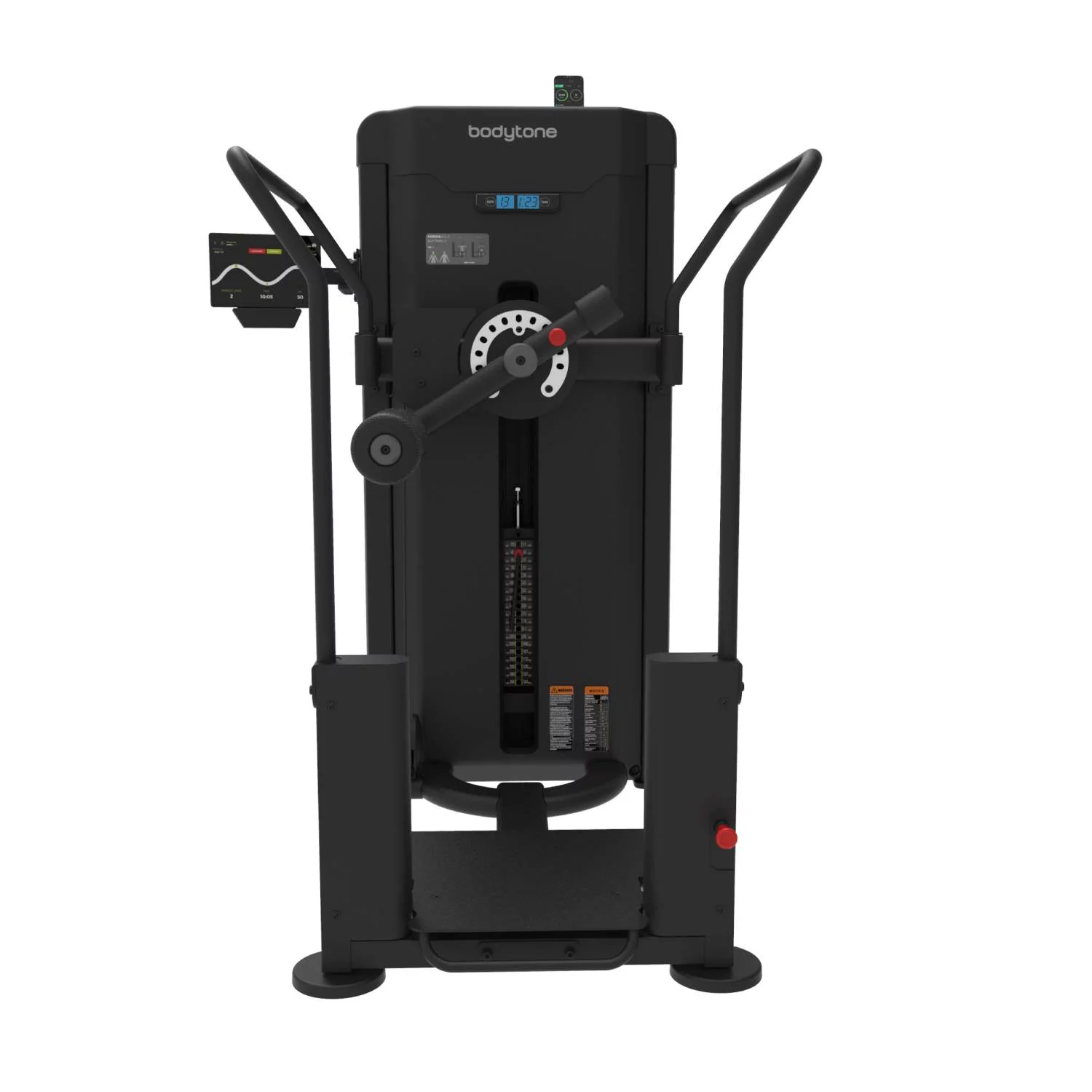
Purpose-built glute equipment has matured a great deal, and a dedicated line now covers hip thrust, abduction and glute bridge patterns with proper back support and loading. The Bodytone glute area range is designed around exactly this use case for club environments.
Racks and free-weight space
Squats and lunges remain the foundation. They can be loaded with a barbell, dumbbells or bodyweight, which makes them the most scalable pattern on the floor. Any glute zone specification should reserve rack and platform space rather than filling every square metre with selectorised machines.
Specification checklist
| Item | What to check |
|---|---|
| Standard | EN ISO 20957-1 class S for indoor equipment placed in a supervised commercial facility |
| Footprint | Plan area plus the working envelope and the circulation space around each station |
| Adjustability | Seat, back pad and foot plate ranges that cover your actual member population |
| Loading | Selectorised for throughput and beginners, plate-loaded for strength-focused members |
| Flooring | Rubber protection under any station where plates are handled or dropped |
| Maintenance | Cable, pulley and upholstery availability over the life of the machine |
Programming around the equipment
Machines only deliver results if members use them in a sensible order. Compound patterns first, squats, lunges and leg press, then cable and abduction work as accessory volume. Cardio has a place too: running, cycling, rowing and skipping all recruit the glutes while contributing to overall conditioning, and they are useful for members whose goal is body composition rather than strength alone.
Nutrition matters as much as programming, but it sits outside the equipment brief. What a club can control is the quality and availability of the stations, and the coaching that surrounds them. Members should be encouraged to consult a qualified trainer or a health professional before starting a new programme.
Frequently asked questions
How many stations do I need for a glute area?
It depends on peak-hour attendance rather than total floor area. As a rule of thumb, plan the zone around the number of members you expect to be training lower body at the same time, then add cable capacity, because that is where queues form first.
Selectorised or plate-loaded for glute work?
Selectorised machines move members through faster and suit beginners; plate-loaded frames allow heavier progressive loading and are preferred by strength-focused members. Most commercial floors mix the two.
Can one machine cover the whole glute zone?
No. Hip extension, abduction and knee-dominant patterns load the glutes differently, and no single frame reproduces all three well. A minimum viable zone is a leg press, an adjustable cable position and one dedicated hip extension or abduction station.
Is home-grade equipment ever acceptable in a club?
No. Equipment placed in a supervised commercial facility should be specified to EN ISO 20957-1 class S. Lighter categories are not designed for the duty cycle of a club floor.
Specifying your glute area
Light In Fitness has supplied professional fitness equipment to clubs, hotels, municipalities and training centres since 2013. Send us your floor plan, your peak-hour numbers and your budget, and we will come back with a station-by-station layout and a costed proposal. Request a quote and we will work through the specification with you.