Running Shoes: How to Choose the Right Pair
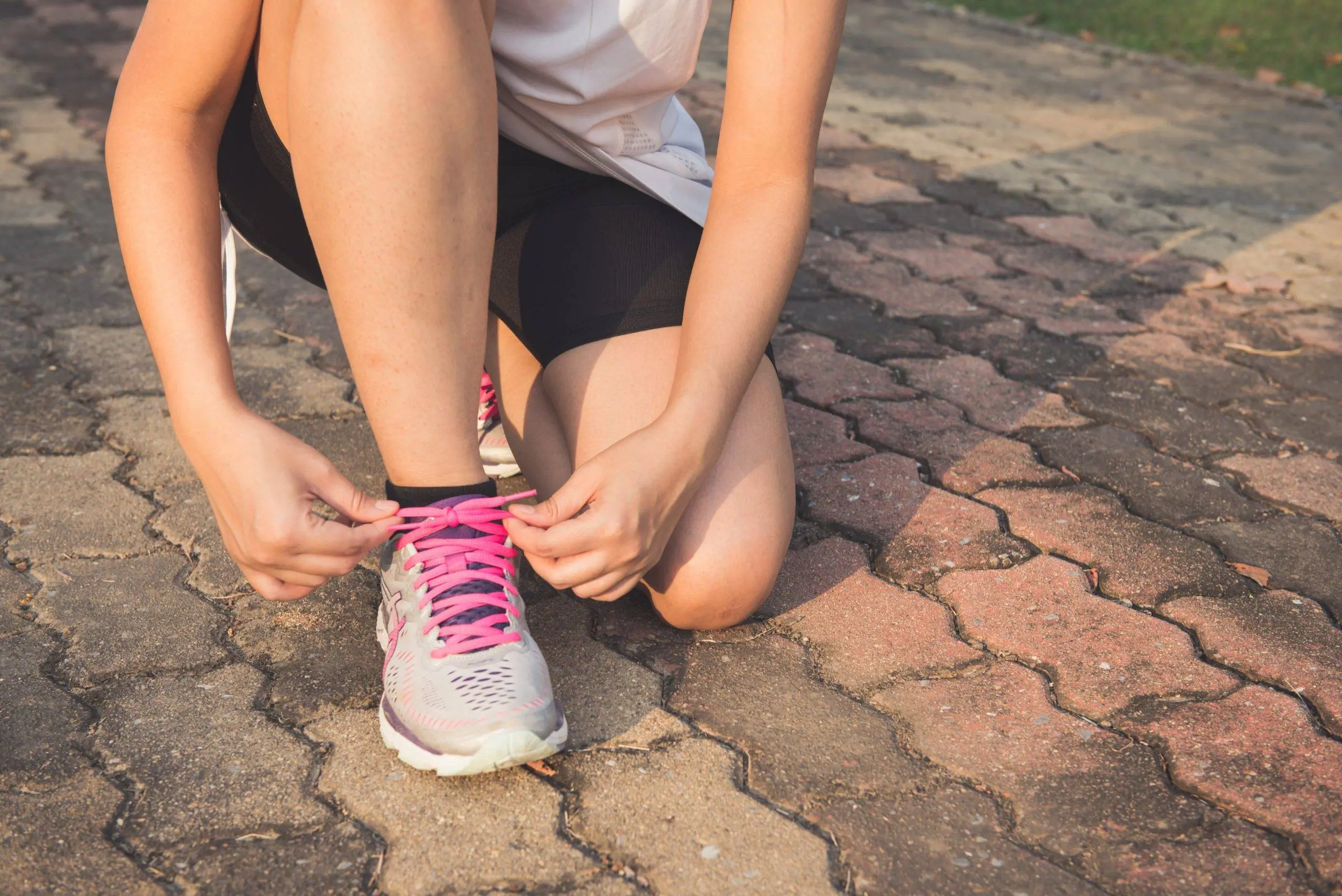
Running is one of the most widespread forms of physical activity, and it is the activity your members are most likely to practise outside your facility. For anyone who has been running for a while and enjoys it, running shoes are the first real investment: a pair designed for the purpose makes a difference that is felt from the first session. Coaches, club managers and cardio floor staff are asked about footwear constantly, so it is worth knowing what actually matters in that choice.
What a running shoe should be like
Above all it has to be comfortable, and comfort should be the first criterion in any selection. A shoe that is uncomfortable makes running markedly less enjoyable, and a member who does not enjoy running stops running. The fit also has to be snug: a shoe that is too loose slips on the foot, and one that is too tight pinches.
The second point to check is a breathable upper. Feet sweat during a run, and after a while an unpleasant smell develops in the shoe. A breathable running shoe limits that to a degree, and at the same time prevents the burning sensation that builds up in a closed, overheated shoe.
How to choose running shoes
The best way to select a pair is still to buy them in a shop. Try the shoes on before purchase and walk around in them, which is the only way to judge whether they are genuinely comfortable. Remember that running shoes deteriorate gradually with use, so the pair has to be comfortable from the outset rather than after a break-in period. It is worth looking beyond the running category on a retailer website, because running models are often listed under other headings.
It is also worth checking that the materials are durable. Sports shoes are bought for a long period, so they should not come apart or degrade quickly. Spending time in the shop and making sure you have chosen a solid pair is what allows a runner to cover thousands of kilometres in them.
Reading reviews from people who have used a given model for some time is another useful step. It tells you whether the shoe holds up. The guiding rule is to choose a shoe that causes no discomfort at all, because it will be worn for daily running rather than occasionally.
The benefits of a well-chosen pair
A well-selected running shoe brings more benefits than most people expect. The main one is comfort, which translates directly into the ability to cover longer distances and therefore to improve. A properly chosen shoe also provides adequate cushioning, so slightly less force is required at every stride.
Correctly selected running shoes also prevent painful blisters and pressure points. Anyone who has run for any length of time has experienced how unpleasant they are. A proper running shoe prevents them, or at least reduces how often they appear.
The specific construction of the shoe also delivers excellent cushioning and gives the foot adequate support. Beginners may not notice this immediately, but after running consistently for a while the difference becomes obvious.
Running shoes versus everyday shoes
The differences between running shoes and everyday shoes are significant, and they matter for comfort, performance and foot health. The main ones are these:
- Outsole construction – Running shoes are designed to provide cushioning and support while running. The sole is flexible but stable, which helps absorb impact and lets the foot move naturally as it lands. Everyday shoes, designed mainly for walking, do not have such an advanced cushioning and support system, which can lead to discomfort and injury when used for running.
- Breathability and weight – Running shoes are generally much lighter than everyday shoes. A small weight difference matters more than it appears: a few dozen grams change the experience over long distances. Running shoes are also usually more breathable, which keeps the foot at the right temperature during hard training.
- Upper fit – A running shoe has an upper designed to follow the foot as closely as possible and to hold it properly. That minimises movement of the foot inside the shoe and helps maintain good running form. On a conventional shoe the upper is often less closely fitted to the shape of the foot, which can lead to technically poor and more tiring running.
- Midsole – Running shoes frequently use specific midsole technologies such as EVA foam, or the air-cushioning systems some brands are known for. These provide additional cushioning and reduce the load on the joints while running. In an everyday shoe, the midsole is generally less advanced and offers no comparable protection.
Running shoes versus training shoes
The differences between running shoes and training shoes are just as significant, and they determine the results a member gets from each activity. At first glance the distinctions look similar to those above, but a closer look shows they are of a different nature:
- Sole construction – A running shoe has a sole designed specifically for the running gait. It usually offers substantial cushioning at the heel, which helps absorb impact as the foot lands, because running loads the foot far more than most other forms of exercise. A training shoe, by contrast, generally has a flat sole that provides stability across varied exercises such as lifting or floor work. The absence of excessive cushioning gives better contact with the ground, which matters when performing jumps, squats and other dynamic movements.
- Weight and breathability – Running shoes are usually lighter and more breathable, which helps keep the foot cool and avoid overheating. That is particularly important on long runs. Training shoes can be more versatile and less focused on lightness, and they often add support at the midfoot and heel, which is useful during dynamic work on the gym floor.
- Stability – Running shoes are built to support the foot across the whole midfoot and heel. This helps keep the running line stable and stops the foot rolling during the stride, and higher-cut models also protect the ankle from twisting. Training shoes aim at stability across varied movements rather than during running: their sole can be stiffer to support the foot while lifting or jumping, but it is not as flexible as a running sole.
Why footwear matters on your floor
Running shoes play a key role in comfort and safety while running. A poorly selected pair leads to injury and discomfort, so it is worth investing in a suitable shoe in order to enjoy the benefits of running and avoid the unpleasant consequences.
That said, beginners do not need the most expensive shoes on the market. A mid-range running shoe is enough to start with, delivers most of the benefits and does not damage the budget.
For an operator, footwear is also a maintenance question. Outdoor soles carry grit onto the training floor, which is what wears a surface and what marks upholstery. A clean-shoe policy for the studio and the strength area extends the life of your rubber gym flooring more effectively than any cleaning regime, and it is a rule members accept readily once it is explained.
Frequently asked questions
Are running shoes suitable for treadmill work?
Yes, and they are the correct choice for sustained running indoors. The belt of a professional treadmill is more forgiving than tarmac, but the gait is the same, so the cushioning and support requirements do not change. What does change is the sole: a clean indoor pair protects the belt and the deck.
How often should a running shoe be replaced?
By feel rather than by calendar. Once the midsole no longer rebounds and the runner starts to notice impact through the heel, the shoe has done its work, however intact the upper looks.
Should a facility recommend specific models to members?
Recommending criteria works better than recommending models. Fit, breathability, cushioning appropriate to the surface and durability are the four points that apply to every runner; the specific model depends on the foot.
Equipping the running side of your facility
Footwear is the member’s investment. The surface they run on, and the machines they run on when the weather rules out going outside, are yours. If you are sizing a cardio floor, comparing belt sizes and motor ratings or planning the flooring underneath, tell us the surface area and the expected attendance. Request a quote and we will return a costed configuration for the space.