How to Choose the Right CrossFit Rack for Your Gym
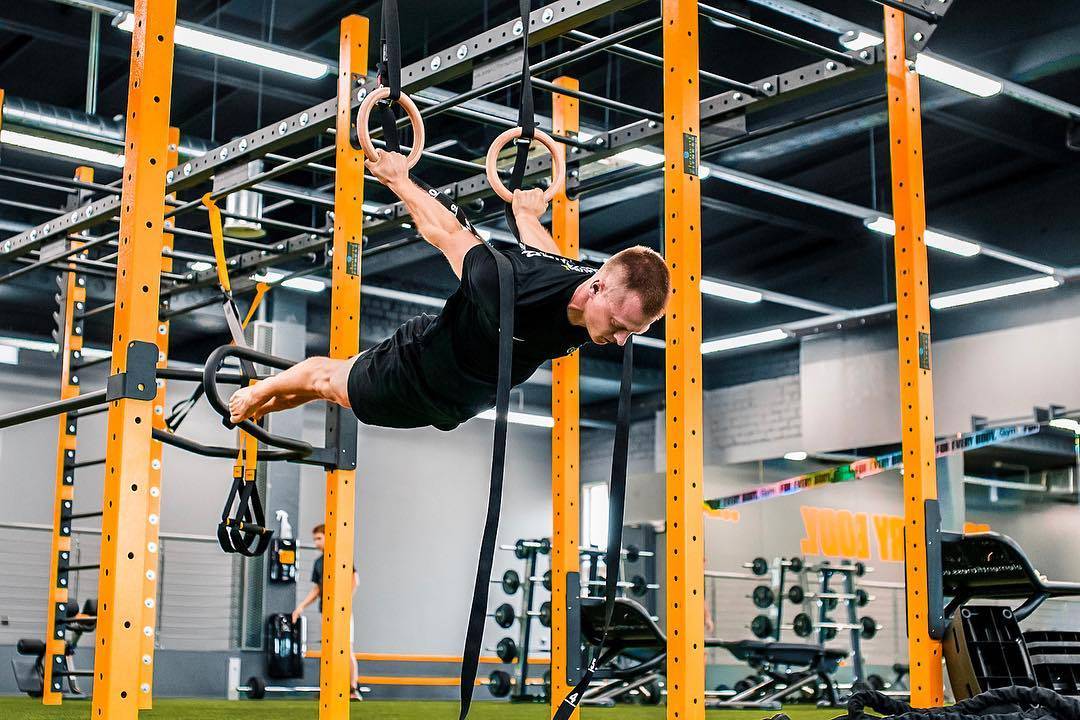
A CrossFit rack is the backbone of a training floor. Everything else can be moved, replaced or added later; the rack sets the geometry of the room, the number of athletes who can train at once and the range of movements a coach can programme. Choosing it well is therefore a facility decision, not an accessory decision. Here is how professional operators approach it.
What a CrossFit rack actually is
A CrossFit rack is a heavy steel structure, usually adjustable in height, designed to support a wide range of strength movements. Squats, presses, pull-ups, rack pulls, accessory work for the back, arms, chest and legs all run from the same frame. That versatility is the reason a single well-specified rack replaces several isolated stations, and the reason a poorly specified one becomes a bottleneck within a year.
Start with your members and your programming
Assess the level of the people who will use it and what you intend to programme. A facility with a large beginner intake benefits from a configuration with straightforward, clearly marked adjustment: safety arms and J-cups that are easy to move mean less coaching time spent on set-up and fewer errors under load. A gym running advanced classes and competitions needs a more complex structure with more stations, more attachment points and a wider movement catalogue.
Measure the space before anything else
Racks come in very different sizes and configurations. Some are compact and fit into a corner; others are multi-bay rigs that define the whole room. Measure the usable floor area, but also the ceiling height, the position of beams and lighting, the circulation space around each station and the safety distance behind pull-up bars. A rack that fits on paper but leaves no room for a barbell path is a rack that will be used at half its capacity.
Build quality and steel
The structure has to carry the athletes and every kilo that gets loaded onto it, day after day, in a commercial setting. Steel structures are the most robust and the most durable option, and for professional use that is the only sensible starting point. Look at the gauge of the uprights, the quality of the welds, the finish, and the way the rack is anchored to the floor or braced against a wall. Around it, the rest of the strength area should follow EN ISO 20957-1 class S, the professional class for indoor equipment, so the whole room is rated for the same intensity of use.
Adjustment
A good rack lets you set the height of the bar supports and the safeties to suit each athlete. That single feature is what allows a mixed group to run the same session safely, and what allows tall and short members to train at the same station without improvising. Check the pitch of the adjustment holes and how quickly a coach can change the setting between two athletes.
Attachments and options
Many models come with, or accept, attachments: pull-up bars, multi-grip handles, dip stations, storage horns for plates and bars, band pegs, dumbbell racking. These extend the movement catalogue and keep the floor tidy, which matters more in a commercial gym than in any other setting. Decide which attachments you need now and confirm that the frame will accept the rest later.
Budget
Prices vary considerably from one rack to another. The right approach is not the lowest figure but the balance between what your programming requires and what you can commit today, keeping in mind that a commercial rack is amortised over many years of daily use. A structure such as the Ziva XP24 professional CrossFit rack sits at the heavy end of that scale precisely because it is built for continuous group use.
Frequently asked questions
Freestanding rack or wall-mounted rig?
Wall-mounted rigs save floor space and suit narrow rooms; freestanding structures can be placed anywhere and reconfigured. Both exist across our CrossFit rigs and racks range, and the choice usually comes down to the building rather than the training.
How many stations do I need?
Count the largest class you intend to run and the number of athletes you want on the barbell at the same time. That figure, not the size of the room, determines the number of bays.
Can a rack be extended later?
Modular systems can be, provided you keep the same range and plan the anchoring accordingly. That is the main argument for choosing a full squat rack and power rack family rather than an isolated model.
Getting the configuration right
Level of your members, programming, floor space, steel quality, adjustment, attachments and budget: work through those seven points and the shortlist becomes short very quickly. Send us the dimensions of your room and the classes you run, and we will come back with a configuration, a floor plan and a price. Request a quote and we will build the rig around your space.