Where to Buy Professional Gym Equipment: A B2B Buyer Guide
Equipping a commercial gym, a hotel wellness suite, a municipal sports hall or a rehabilitation centre is a procurement decision rather than a shopping trip. Asking where to buy professional gym equipment really means asking which supply channel delivers certified commercial-grade machines, a warranty that survives eight to twelve hours of daily use, and a technical contact who still answers the phone three years later. Light In Fitness has equipped professional facilities since 2013, and the channels below are the ones that hold up under that scrutiny.
Specialist B2B suppliers: the default channel
A supplier that sells only to professionals is the shortest route to equipment genuinely fit for a shared, supervised environment. The reference standard for indoor stationary training equipment is EN ISO 20957-1 class S, which covers machines intended for commercial and supervised use. Anything that cannot be documented against it does not belong on a gym floor open to paying members or to the public.
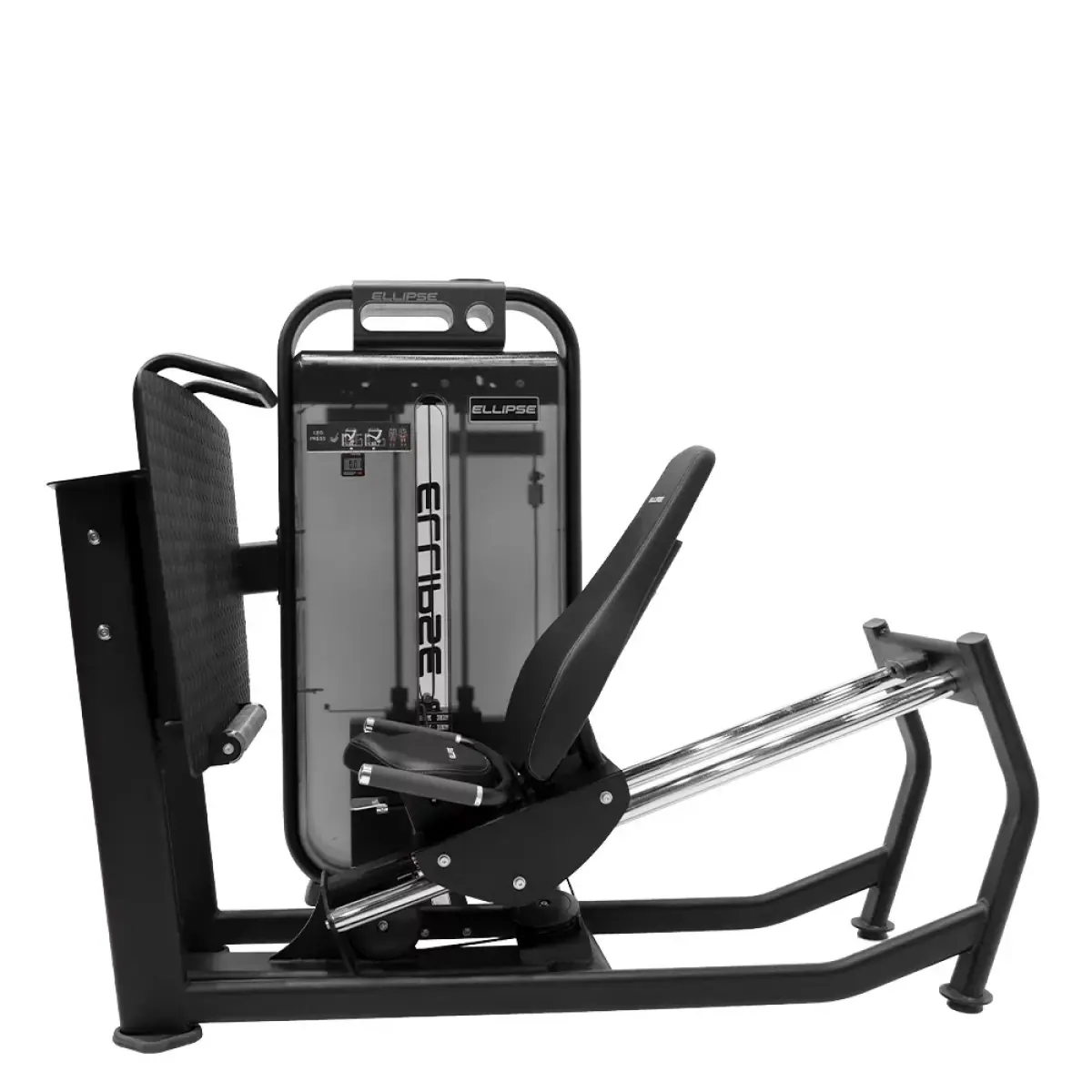
Specialist distributors also carry several brands, which matters when you are fitting out a full floor. Light In Fitness distributes Bodytone, Ellipse, Xebex and Ziva alongside its own ranges, so a single order can cover professional strength training machines, free weights and commercial cardio equipment without juggling three delivery schedules and three warranty policies.
Buying direct from a manufacturer
Going straight to the factory can make sense for a very large, very uniform order: fifty identical selectorised stations, for instance. The trade-off is everything a distributor normally absorbs. You take on the layout study, the customs and delivery coordination, the installation and the spare-parts logistics. For a facility with a mixed floor plan and a fixed opening date, that workload usually outweighs the unit-price saving.
What about second-hand equipment?
Ex-rental and ex-club machines circulate widely on online marketplaces. They can work for a low-traffic corporate facility or a small residents’ gym, provided you inspect them properly: frame welds, cable and pulley wear, upholstery condition, bearing play, and whether the original manufacturer still supplies wear parts for that model. What you cannot recover is the certification file. A used machine with no traceable documentation becomes a liability the moment a user is injured on it, and most insurers and public tender rules treat it that way.
Entry-level professional ranges
Not every space needs a full selectorised circuit. A thirty-room hotel, a campsite, a school or a small clinic can often be served by a compact professional range: a few cardio machines, a multi-station, an adjustable bench and a rack. The dividing line is not price, it is intended use. Entry level here means a smaller professionally rated selection, not equipment built for a private household. Multi-station gyms are frequently the right compromise, because one footprint covers most muscle groups and you are not back on the market six months later.
Five checks before you sign a purchase order
- Certification. EN ISO 20957-1 class S for indoor stationary equipment, documented model by model.
- Warranty. What is covered, for how long, and on which components. Light In Fitness warrants up to 20 years on its steel structures and offers a lifetime warranty on stainless steel.
- Spare parts. Confirm that cables, pads, bearings and electronics remain available for the expected service life of the machine.
- Floor loading and layout. Circulation space, ceiling height and floor protection are part of the purchase, not an afterthought.
- Track record. Light In Fitness has equipped more than 2,500 customers since 2013, across gyms, hotels, local authorities, clubs and rehabilitation centres.
Frequently asked questions
Do I need a registered business to buy professional gym equipment?
Policies vary between suppliers. Professional ranges are designed, certified and priced for supervised commercial environments, and most B2B suppliers quote on that basis. The practical question is whether your project is a shared facility carrying a duty of care, because that is what determines the specification you need.
Is professional equipment worth the price difference?
Over a service life measured in years of continuous multi-user traffic, yes. Commercial frames, bearings and running belts are dimensioned for a duty cycle that lighter equipment cannot sustain, and replacement cycles are what dominate total cost of ownership.
How should I plan a full gym fit-out?
Start from the floor plan and the user profile, not from a product list. A supplier used to commercial projects will produce a zoning proposal covering cardio, selectorised strength, free weights and functional training, then match equipment to the surface actually available.
Getting a price for your project
The most reliable way to compare channels is to put the same brief in front of each one: surface area, expected daily attendance, user profile, opening date and budget. Send us your plan and we will come back with a specified, itemised proposal. Request a quote and we will work through the layout with you.