Where to Buy a Professional Leg Press: Buyer Guide
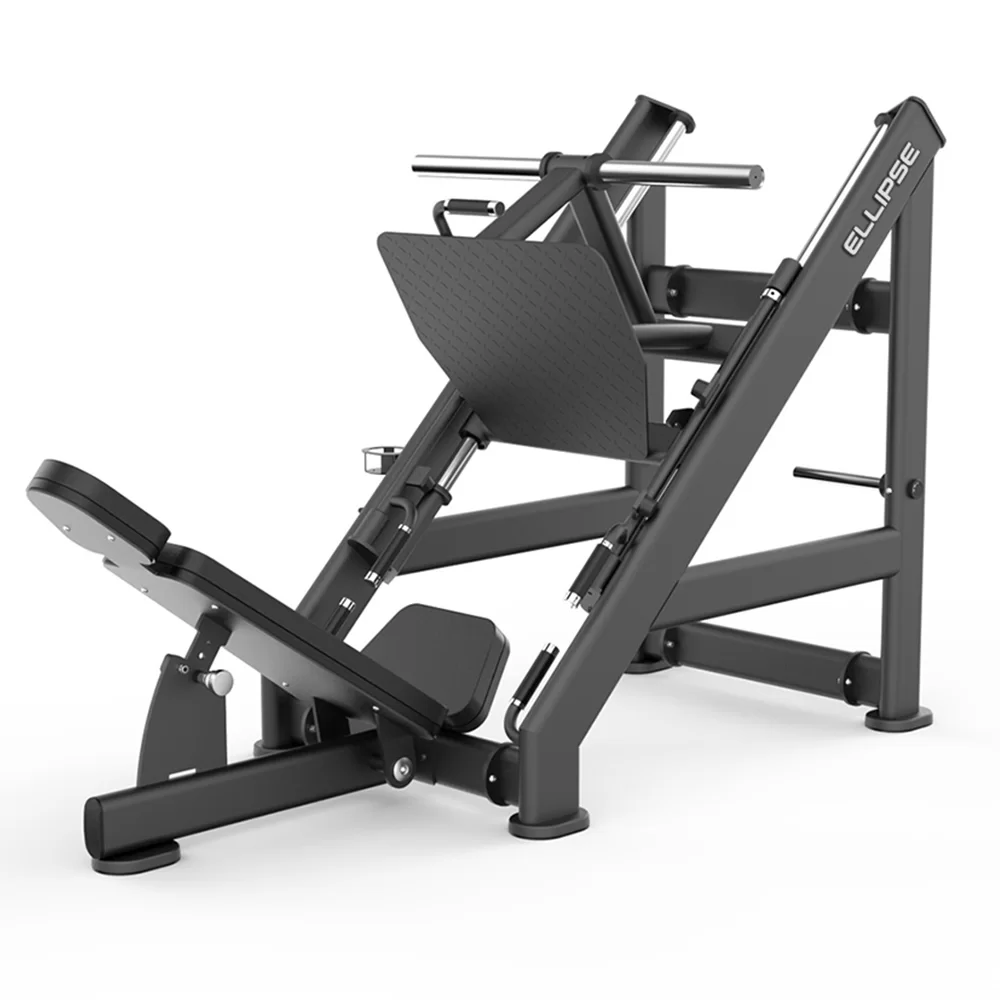
Deciding where to buy a professional leg press is a procurement decision, not a shopping trip. A commercial gym, a hotel fitness room, a municipal sports hall or a cross-training box needs a machine built for continuous multi-user duty, compliant with EN ISO 20957-1 class S, and still supported with spare parts several years after installation. Here is how the available routes to market compare.
Fix the specification before you contact a supplier
Three parameters decide the shortlist. First, the floor area you can dedicate to the station, including the run-out space behind the backrest and the loading side. Second, the loading system: plate-loaded presses for strength-focused facilities, selectorised presses for high-turnover circuits where users change quickly. Third, the user profile, which determines the seat adjustment range and the accessibility of the entry position. Only once these are written down does supplier comparison become meaningful.
Specialist B2B distributors
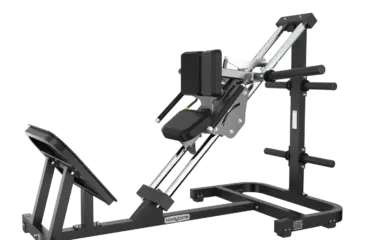
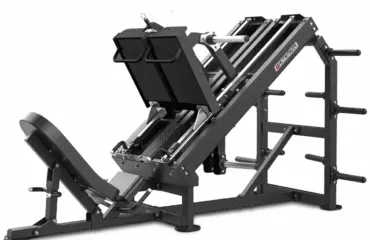
Distributors that work exclusively with professional operators are the shortest route for most projects. They carry a full leg press line rather than a single model, they can compare a 45-degree plate-loaded press with a vertical leg press for a low-ceiling room, and they quote installation as part of the package. Light In Fitness has equipped commercial facilities since 2013 and lists its leg press models inside the wider plate-loaded machines and selectorised machines ranges.
Buying direct from the manufacturer
Going straight to a manufacturer can make sense for a large single-brand fit-out. You gain direct access to engineering support and to the full option list. In exchange you generally take on the coordination yourself: freight, unloading, assembly and the interface with your other suppliers. For a mixed floor plan combining strength, cardio and free weights, a distributor that already integrates several brands usually removes more work than it adds.
Second-hand and ex-club equipment
Clubs that refit their floor regularly release used machines, and general classified marketplaces list them. The price is attractive, but a professional buyer has to check what is not visible: frame weld condition, wear on the guide rails and bushings, integrity of the pivot bearings, and whether the manufacturer still supplies pads, cables and pulleys for that generation. A used press with no available spare parts is a machine you will retire early. Ask for the serial number and confirm parts availability before committing.
What to verify before signing
Whatever the route, four points belong in the order confirmation: the compliance reference of the machine, the guaranteed maximum load, the warranty terms on frame and moving parts, and the lead time. Ambiguity on any of these is a good reason to ask for a revised quotation rather than to negotiate the price further.
FAQ
Is a plate-loaded or a selectorised leg press better for a commercial gym? Plate-loaded suits strength-oriented facilities and gives a more progressive feel under heavy load. Selectorised suits circuits and mixed-ability memberships because the load changes in one movement.
How much space does a professional leg press need? It depends on the model and the loading angle, so take the footprint from the technical sheet of the exact reference and add circulation space around it.
Can a professional leg press be installed on a first floor? Yes, provided the structural load capacity has been checked and suitable protective flooring is fitted under the machine.
Get a quotation for your project
Send us your floor plan, your ceiling height and the number of members you expect on the station, and we will propose the leg press configuration that fits. Request a quote and we will come back with a costed proposal.