Are Rubber Tiles Suitable for Wet Areas?
Rubber tiles are versatile, hard-wearing floor coverings used in an ever-wider range of environments. One of the questions that comes up most often is whether they are suitable for wet areas. This article looks in detail at what rubber tiles are, how they behave when water is involved, and the advantages and drawbacks of using them in those conditions, so that a specification can be made on evidence rather than on assumption.
Rubber tiles: a versatile solution
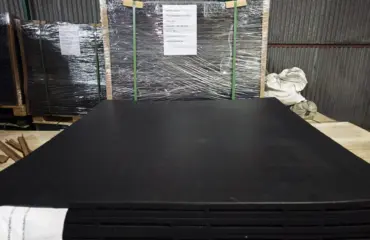
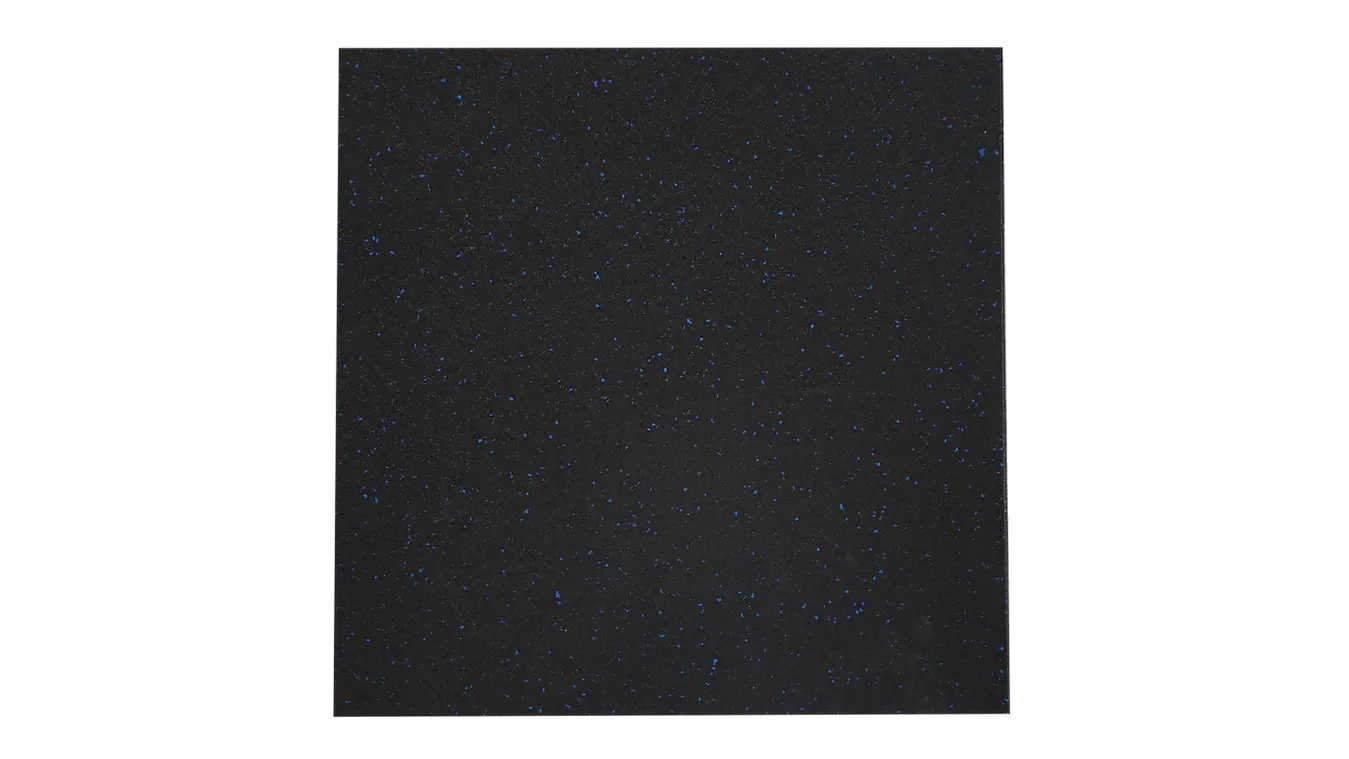
Rubber tiles are floor coverings made from rubber compound, generally recycled rubber. They come in a variety of shapes, sizes and colours, which makes them versatile and suitable for a wide range of applications. They are commonly used in playgrounds, parks, gyms, sports surfaces, garages, entrances and commercial areas.
The full range of rubber gym flooring tiles covers thicknesses and formats from thin interlocking puzzle tiles up to heavy build-ups intended for dropped loads. That range matters here, because the answer to the wet-area question depends far more on the format and the installation than on the material itself.
The advantages of rubber tiles in wet areas
Rubber tiles bring several real advantages when they are used in wet environments.
- Water resistance. Rubber is naturally water resistant, which makes it a sound choice for wet areas. It does not degrade or deteriorate readily when exposed to moisture.
- Safety. Rubber tiles give a non-slip surface, including when wet. That makes them safe to use in areas where there is a risk of slipping, such as pool surrounds and shower areas.
- Durability. Rubber tiles are known for their durability. They withstand intensive use and demanding conditions, including wet areas, they do not crack easily, and they last a long time without needing major repair.
- Ease of maintenance. Rubber tiles are easy to maintain in wet areas. They can be cleaned with water and soap and need no special products, and they resist staining and the build-up of dirt.
The drawbacks to weigh up
There are also drawbacks that belong in the decision.
- Limited impermeability. Rubber tiles are water resistant but not fully waterproof. In some conditions water passes through the joints between tiles, which can lead to water accumulating beneath the surface. The material is not the weak point; the joint is.
- Regular maintenance. Rubber tiles need regular maintenance to keep their appearance and their performance. In wet areas, where moisture and mould are more likely to be present, regular cleaning is necessary to avoid health and safety problems.
- Initial cost. Rubber tiles can cost more to buy and install than other types of floor covering. Their durability and their working life offset that higher initial cost over time.
What actually decides the specification
Three points separate an installation that works from one that has to be lifted a year later.
Drainage comes first. Because water passes through the joints, the question is not whether water gets under the tiles but where it goes next. A substrate with a fall to a drain and a floor build-up that lets water reach it will perform indefinitely. A flat, sealed substrate under a jointed tile turns the joint line into a reservoir. On pool surrounds this is why free-draining pool surfacing is a distinct product family rather than the same tile used elsewhere.
The joint type. Interlocking puzzle tiles such as the 7 mm dark grey rubber puzzle tile are quick to lay and easy to lift for cleaning, which is an advantage in a wet zone where the floor needs to come up periodically. Bonded systems keep water out of the joint more effectively but cannot be lifted. Neither is universally right, and the choice follows the cleaning regime.
Slip resistance is measured, not assumed. Rubber grips well when wet, but a barefoot wet area is a specific case with its own slip-resistance classification. Ask for the classification of the exact tile you intend to install, in the surface finish you intend to install, rather than relying on the material category.
One more point applies to any building open to the public: the reaction-to-fire classification of the floor covering is set by the national building rules of the country of installation. Our puzzle tile range is supplied with a Cfl-S2 classification, and the classification of any tile should be checked against the requirement that applies to your building before ordering.
FAQ
Can rubber tiles be used around swimming pools?
Yes. Rubber tiles are suitable for use around pools. They give a non-slip, water-resistant and durable surface, which makes them well suited to the wet areas around a pool, provided the substrate drains.
Are rubber tiles resistant to mould?
Yes. Rubber tiles are naturally mould resistant. They do not promote mould growth and can be cleaned easily to prevent any mould problem. Water trapped under a tile on an undrained substrate is a different problem and is solved at the substrate, not at the tile.
Can rubber tiles be used in showers?
Yes. Rubber tiles can be used in shower areas. They give a non-slip, water-resistant surface, which makes them safe and suitable for use in wet areas. For barefoot shower areas, confirm the slip-resistance classification of the specific tile and plan for the floor to be lifted or cleaned frequently.
Are rubber tiles easy to install?
Yes. Rubber tiles are relatively easy to install. They can be laid directly on a flat, clean surface without significant preparatory work. In a wet area, the flatness and the fall of that surface are what determine the result.
Can rubber tiles be used outdoors?
Yes. Rubber tiles can be used outdoors. They are weather resistant and withstand outdoor conditions, including wet areas.
Can rubber tiles be used in industrial areas?
Yes. Rubber tiles are suitable for use in industrial areas. They offer additional protection against impact and vibration while resisting moisture and wear.
Conclusion
Rubber tiles are a versatile and hard-wearing flooring option. They bring genuine advantages in wet areas: water resistance, slip safety, durability and easy maintenance. They also have drawbacks, and the honest answer to the question in the title is that rubber tiles are generally suitable for wet areas provided the substrate drains, the joint type matches the cleaning regime and the slip-resistance classification is confirmed for the exact product. Choosing a high-quality tile and maintaining it regularly is what delivers durability and performance in the long run.
Light In Fitness manufactures and supplies sports and fitness flooring for gyms, clubs, hotels, pools and local authorities. Send us the area, the substrate, the drainage arrangement and the intended use, and we will specify the tile, the thickness and the laying method. Request a quote for your project.
Réalisations documentées
- Dalles et sols sportifs : livraisons documentées – plusieurs chantiers
- Sol sportif extérieur, square Georges-Vallerey – Taverny (95)
Sources et références
- Arrêté du 19 avril 2011 – étiquetage des produits de construction ou de revêtement de mur ou de sol sur leurs émissions de polluants volatils (Légifrance)
- Ministère de la Transition écologique – étiquetage des produits de construction : classes d’émission A+ à C