Professional Gym Equipment: Which Kit to Choose and What to Look For
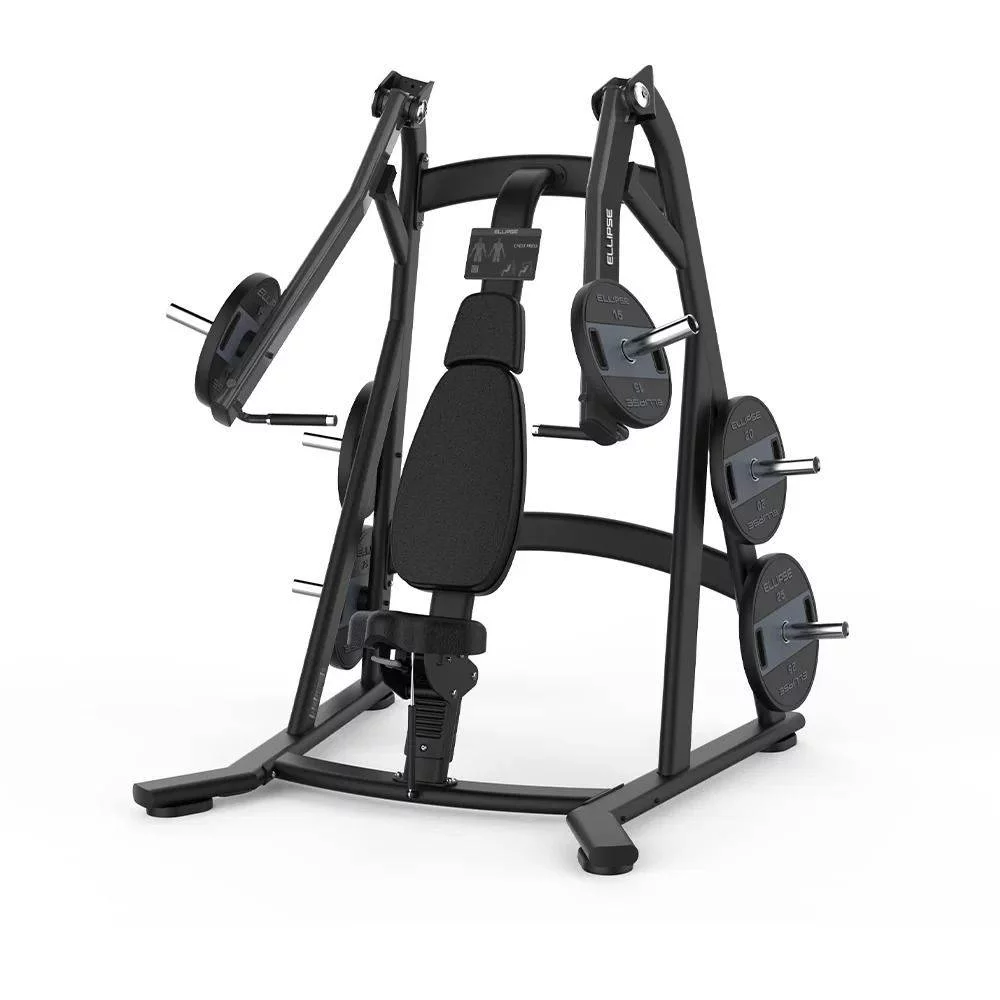
A wide choice of training stations is one of the strongest arguments a commercial gym has. Behind that choice sits professional equipment: more adjustment range, higher load ratings and a duty cycle designed for machines used all day, every day. Fitting out a facility is rarely as simple as it looks. There are dozens of manufacturers, hundreds of models and price gaps wide enough to make any first-time operator hesitate. So which gym equipment should you choose, and what should guide that decision?
Professional gym equipment: buy for commercial use, not for the invoice
For a commercial gym, a fitness club or a hotel facility, training equipment is an investment that has to pay for itself. It is not a cheap purchase. Equipment built to EN ISO 20957-1 class S, the class intended for professional and supervised use, costs considerably more than lighter equipment, and it should. The premium buys a frame, a bearing set and an electronics package that keep working under very high intensity and heavy traffic, plus a spare parts channel that still exists several years after delivery. That is what a long service life actually rests on.
The reverse is just as true. Equipment that is not rated for professional use fails in a commercial setting far faster than its price advantage lasts, and downtime on a popular station costs memberships, not only repair invoices.
What to consider when buying gym equipment
What does it mean for equipment to pay for itself? Every machine you install should be used as often as possible. That depends first on the profile of the facility. A gym serving members who train mainly for muscle mass and definition needs a different mix from a club optimised for cardio work, and the two mixes are not interchangeable.
Every facility should of course cover both strength and cardio. But once you know which type of training, and therefore which type of member, the club is built around, you can weight the order towards the stations that will be occupied the most hours per week. Those are the machines that earn their keep. In practice that means pairing a solid core of strength training machines with the right depth of cardio equipment rather than spreading the budget thinly across every category.
The number of units, meanwhile, depends mainly on the usable floor area. The larger the space, the more stations it can hold, with enough circulation room around each one. Whatever the size, make sure the most popular machines are available in the largest quantity the room allows: queues at peak hours are one of the most common reasons members do not renew.
New or refurbished equipment?
Refurbished equipment is a genuine middle path for operators who want professional quality without a full-price order. These are second-hand professional machines from established manufacturers, designed in a way that allows them to be completely rebuilt.
Refurbishment means replacing or fully reconditioning every worn working component, electronics included. The appearance is restored as well: parts are stripped, cleaned and often repainted. The result is a machine that is professional in every respect and close to new in condition, at a cost up to 40% below the equivalent new equipment. Refurbished stock changes constantly, so it is worth checking the current special offers before finalising a list.
Both families can be refurbished: strength stations such as selectorised machines, weight benches and functional training rigs, and cardio machines such as treadmills, exercise bikes and cross trainers.
Frequently asked questions
Which standard applies to indoor gym equipment?
Indoor training equipment for professional use falls under EN ISO 20957-1, class S. Ask for the class in writing before ordering: it is the clearest single indicator that a machine is designed for supervised commercial use.
Is refurbished equipment suitable for a busy club?
Yes, provided the refurbishment covers the working parts and the electronics, not only the paintwork. Ask which components were replaced, who carried out the work and what warranty applies to them.
Should I buy the same machine several times over?
For the stations your members use most, yes. Duplicating a popular machine usually does more for the experience at peak hours than adding one more unusual station that stands idle.
Building the list with a specialist
Choosing gym equipment comes down to three questions: is it rated for professional use, will it be used often enough to pay for itself, and does it fit the space you actually have? Light In Fitness has been equipping professional facilities since 2013 and answers all three at once, with a layout study, an equipment list and installation. Request a quote and we will build the specification around your floor plan and your members.