The Professional Cross Trainer: A Complete Guide for Operators
L'elliptique professionnel se distingue par la masse de son volant d'inertie, la robustesse de ses roulements et une longueur de foulée adaptée à la morphologie moyenne. Il combine travail du haut et du bas du corps sans impact articulaire. C'est l'un des postes cardio les plus fréquentés d'un plateau.
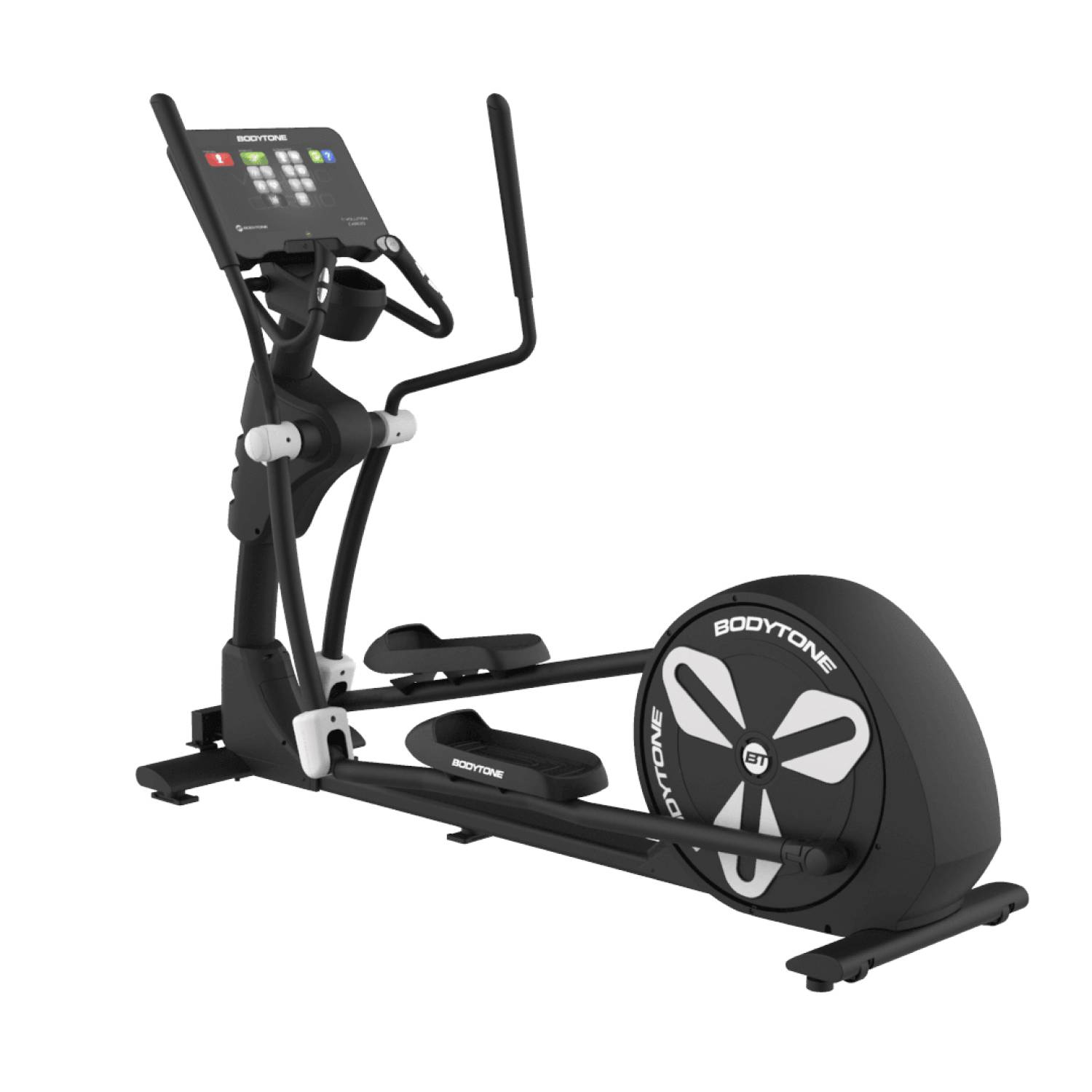
The professional cross trainer is one of the most versatile machines a fitness facility can install. It suits deconditioned first-timers, members returning from injury and trained athletes, and it does so on a single station with a predictable footprint. This guide covers what the machine is, what it delivers, where it is used and how to specify one for a commercial site.
What a professional cross trainer is
The cross trainer combines the movement patterns of cycling, cross-country skiing and running. It is built to deliver low-impact training that loads the legs, the arms and the trunk at the same time. Because the elliptical path is smooth and continuous, the machine strengthens and conditions the musculature while sparing the joints.
What separates a professional machine from a light one is the flywheel mass, the quality of the bearings and a stride length suited to average body size. Flywheel mass is what makes the movement feel smooth rather than jerky; bearings are what decide whether the machine still runs quietly after several years of continuous duty; stride length is what decides whether a tall and a short member can both use it comfortably. The specific values differ by model and are given in each technical sheet.
The full selection is set out under cross trainers.
What it delivers
- Low-impact training. Unlike running and other high-impact activities, the cross trainer reduces stress on the joints, which makes it a first-choice machine for members with joint problems or a history of injury.
- Full-body conditioning. The elliptical movement engages legs, arms and trunk together, which builds strength in a balanced way rather than isolating one region.
- Cardiovascular improvement. Regular use raises heart rate and oxygen uptake, which develops endurance and supports general health.
- Energy expenditure. By combining cardiovascular work with muscular work, the machine burns a significant number of calories in a limited time, which is what most members are looking for.
- Programme variety. Preset programmes, adjustable resistance and features such as heart-rate monitoring let each user shape the session around their own objectives.
- Ease of use. The machine is easy to use even for a complete beginner, with intuitive controls and a clear display. It requires no particular skill and is usable across ages and fitness levels, which reduces the induction load on staff.
Where it is used
- Cardiovascular training. Changing resistance and intensity raises heart rate and stimulates the cardiovascular system: calorie expenditure, endurance and cardiac conditioning.
- Muscular conditioning. Higher resistance and specific programmes target the quadriceps, hamstrings, glutes, biceps and triceps.
- Rehabilitation. Because of the low joint impact, the cross trainer is widely used in rehabilitation programmes: strengthening, mobility and recovery after injury or surgery.
- Compact fitness rooms. The machine is compact and quiet, which makes it a natural fit for hotel fitness rooms, residential facilities and corporate gyms where a full cardio line is not an option.
- Cross-training. It complements running, cycling and swimming, adding variety and general conditioning to an existing programme.
- Athlete conditioning. Professional athletes use it to work endurance, strength and power while limiting injury risk, typically in volume blocks or on recovery days.
On a mixed cardio floor, cross trainers usually sit alongside treadmills, with the elliptical stations absorbing the members who cannot or should not run. The whole family is listed under cardio equipment.
Specifying for a commercial floor
Beyond the mechanics, three points decide how a cross trainer behaves in service:
- Usage class. Indoor equipment in a facility open to third parties is specified to EN ISO 20957-1 class S. Class I is the professional class for inclusive access, not a level above class S.
- Spare parts. Consoles, bearings and pedal assemblies are the wear items. What matters is the lead time and how long the parts stay available.
- Footprint and clear height. The user stands on the pedals, so the machine needs more clear height than its own dimensions suggest. Check the technical sheet against the ceiling of the room, particularly in basements and converted spaces.
Frequently asked questions
Which muscles does a cross trainer work?
Mainly the quadriceps, hamstrings, glutes and calves, together with the biceps, triceps and the trunk musculature.
How long does it take to see results?
For meaningful results, the usual recommendation is at least 30 minutes per session, 3 to 5 times a week. Duration and frequency vary with each user objective.
Is it suitable for older users?
Yes. The smooth, low-impact elliptical movement makes it suitable across all ages, including older members: it maintains fitness, strengthens muscle and protects joint health.
Is it suitable for people with joint problems?
Yes. The low-impact path reduces stress on the joints, which makes it a safe and effective option for users with joint pain.
Can the session be personalised?
Yes. Preset programmes, adjustable resistance and features such as heart-rate monitoring let each user adapt the session to their own needs and objectives.
Planning your cardio line
The cross trainer is one of the busiest stations on a cardio floor precisely because it fits almost everyone. Choosing the right model is a question of flywheel, bearings, stride and serviceability rather than of console features. Light In Fitness manufactures and supplies professional cardio equipment for gyms, clubs, hotels, local authorities and rehabilitation centres. Send us your floor plan and your member profile and we will return a configuration and a costed proposal – request a quote.
À lire aussi sur le même thème
- Bodytone EVOE1+ Professional Cross Trainer: an Elite Choice for Clubs
- Bodytone Evoe2 Professional Cross Trainer: Specification and Uses
- Mastering the Cross Trainer: Get More from Every Cardio Session
- Light In Fitness appareils de musculation et machines cardio pour professionnels
- Best Cardio and Strength Equipment for Elite Athletes and Fitness Enthusiasts