Professional Cardio Maintenance: The Checklist That Prevents Breakdowns
In a gym, cardio equipment does not fail all at once. It gives warning signs. A new noise, a belt that slips, an irregular feel underfoot, and because everyone is busy, it gets put off. Until the day the machine stops and the repair costs far more than it needed to. Maintenance is not a luxury. It is prevention that pays.
The most common causes
Dust, lack of lubrication, incorrect belt tension, fixings that work loose and insufficient ventilation around the motor. None of them are exotic, and all of them are visible weeks before the failure.
The simple routine that changes everything
- Regular cleaning of the sensitive areas, especially underneath the covers.
- A visual and audible check on each machine.
- Verification that fixings are tight.
- Tracking of running hours per machine.
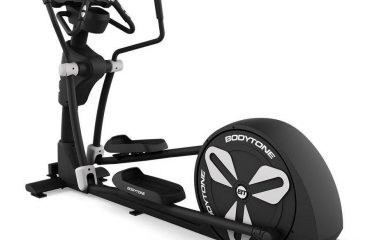
Every family behaves differently. Treadmills concentrate the risk in the belt, deck and motor compartment, where dust and tension are the two variables that matter. Cross trainers and bikes fail at bearings and fixings long before anything electronic gives up. Build the routine around the family, not around a single generic checklist.
The key idea
Ten minutes on a regular schedule beats one large intervention that comes too late. The cost difference between a tensioning adjustment and a replacement running deck is not marginal, and neither is the revenue lost while the most popular machine in the room is out of service.
On the management side
Keep a short list of consumables and common spare parts, and put a clear internal reporting procedure in place. That is what prevents ghost machines sitting out of service for weeks because nobody knew whose job it was to report them. Assign the checks to a named person, log them, and review the log monthly.
Specification matters too. Equipment built for continuous commercial use, meeting EN ISO 20957-1 class S, tolerates the duty cycle a busy floor imposes. Our range of professional cardio machines is selected on that basis, and spare parts availability is part of the selection, not an afterthought.
Frequently asked questions
How often should cardio equipment be checked?
Frequency follows running hours rather than the calendar. A machine used twelve hours a day needs attention far more often than one used two.
Can our own staff carry out these checks?
Cleaning, visual and audible inspection and tightening checks, yes. Work inside the motor compartment and any electrical intervention should follow the manufacturer instructions and the rules applicable in your country.
What should we keep in stock?
The consumables specific to your fleet. Tell us which machines you run and we will list the parts worth holding.
Plan the fleet, not just the repair
A maintenance routine keeps the equipment you have. Choosing equipment that is serviceable in the first place is what keeps it for a decade. If you are renewing or extending your cardio equipment, tell us your opening hours and peak attendance and we will specify a fleet sized for it. Request a quote.
À lire aussi sur le même thème
- Outdoor fitness equipment: material choice and whole life cost
- Hyrox 2026: Preparing for Your First Race
- Class S vs Class H Gym Equipment: Real Lifespan and Cost (Why "Semi-Pro" Does Not Exist)
- Rameur Xebex Air Rower 3.0 Smart Connect VS Rameur RowErg Tall Concept2 (PM5)
- Which Supplier Can Plan My Gym Zones and Supply the Equipment?