Mastering the Cross Trainer: Get More from Every Cardio Session
Sur elliptique, la posture correcte maintient le buste droit, le regard à l'horizontale et le pied complet en appui sur la pédale. S'appuyer sur les poignées fixes fausse la dépense réelle et dégrade la posture. La progression porte d'abord sur la durée, puis sur la résistance.
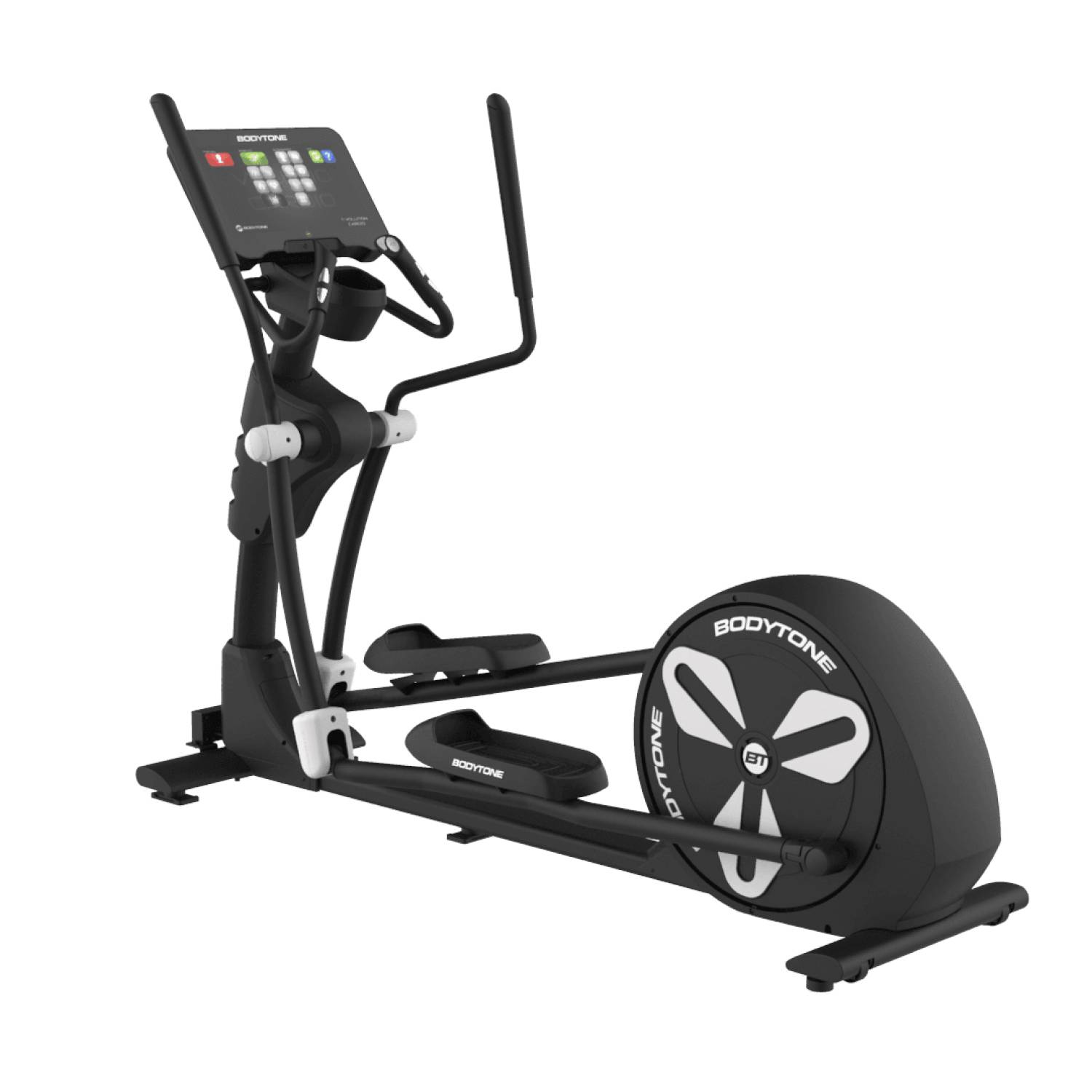
The cross trainer occupies a strange position in most cardio zones. It is one of the most used machines on the floor, and one of the most poorly used. Members climb on, lean their body weight through the handles, set a resistance they barely feel and spend twenty minutes watching a screen. The machine deserves better, and so do the results.
Used properly, the cross trainer is one of the most complete cardio machines available: low impact on the joints, upper and lower body working together, and a resistance range that supports everything from a recovery session to a hard interval workout. This guide covers how to get that out of it, and what an operator should look at when buying one.
Why the cross trainer earns its place
Two things set it apart from a treadmill or an exercise bike. The first is the impact: the feet never leave the pedals, so the joints are loaded smoothly rather than repeatedly shocked. That makes it the natural choice for members returning from injury, for older members and for anyone carrying extra weight who cannot yet run.
The second is the movement pattern. Because the handles move with the pedals, the upper body contributes rather than resting. A properly executed session recruits the legs, the glutes, the trunk and the arms, which raises the total energy demand compared with a machine that only works the legs.
Get the posture right
Posture is what separates an effective session from twenty wasted minutes.
- Stand tall. Keep the spine in a neutral position, the chest open and the abdominals gently braced. Imagine a line running up through the top of the head, lengthening you upwards.
- Look ahead, not down. Dropping the head rounds the upper back and shortens the stride.
- Do not hang on the handles. Supporting your body weight through the arms removes load from the legs and defeats the purpose of the machine. The hands guide and push and pull; they do not carry.
- Keep the whole foot on the pedal. Pushing only through the toes causes numbness in the forefoot over a long session.
- Let the hips stay under the shoulders. Leaning forward from the waist, which is what happens when someone reads a phone on the console, loads the lower back and shortens the movement.
Resistance and intensity
Start at a low resistance and build. The right level is one where you can maintain good form and a steady cadence for the planned duration, while breathing hard enough that a full conversation would be difficult.
Increase the resistance when the current setting stops being demanding, not on a schedule. Everybody progresses at a different rate, and the machine console does not know how your week has gone. Listen to what the session actually feels like rather than to the number on the display.
One point specific to this machine: raising the resistance is not the only way to make it harder. Increasing the cadence, increasing the incline on machines that offer one, or pushing harder through the arms all change the demand in different ways.
Making the session work harder
Most professional machines carry preset programmes that vary resistance and duration automatically. They are a straightforward way to add structure without planning anything, and they stop a session settling into a comfortable, unchanging effort.
Interval training is the most efficient upgrade available. Alternating short, hard efforts with active recovery periods raises the training stimulus considerably within the same total time. On a cross trainer it is particularly safe to do, because the low-impact movement means a hard interval does not punish the joints.
Beyond that, vary what you ask of the machine across the week: a long steady session, a shorter interval session, a session focused on cadence, a session focused on resistance. Alternating endurance, strength, speed and resistance work prevents the plateau that comes from repeating the same twenty minutes indefinitely.
Staying with it
Cardio sessions fail more often through boredom than through difficulty. Music, a podcast or a series makes the time pass, and there is no virtue in suffering through silence. Some members combine the machine with light accessories between intervals, using resistance bands or light dumbbells during the recovery periods.
For an operator, this is worth designing for: the position of screens, the availability of sockets and the layout of the cardio zone all influence how long members stay on the machines.
Tracking progress
Set realistic, progressive goals. Nobody transforms their conditioning in a week, and targets that ignore that fact are abandoned by the second one. Small, achievable increments hold up much better.
Then record what you do. Calories, distance, time and average resistance are all available on any professional console, and a connected watch, an app or a simple notebook is enough to keep the history. Progress you can see is the most reliable motivation there is.
What operators should look for in a cross trainer
- Certification. Indoor equipment for a supervised commercial facility must meet EN ISO 20957-1 class S.
- Stride length. The single most important comfort factor, and the one most often overlooked. A stride that suits a tall member will feel wrong to a short one, so check the range against your actual membership.
- Flywheel and drive position. Front-drive and rear-drive machines feel different. Neither is universally better, but the footprint and the movement path differ, so try before committing to a large order.
- Console and connectivity. Members increasingly expect their session data to sync. Check what the console supports before installation rather than afterwards.
- Serviceability. Bearings, pedals and consoles are the parts that wear. Confirm parts availability and service arrangements.
Our professional cross trainers are built for continuous commercial use, and the Lexco cross trainer range covers a spread of specifications. The wider professional cardio range lets you balance the cardio zone across treadmills, bikes, rowers and cross trainers rather than over-buying one family.
Frequently asked questions
Is a cross trainer better than a treadmill?
Neither is better in general; they do different jobs. The cross trainer is gentler on the joints and involves the upper body. The treadmill trains a natural gait pattern and loads the skeleton, which has its own benefits. A well-planned cardio zone carries both.
How long should a session last?
That depends on the goal and the intensity. A steady session and an interval session of very different lengths can produce a comparable stimulus. Consistency across the week matters more than the duration of any single session.
Does it help with weight loss?
It raises energy expenditure and, because it involves the whole body, it does so efficiently. As with any machine, the outcome depends on the overall programme and on diet, not on the equipment alone.
How many cross trainers does a cardio zone need?
It depends on your membership and your peak hour. The usual approach is to balance the cardio families against observed use rather than buying a fixed ratio, and to review after a few months of real data.
Planning your cardio zone with Light In Fitness
Light In Fitness has supplied professional cardio equipment to gyms, clubs, hotels, local authorities and sports facilities since 2013. Tell us about your space, your membership and your peak attendance, and we will propose a cardio zone that matches. Request a quote and our team will come back to you.