Cardiorespiratory and Muscular Fitness and Quality of Life

Fitness levels in adolescence are a useful marker of lifestyle, and there is growing evidence that they carry through into how young people rate their own well-being. A cross-sectional study conducted on Portuguese adolescents examined how cardiorespiratory fitness and muscular fitness relate, separately and together, to health-related quality of life (HRQoL). For operators running school, club, municipal or rehabilitation facilities, the findings have a direct bearing on how a training floor should be equipped.
Background and objective
The physical fitness level of adolescents is an important indicator of their lifestyle and appears to have positive consequences for health-related quality of life. The purpose of the study was to analyse the combined associations of cardiorespiratory fitness and muscular fitness with HRQoL, and to assess the differences in HRQoL scores between cardiorespiratory fitness and muscular fitness groups in Portuguese adolescents.
Study design
The work was a cross-sectional analysis of 567 Portuguese adolescents aged 12 to 18 years.
Methods
HRQoL was measured with the Kidscreen-10 questionnaire. Cardiorespiratory capacity was estimated with the 20 m shuttle run test. Muscular fitness was assessed with the handgrip and standing long jump tests, and a muscular fitness index was calculated from standardised measures of both tests.
Socio-economic status was assessed with the family affluence scale. Body composition (body mass and height) was measured using standard protocols. Accelerometers were used to obtain objective physical activity time. Pubertal stage was assessed using Tanner stages. Adherence to the Mediterranean diet was assessed with the KIDMED index. Participants were divided into four groups according to low or high values of cardiorespiratory and muscular fitness. Regression analysis, mediation analysis and ANCOVA were performed.
Results
HRQoL was positively associated with cardiorespiratory fitness (B = 0.112; p < 0.05) and with the muscular fitness score (B = 0.328; p < 0.05), after controlling for potential confounders. However, when both fitness variables were entered in the same model, only cardiorespiratory fitness remained significantly associated with HRQoL (B = 0.093; p < 0.05).
Cardiorespiratory fitness acted as a full mediator of the relationship between muscular fitness and HRQoL in adolescents (p < 0.05). ANCOVA showed that adolescents with high cardiorespiratory fitness and high muscular fitness had better HRQoL scores than those with low muscular fitness and low cardiorespiratory fitness, and than those with low muscular fitness and high cardiorespiratory fitness (p < 0.05).
Conclusions
In adolescents, the combination of good cardiorespiratory fitness and good muscular fitness was positively associated with better health-related quality of life.
What this means for facility equipment planning
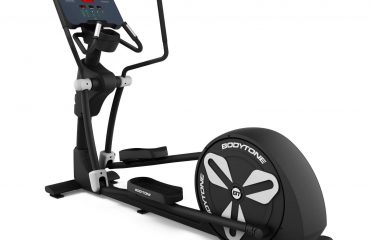
The mediation result is the practical takeaway: muscular fitness matters, but its association with quality of life passes through cardiorespiratory fitness. A youth or community training floor that is built around strength stations alone is missing the pathway that carries the effect. A balanced configuration pairs strength work with a genuine aerobic offer, which in practice means enough professional cardio equipment for the group sizes you actually run, not a token corner. Treadmills, cross trainers, rowers and indoor cycling bikes each suit a different session format, and the mix should follow the programme rather than the other way round.
Frequently asked questions
Does this study show that strength training does not matter?
No. Muscular fitness was positively associated with HRQoL on its own. The mediation analysis indicates that the association operates through cardiorespiratory fitness, not that muscular fitness is irrelevant.
Can the findings be generalised beyond Portugal?
The sample was Portuguese adolescents aged 12 to 18. As with any cross-sectional analysis, the design shows association rather than causation, and extension to other populations should be treated with caution.
What equipment supports both fitness components?
A supervised floor that combines selectorised strength stations with aerobic machines covers both. Equipment used in a multi-user supervised setting should be specified to EN ISO 20957-1 class S.
Equipping a youth or community training floor
If you are designing a facility for adolescents, students or a community programme, the equipment mix should reflect both fitness components rather than one of them. Send us the floor plan and the group profile and we will build a configuration around them. Request a quote.