Spinning and Indoor Cycling: Equipping and Running the Studio
Un vélo de spinning professionnel se distingue par sa transmission renforcée et sa conception prévue pour des cours collectifs enchaînés. Le freinage magnétique supprime l'usure des patins et le bruit de frottement. La masse du volant d'inertie et la qualité des roulements conditionnent la fluidité du pédalage.
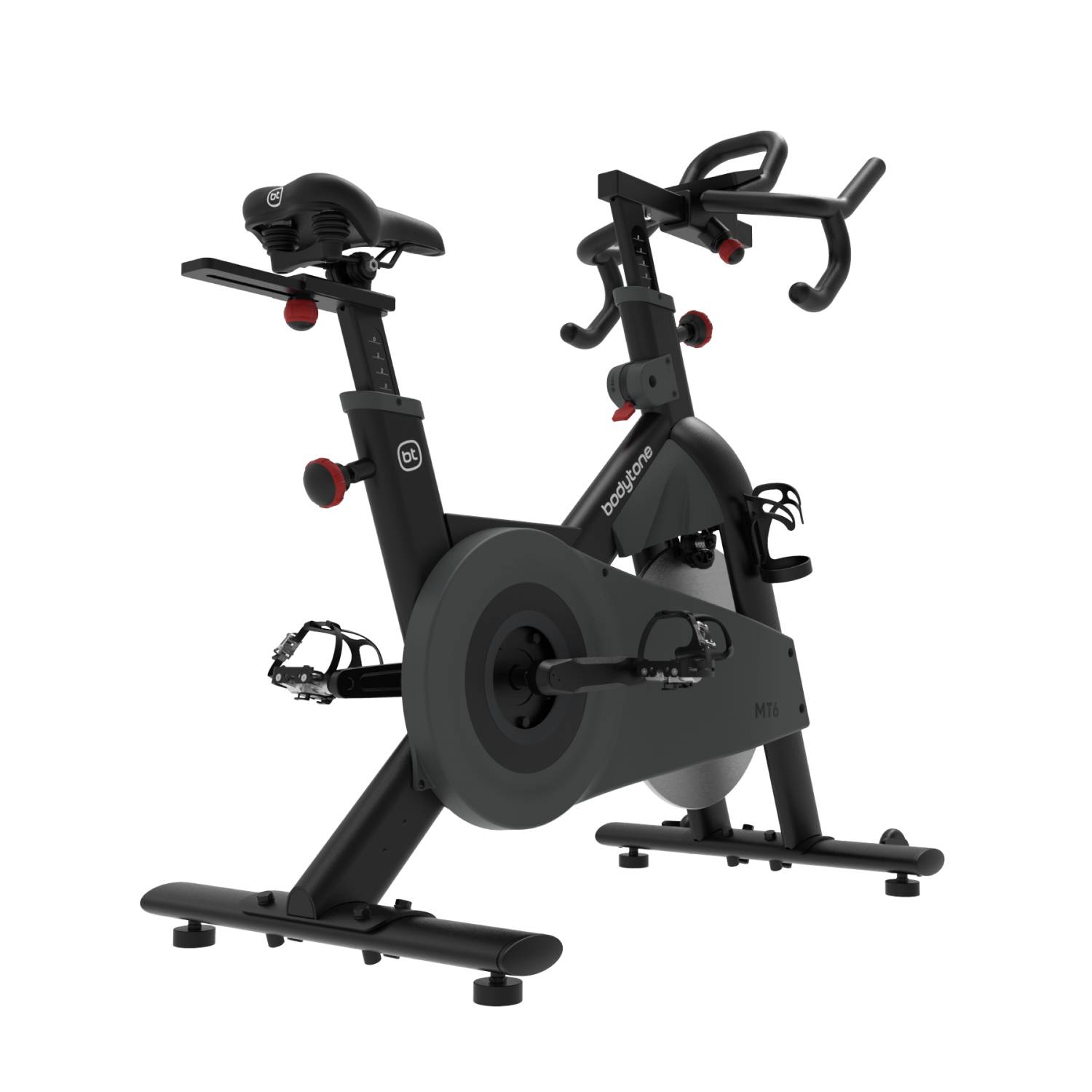
Spinning and indoor cycling fill more timetable hours per square metre than any other studio format, but only if the room is equipped and run correctly. A professional indoor cycling bike is built around a reinforced drivetrain and magnetic braking; a professional indoor cycling room is built around fleet consistency, ventilation and a maintenance routine. This guide covers the room rather than the bike.
Why the format earns its room
Indoor cycling delivers cardiovascular work at an intensity each rider controls, with no landing impact at any point. That means one class can hold a deconditioned member, a runner in recovery and a competitive cyclist at the same time, each working at their own level, without the instructor having to split the group. Members who cannot run, cannot jump or are training around a joint restriction can all attend, which is why the format retains members who would otherwise leave.
The stroke trains quadriceps, hamstrings, glutes and calves, with the trunk stabilising throughout and particularly out of the saddle. It is a lower-body and cardiovascular class; presenting it as full-body training sets expectations the format does not meet.
Sizing and equipping the fleet
- One model throughout. A mixed fleet makes it impossible for an instructor to call a resistance level that means the same thing on every bike, and it doubles the spare-parts inventory. Buy the room in one order where you can.
- Build standard. For indoor commercial use, specify equipment built to EN ISO 20957-1 class S.
- Magnetic braking. Friction pads wear unevenly and become audible over class music within months. In a room running a full timetable, magnetic braking pays for itself in consumables alone.
- Adjustment and markings. Four-way adjustable saddle and handlebar with clear numbered markings, so a rider sets their position in ten seconds at the start of class rather than two minutes into it.
- Spare capacity. Plan one or two bikes above your maximum class size. A bike out of service should never mean turning a booked member away.
The room itself
Layout and sightlines
Every rider has to see the instructor without turning the trunk. Arrange the bikes in staggered rows rather than a grid, and leave enough lateral clearance for a member to dismount without touching the next bike. Riders out of the saddle need more space than a static footprint suggests.
Ventilation
This is the specification most often underestimated. A room of thirty riders at threshold generates heat and humidity that a general studio ventilation system will not clear. Insufficient air handling shows up first as class dropout in the last ten minutes and later as corrosion on the bikes themselves.
Flooring
Rubber flooring under the bikes protects the subfloor, absorbs the noise transmitted through the frames and, most importantly, is cleanable. Sweat that soaks into an uncleanable surface is a hygiene issue and a smell your members will comment on before they mention it to you.
Maintenance that keeps a fleet alive
Sweat is the real enemy in a cycling room, not mileage. Bikes should be wiped down after every class, not at the end of the day, and the frame joints and the area around the bottom bracket need attention as much as the handlebar does. Beyond daily cleaning, build a weekly check of pedal tightness, saddle and handlebar clamps and belt tension into your operating routine, and keep pedals, saddles, bearings and belts in stock rather than ordering them when a bike is already out of service.
Delivering classes safely
The single highest-value intervention is a bike setup on a member first visit. Saddle height, fore-aft position and handlebar height set correctly on day one prevent most of the knee and lower-back complaints that come out of cycling rooms, and a badly positioned saddle is the most common reason a first-time rider never returns. Instructors should also be explicit that riders control their own resistance, so newcomers do not chase a cadence that is not theirs.
Frequently asked questions
How many bikes should an indoor cycling room hold?
Enough for your target class size plus one or two spares, within a layout that keeps sightlines and lateral clearance intact. Filling a room to capacity at the expense of clearance costs more in member experience than the extra places earn.
Is indoor cycling suitable for beginners?
Yes, because the rider sets the resistance. What beginners need is a correct setup on arrival and an instructor who says out loud that the resistance is theirs to choose.
Does indoor cycling train the upper body?
No. It is a lower-body and cardiovascular format. Upper-body work belongs on the strength floor.
Browse the professional indoor cycling bikes and the wider cardio equipment range, or request a quote to equip a complete studio.