Hyrox vs Cross-Training: The Shared Equipment and What Sets Them Apart
HYROX standardise une course mondiale, le cross-training standardise une méthode d'entraînement : les équipements se recoupent, les contraintes d'espace non. Rameur, ski erg, sled, wall balls et kettlebells sont communs aux deux. HYROX impose en plus un couloir de sled rectiligne et des stations reproduisant le format de compétition.
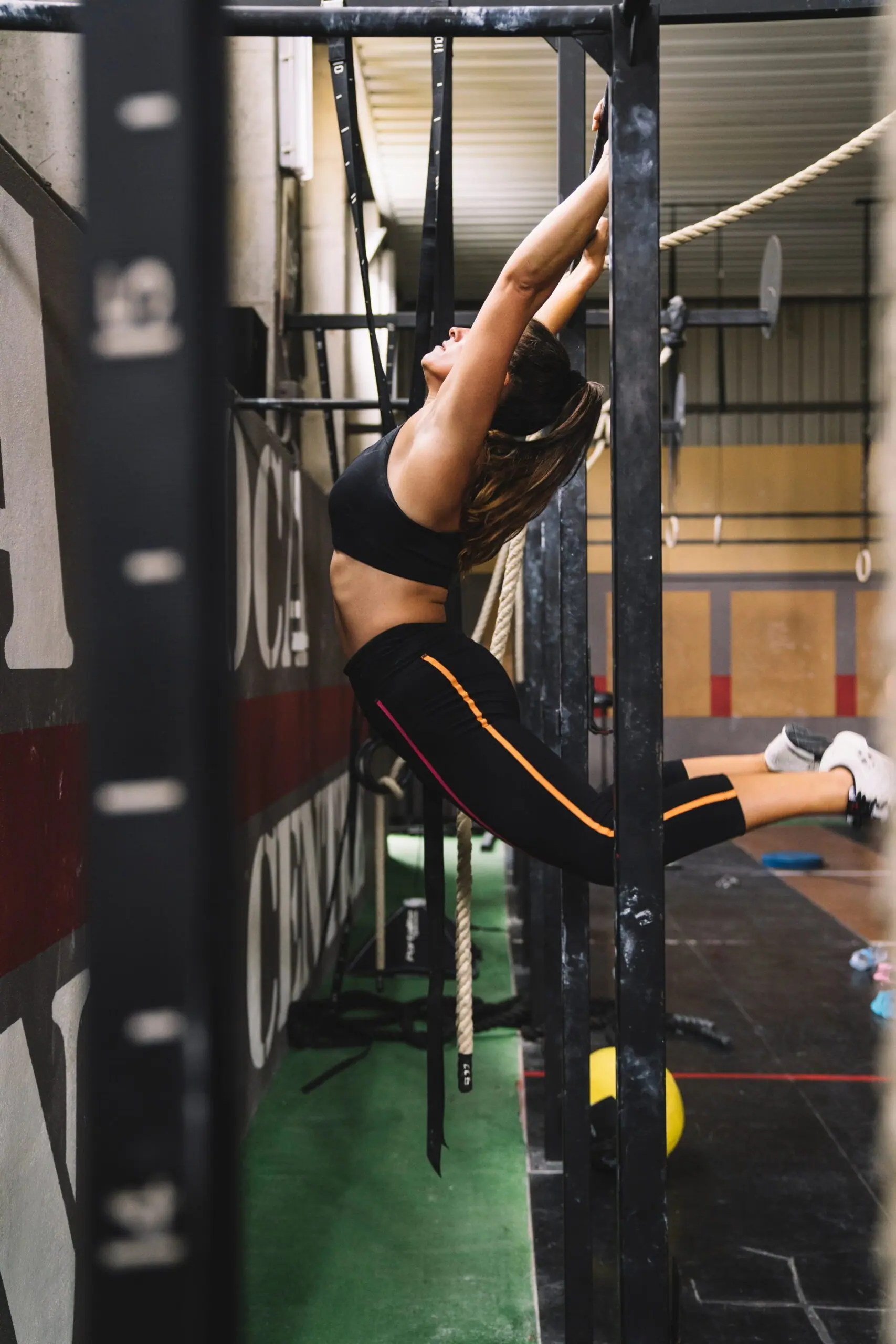
On social media it all looks the same: rower, sled, wall balls, sweat, a coach shouting, a clock. And yet Hyrox and cross-training are not telling the same story. One standardises a race held around the world, the other standardises a training method. That distinction changes everything, right down to the equipment list.
The shared base: what works for both
Start here, because this is where most of the budget goes and where nothing is wasted whichever direction the club takes.
- Ergometers: rowing machine and ski ergometer.
- Sled push and sled pull.
- Loaded carries: farmer walk handles and sandbags.
- Medicine balls and wall balls.
- A robust, shock-absorbing floor.
Every one of those items serves a Hyrox style session and a cross-training class without modification. Build this base first and add the specialist items later, once real demand tells you which way the members are going.
Where the two diverge
| Hyrox | Cross-training | |
|---|---|---|
| Logic | A codified, repeatable, measurable format | Variety, technical movement, gymnastics and weightlifting |
| What the equipment must do | Reproduce the same stations the same way, every time | Support a different session every day |
| Buying priority | Ergonomics of the stations, clean transitions, standardisable kit | Rig and cage, multiple workstations, pulling options, varied accessories |
| Layout priority | Flow and repeatability of a full run | Number of simultaneous workstations |
What this changes for a club
A hybrid space can be genuinely profitable: keep a standardised base for the race format and a varied base for cross-training, without buying the equipment twice. The most efficient strategy is a solid common core of ergs, sled, carries, wall balls and flooring, then specific options added according to real demand rather than to a wish list.
That phasing matters commercially. The common core fills classes from day one. The specialist additions are then paid for by the members who asked for them.
The real crux: the floor
The floor, the circulation and the robustness of the equipment are what decide whether the space survives. In these formats the kit is used fast, hard and often. The floor governs grip, comfort, impact management, noise and the overall life of the room. Under a sled lane and a wall ball zone, a standard fitness tile is not enough: specify thickness and density for the load that will actually land there, and take the substrate into account. Browse the rubber gym flooring tiles range for the formats specified for this duty.
Station by station
Rower or ski ergometer?
They are complementary. The rower covers a very versatile full body effort; the ski ergometer adds an efficient vertical cardio pattern that loads the trunk and the pulling chain, and it diversifies tests and circuits. Most sites end up with both, in a ratio set by class size. See the professional rowing machines range.
Which sled?
The right choice depends on the floor, on the available lane length and on the number of passes per session: stability, resistance, simplicity of use and maintenance. A sled that needs adjusting between users slows a class down more than any other station.
Carries: sandbags and farmer walks
The objective is progressive loads that keep a session flowing, so that a class never stops while somebody changes plates. Plan a spread of loads that serves beginners and experienced members in the same rotation, and store them where they are picked up, not across the room.
Wall balls
Wall balls are simple until the area becomes a collision zone. Plan the balls to match the use, a dedicated area, a clear circulation route and a surface that takes the impact. Get the zone wrong and you will hear about it from both the members and the neighbours.
Layout: the mistake to avoid
The classic trap is putting the high traffic stations, the ergs, the sled and the wall balls, in zones whose routes cross each other. A good layout separates the flows and creates readable working lines, so that a group of twenty rotates without a bottleneck. Draw the circulation before choosing the equipment, not after.
Frequently asked questions
Which difference actually affects the equipment choice? Hyrox is codified, repeatable and measurable; cross-training rests on variety and can include more technical movements. The base kit looks similar, but the buying priorities and the layout change.
What is the indispensable common core? Ergometers, sled push and pull, loaded carries, wall balls, and above all a robust shock-absorbing floor.
What makes the difference if I lean towards cross-training? More versatility: a rig or cage, multiple workstations, pulling and pull-up options, and a wider accessory range.
And if I lean towards the race format? The details that make the format repeatable: station ergonomics, smooth circulation, clean transitions and equipment that can be standardised.
How do I build a profitable hybrid space without buying twice? Keep one solid common core and add specific options in phases, according to demand you can actually measure.
Why is the floor the decisive item? Because in these formats the equipment is used fast, hard and often, and the floor determines grip, comfort, impact, noise and how long the room lasts.
Specifying your space
Send us your surface area, the use, whether that is a club, a box, a hotel or a corporate site, your objectives and your budget, and we will propose a coherent configuration covering equipment, options and logistics. Request a quote and we will phase it with you.