How to Choose a Weight Bench That Matches Your Objectives
Le format du banc découle de l'objectif : un banc plat suffit au travail de force, un banc inclinable ouvre les angles de développé, un banc multiposition couvre l'ensemble. La charge maximale admissible doit dépasser la charge de travail prévue, barre comprise. En salle, la fréquentation impose en plus une sellerie haute densité.
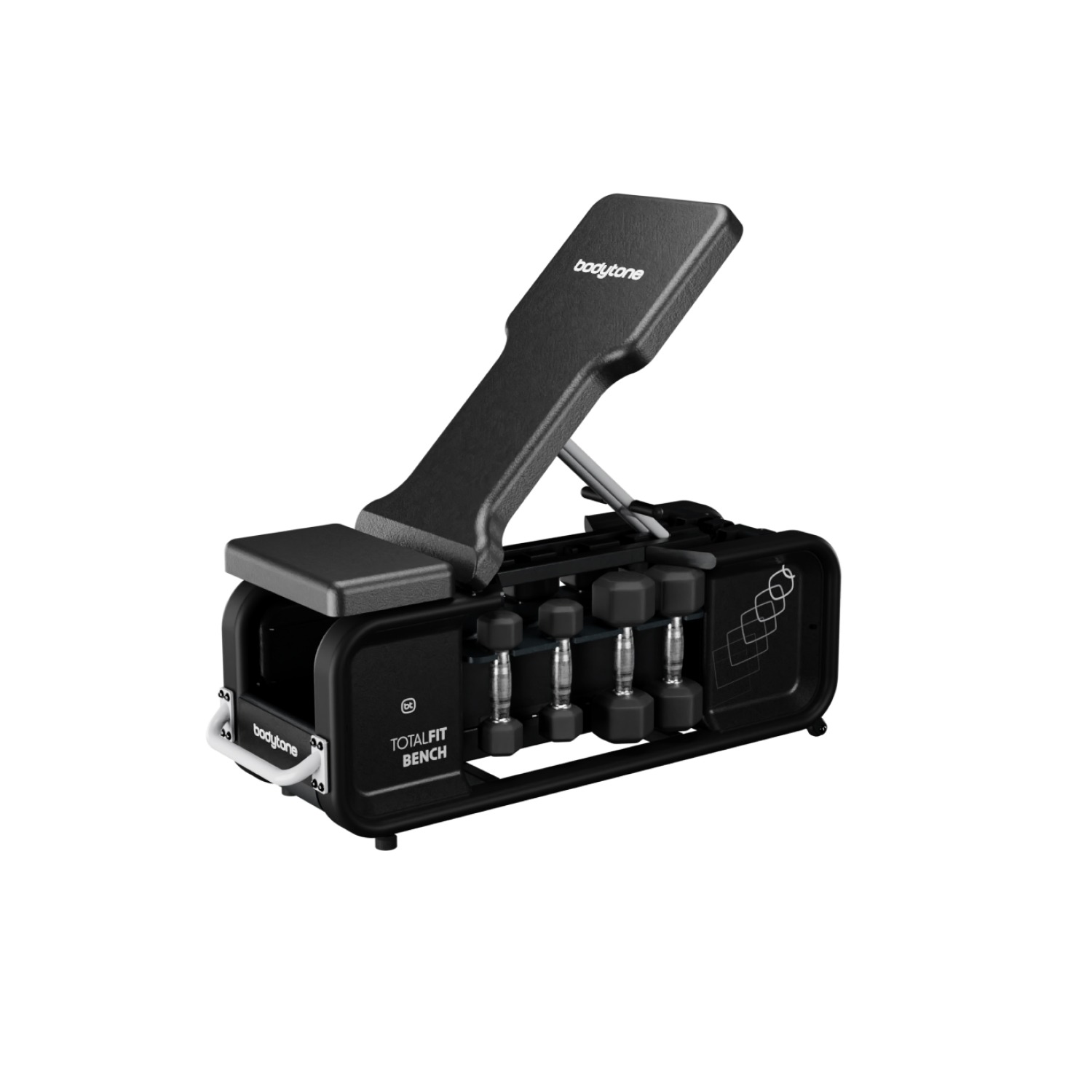
The bench format follows the objective: a flat bench is enough for pure strength work, an adjustable bench opens up the pressing angles, and a multi-position bench covers both. The maximum rated load must exceed the intended working load, bar included. In a commercial facility, footfall additionally demands high-density upholstery.
Choosing benches that match your objectives is a decisive step in equipping a training floor properly. Given the range of products on the market, several factors have to be weighed to make a choice that genuinely fits the facility rather than the catalogue photograph. This guide works through them.
1. Define what the bench has to do
Before buying, define the objective the bench serves:
- Is the priority building muscle mass?
- Is it conditioning specific areas such as the abdominals, biceps, chest or glutes?
- What is the level of the people who will use it, beginners or regular trainers?
Those answers determine the type of bench required and the exercises it will support. In a supervised facility the answer is usually mixed, which is an argument for adjustability rather than for buying two separate populations of bench.
2. The main bench types
Several formats exist, each suited to different practice:
- Incline and decline benches. Ideal for varied work such as the bench press, rowing movements and extensions. Their adjustable positions allow different muscle groups to be targeted from different angles.
- Adjustable benches. Genuinely multi-purpose, they allow the incline to be changed across a wide range and support the largest number of pressing, rowing and supported movements. They are the default choice on most commercial floors.
- Folding benches. Suited to constrained spaces, they store easily while retaining useful versatility. In a facility, their real value is in halls that are reconfigured between class formats.
One clarification worth making: a bench is not a rack. Squats and pull-ups require a squat rack or a rig with the appropriate catches and bar heights, and no bench replaces that. Benches and racks are complementary purchases, not alternatives.
3. Materials and structural strength
Structural strength is not a detail. A bench has to carry:
- The user’s bodyweight
- The maximum load intended to be lifted
Favour robust materials such as steel, which is what delivers durability under repeated use. Check the quality of the padding as well, since comfort matters during supported and core work as much as during pressing.
For a supervised commercial facility, specify to EN ISO 20957-1 class S, the class intended for professional and commercial operation. The rated maximum load should exceed the heaviest intended working load including the bar, with margin rather than exactly.
4. Complementary equipment
For complete strength work, consider a bench used alongside:
- Adjustable dumbbells
- Resistance bands
- Cable attachments
Multi-function stations can add further capability, such as pull-up bars or an integrated press, though these are separate items of equipment with their own footprint and their own load ratings.
5. Supporting the users
Where a facility serves beginners, the bench should come with clear guidance: a straightforward setup reference and a list of exercises suited to newcomers. In a supervised environment this is normally delivered by coaching, but visible, unambiguous adjustment mechanisms remove a great deal of friction from an induction session.
6. Muscle group coverage
Choose benches that let users work a range of muscle groups:
- Quadriceps
- Back
- Triceps
- Glutes
- Abdominals
Being able to address both the upper and lower body matters for results and for preventing muscular imbalance across a membership.
7. Comfort and ergonomics
Never treat comfort as secondary. A bench has to suit the morphology of its users, particularly around:
- The torso
- The joints
Adjustable handles and ergonomic padding make a real difference across a session. Equally, make sure the bench:
- Is straightforward to use
- Allows every exercise to be performed safely
In a commercial setting, add one more criterion: adjustment must be quick. A bench whose backrest takes thirty seconds to reposition will be left at one angle for the whole day.
Turning this into an order
On most floors the answer is a majority of adjustable weight benches with a smaller number of flat benches for heavy pressing. Those benches then need squat racks and power racks alongside them for the barbell work a bench cannot support on its own, and a full range of professional dumbbells to make the bench useful for more than one person at a time.
Frequently asked questions
How many benches does a gym need?
Count how many people press simultaneously at your busiest hour rather than working from total membership. Bench queues are one of the most visible sources of member frustration.
Flat or adjustable?
A flat bench is enough for pure strength work, an adjustable bench opens up the pressing angles, and a multi-position bench covers both. Most commercial floors run a mix weighted towards adjustable.
What load rating should I specify?
The rated maximum must exceed the heaviest intended working load, bar included, with margin. Ask the supplier for the rating of the specific model rather than assuming it from the frame.
Does upholstery really matter?
In a commercial facility, yes. High-density upholstery resists compression under continuous use and stays serviceable far longer than a softer foam.
Specifying your benches
Choosing well means weighing the objective, the level of the users, the exercises intended, and the strength and comfort of the equipment. Do that and you will select benches that make sessions both more effective and more pleasant, whether you are equipping a compact studio or a full commercial floor.
Light In Fitness has equipped professional training facilities since 2013. Send us your floor plan and your peak occupancy and we will come back with a bench and rack configuration and a costed proposal. Request a quote to get started.