Training Routines and Equipment: A Guide for Facility Operators
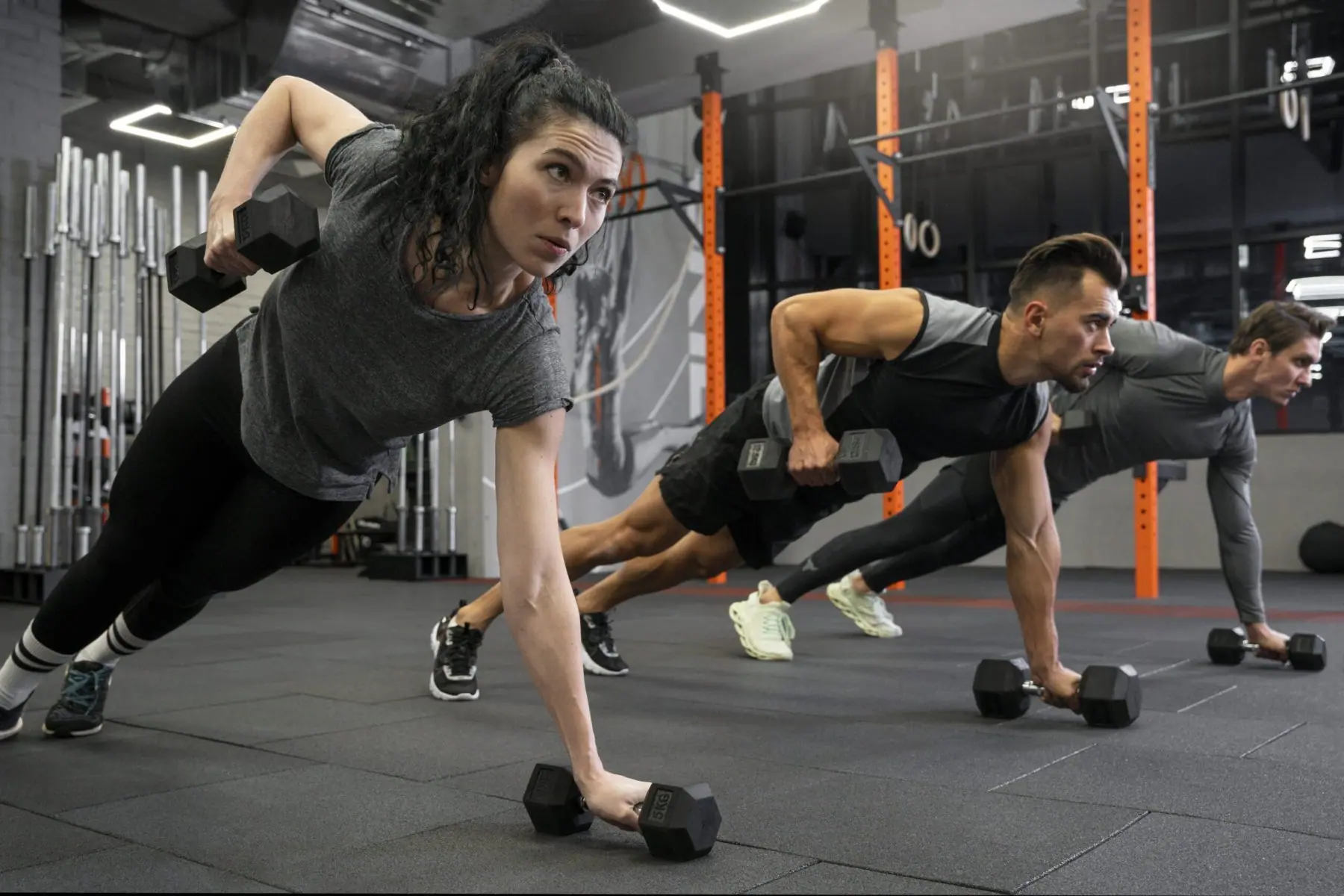
In short: a balanced training routine mixes cardiovascular work, strength training and mobility. For an operator, the practical question is not which exercise is best but which equipment lets members train each of those three areas safely, at their own intensity, without queuing. This guide maps intensity bands to equipment families.
The three pillars of a balanced routine
Whatever the profile of your members, a routine that holds up over years rests on three components.
- Aerobic work. Running, swimming, cycling and rowing train the heart and the lungs. This is the entry point for most new members and the single most used part of any commercial floor.
- Strength training. Essential for bone density and functional strength, and the component that keeps members progressing once the initial cardio gains flatten out.
- Flexibility and balance. Mobility work, yoga and Pilates, which prevent the injuries that cause members to stop coming.
Public health guidance commonly sets a floor of 150 minutes of moderate activity per week. That figure is a minimum for general health, not a training target: members doing high-intensity sessions or two sessions a day sit well above it, and at that point the equipment becomes the limiting factor rather than the programme.
Matching intensity to equipment
| Intensity | Typical activities | Equipment family |
|---|---|---|
| Moderate | Brisk walking, light cycling | Professional treadmills, upright and recumbent bikes |
| Vigorous | Sprints, HIIT, cross-training | Multifunction cross-training cages, air cardio |
| Maximal strength | Powerlifting, heavy strength work | Leg presses, racks and free-weight stations |
The mistake operators make is buying depth in one band and nothing in the others. A floor with eight cardio machines and one strength station serves a narrow slice of members; so does a box with a full rig and no low-impact option for older or deconditioned users.
What equipment actually has to deliver
Biomechanics
A machine that fights the natural path of the joint transfers load where it is not wanted. Guided trajectories, adjustable seats and pads, and a start position that can be set for a short and a tall user are what make vigorous work repeatable rather than risky.
Build for continuous use
Commercial frequency is not domestic frequency multiplied by a factor. Frames, bearings, belts and upholstery on a supervised commercial floor face traffic all day. Indoor equipment for that use is specified to EN ISO 20957-1 class S, the professional usage class, and that is what should appear in your tender documents.
Range across the whole routine
One supplier covering cardio, strength and functional training keeps your spare parts, your service contract and your induction documentation consistent. Split the floor across four suppliers and the maintenance calendar becomes the problem.
Building the floor around your members
Light In Fitness has equipped professional sites since 2013 and specifies each of the three bands separately. Cardio starts with the professional treadmill range; high-intensity work is built around cross-training and Hyrox cages; the strength band is anchored by stations such as the Gold Line 45 degree leg press.
The right mix depends on your surface area, your opening hours and who walks through the door. A hotel gym, a municipal facility, a school, a club, a rehabilitation centre and an armed forces site all need the three pillars, in very different proportions.
Frequently asked questions
Is training every day a problem?
Not if the intensity varies. Alternating hard and easy sessions, on equipment that is correctly adjusted, is what allows daily training without accumulating overload.
Which exercise should come last in a session?
Isolation and mobility work generally belong at the end, once the compound movements that need the most coordination have been done.
How much cardio equipment does a floor need?
It follows peak-hour attendance rather than total membership. Count the busiest hour, not the database, and lay the floor out from there.
What usage class should I specify indoors?
EN ISO 20957-1 class S, the professional class for supervised commercial use. Ask for the declaration at the quotation stage.
Specifying your equipment
Tell us the surface area available, your opening hours and the profile of your users, and we will come back with a balanced specification across cardio, strength and functional training, with a costed proposal: request a quote.