EN 1177, EN 14904 and EN 14877: which sports floor standard applies?
User safety, whether it concerns children on a playground or athletes in an indoor or outdoor facility, has become the first criterion in any surfacing decision. Between injury prevention, compliance with European standards, material durability and technical performance, the people who make the decision, local authorities, architects, manufacturers and facility managers, need precise normative references. EN 1177, EN 14904 and EN 14877 are the three that come up most often, and they are regularly confused with one another. This article sets out what each one actually covers.
EN 1177: impact attenuation of playground surfacing
EN 1177 deals specifically with the surfacing used under and around play equipment. It sets out how the impact attenuation of a surface is determined, so that the risk of injury from a fall can be limited. Impact absorption is the property it measures, and the result is expressed in relation to the free height of fall of the equipment above it.
It is important to keep two references apart here, because tenders often merge them. EN 1176-1 covers the play equipment itself; EN 1177 covers the impact attenuating surface underneath it. A compliant playground needs both, and a certificate for one says nothing about the other.
The surfaces covered by EN 1177 include:
- impact attenuating rubber tiles;
- artificial turf;
- poured polyurethane resin surfaces.
These materials offer the elasticity and absorption needed to protect users, children in particular, while meeting European safety requirements. Our range of playground surfacing is specified on this basis.
Note that the French source of this article cites the standard as EN 1177:2018 with an A1:2024 amendment. Always check the edition in force at the date of your tender with your certification body, since surfacing standards are amended periodically.
EN 14904: surfaces for indoor sports halls
EN 14904 applies to indoor sports floors, and its purpose is to confirm that a floor is fit for a range of physical activities such as:
- basketball;
- volleyball;
- handball;
- and other team sports.
It brings together the criteria that decide both performance and safety, in particular:
- resistance to wear;
- the dynamic elasticity of the floor;
- vertical deformation under load and movement.
The materials it covers include linoleum, sports PVC, rubber tiles and the synthetic surfaces used in sports halls and multi-sport courts. The objective is shock absorption, sound energy return and durability under the intensive use a sports complex imposes.
EN 14877: synthetic surfaces for outdoor sports areas
EN 14877 is the specification for synthetic surfaces used in outdoor sports areas, which is where athletics tracks and outdoor multi-sport courts sit. It is the outdoor counterpart to EN 14904 rather than a standard about how a floor is fixed down, and it addresses the performance a surface has to deliver in the open air, including behaviour in wet conditions and resistance to weathering and wear.
This is the point where specifications most often go wrong. A surface certified to EN 14904 has been assessed for an indoor hall; a surface certified to EN 14877 has been assessed for an outdoor area. Neither certificate transfers to the other environment. See our outdoor sports flooring for surfaces specified for outdoor use.
The differences at a glance
The main differences lie in the scope of each standard and in what it evaluates:
| Standard | Scope | Main objective | Surfaces covered |
|---|---|---|---|
| EN 1177 | Playgrounds | Safety and impact attenuation | Rubber tiles, artificial turf, polyurethane resin |
| EN 14904 | Indoor sports halls | Performance, elasticity, wear resistance | Linoleum, PVC, rubber, synthetic floors |
| EN 14877 | Outdoor sports areas | Performance and durability outdoors | Synthetic surfaces, athletics tracks, outdoor courts |
In short: EN 1177 is about protecting children on playgrounds, while EN 14904 and EN 14877 are about the fitness for purpose, durability and mechanical performance of sports surfaces, indoors and outdoors respectively.
Applying this to a real specification
When choosing a surface for a playground or a sports area, the first question is which standard applies to the use, not which product is available.
- For football and rugby pitches and athletics tracks, the surface has to offer high resistance to wear, safety in the event of a fall, straightforward maintenance and a finish suited to its surroundings.
- For sports halls and multi-sport rooms, the floor has to combine flexibility and cushioning for joint comfort, controlled grip for athletic performance, and durability to withstand intensive daily use.
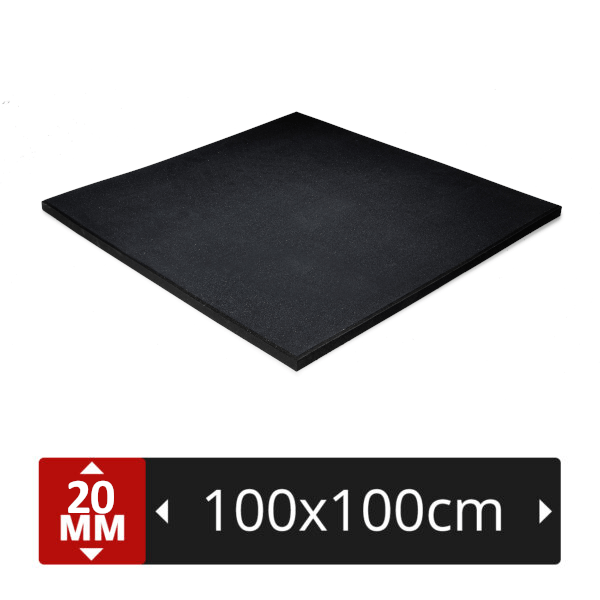
- For strength and fitness areas, high-density rubber gym flooring tiles are preferred for their acoustic absorption, mechanical resistance and ease of maintenance.
One further point that saves money: a single facility often needs more than one specification. A sports hall with a fitness area and an outdoor play area is three different surfacing decisions, and treating them as one is how projects end up over-specified in one zone and non-compliant in another.
Frequently asked questions
Does an EN 1177 certificate make a playground compliant?
No. It covers the surfacing. The equipment is assessed against EN 1176-1. Both are needed, and the free height of fall of the equipment is what determines the performance the surface has to achieve.
Can an indoor floor be used outdoors if it meets EN 14904?
No. EN 14904 assesses a floor for indoor use. Outdoor synthetic surfaces are covered by EN 14877, which addresses the very different conditions outside.
Which standard applies to a gym floor?
A strength or fitness area is not a sports hall in the EN 14904 sense, and the selection there is usually driven by impact absorption, acoustic performance and mechanical resistance rather than by ball behaviour or sliding characteristics. Ask your supplier for the test reports that correspond to the actual use.
Who is responsible for compliance?
The operator of the facility. That is why documentation matters as much as the product: keep the test reports and declarations of performance for the surfaces installed, in the edition in force at the time of installation.
Conclusion
EN 1177, EN 14904 and EN 14877 form the essential base for the safety, performance and durability of surfaces in playgrounds and sports facilities. Applying them properly reduces injury risk, improves comfort and athletic performance, and keeps public and private facilities compliant.
If you are specifying a surface and want the right standard, the right product and the supporting documentation in one place, send us the use and the dimensions. Request a quote and we will come back with a costed proposal and the technical file that goes with it.
Réalisations documentées
- Dalles et sols sportifs : livraisons documentées – plusieurs chantiers
- Sol sportif extérieur, square Georges-Vallerey – Taverny (95)
Sources et références
- Décret n° 96-1136 du 18 décembre 1996 – prescriptions de sécurité relatives aux aires collectives de jeux (Légifrance)
- NF EN 1176-1 – Équipements et sols d’aires de jeux, partie 1 : exigences de sécurité et méthodes d’essai générales (AFNOR)
- NF EN 1177 – revêtements de surface amortissants : détermination de la hauteur de chute critique (AFNOR)