Gym Floor Thickness: Should You Choose 20, 25 or 40 mm for Heavy Weightlifting Drops?
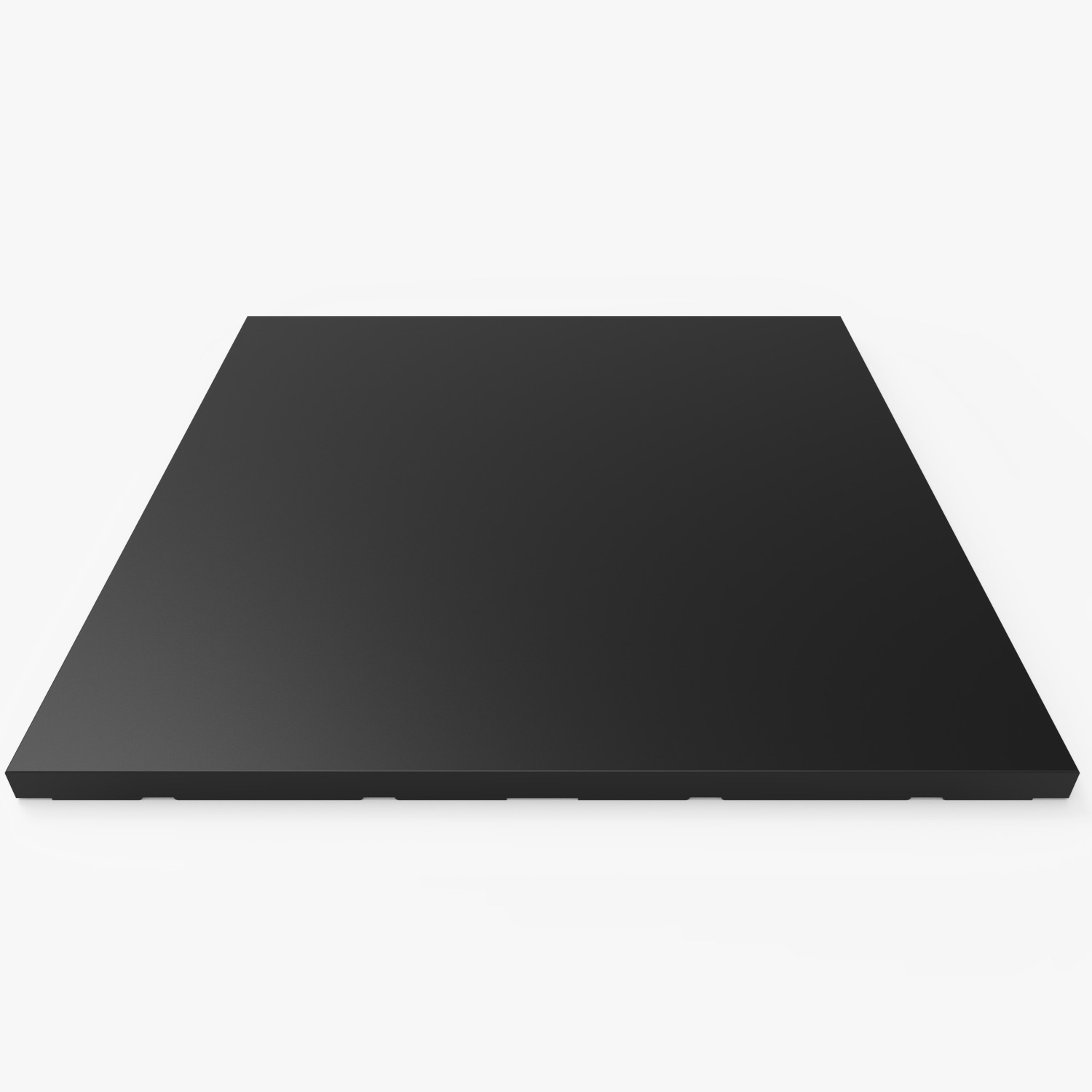
Rubber floor thickness is one of the few decisions in a gym fit-out that is genuinely hard to reverse. Once the tiles are laid, the racks are bolted down and the platforms are in place, going from 20 mm to 40 mm means emptying the room. Yet thickness is often decided at the very end of a project, on price alone, without anyone asking the only question that matters: how heavy are the bars that will hit this floor, and how often?
The answer depends far less on the size of your facility than on the intensity of what happens inside it. A hotel gym where dumbbells are set down under control and a competition-oriented weightlifting club dropping loaded bars from overhead are not asking the same thing of the same product. Below is how the three standard thicknesses behave in service, based on feedback gathered from operating gyms, and what each one actually protects.
20 mm tiles: controlled training and moderate loads
The 20 mm tile is the workhorse of general fitness areas. It suits:
- controlled sets with few or no bar releases;
- dumbbells and barbells up to roughly 120 kg;
- fitness zones, conditioning areas and mixed-use spaces where clean drops are rare.
What operators report:
- 78 % of gyms consider 20 mm sufficient for moderate loads, controlled bar returns and technical work without violent drops.
- 72 % see good protection of the sub-floor for dumbbells and barbells that are set down rather than released.
- 65 % nevertheless acknowledge that 20 mm reaches its limit as soon as heavy, repeated drops above 120 to 140 kg become frequent.
The practical conclusion: 20 mm is a strong choice for fitness, conditioning and mixed zones with moderate loads, and a poor choice for a genuine weightlifting area with repeated drops. Specifying it for a drop zone to save on the initial quote almost always means paying twice, because the tiles are replaced long before the end of their nominal service life.
25 mm tiles: the core choice for intensive facilities
25 mm is where most serious commercial projects land. It is designed for:
- CrossFit boxes and heavy strength training;
- moderate to frequent bar releases;
- deadlifts, power cleans and snatches performed as part of regular programming.
What operators report:
- 86 % of intensive-use facilities consider 25 mm the minimum credible thickness for regular drops of 100 to 180 kg, workouts with released bars, and club-level weightlifting.
- 83 % record a clear reduction in noise and vibration compared with 20 mm.
- 81 % observe better longevity of the supporting slab, screed or sports timber over 12 to 24 months.
- 74 % rate joint comfort as higher, with less impact travelling back up into ankles and knees.
In short, 25 mm is the right specification for a serious strength facility or a box that programmes weightlifting regularly. It is the recommended standard for frequent drops, without moving into the heaviest category. Many operators use it as the base thickness across the whole training floor, then upgrade only the dedicated pulling and dropping zones. Our rubber gym flooring tiles range covers this configuration in a single, consistent finish.
40 mm tiles: heavy drops and dedicated weightlifting zones
The 40 mm tile is not a comfort upgrade. It is an answer to a specific mechanical problem: repeated impact energy that thinner tiles pass straight through to the structure. It is intended for:
- heavy weightlifting and powerlifting;
- frequent and sometimes very heavy releases;
- dedicated deadlift and drop areas.
What operators report:
- 91 % of heavy-use and weightlifting facilities regard 40 mm as the real safety standard for repeated drops above 180 kg and for bars released from hip height or above.
- 89 % confirm near-total protection of the sub-floor, with no cracking or spalling observed even after 12 to 24 months under heavy load.
- 88 % note a major reduction in noise and vibration, particularly on upper floors or in shared buildings.
- 84 % find that bars and plates wear more slowly, because impacts are absorbed by the floor rather than by the equipment.
That last point is the one most often left out of the budget comparison. The difference in cost between 25 mm and 40 mm on a limited drop zone is usually smaller than the cost of replacing a set of bumper plates and a bar earlier than planned. For a purpose-built lifting area, 40 mm tiles or dedicated powerlifting platforms are the sensible baseline.
Thickness by training intensity
Moderate use: fitness and controlled loads
- 20 mm is sufficient in around 80 % of cases.
- 25 mm adds comfort and a safety margin.
- 40 mm is over-specified, unless the room is planned to be upgraded later.
Intensive use: heavy strength training and CrossFit
- 25 mm is recommended for around 85 % of boxes and gyms.
- 20 mm is too light once drops are frequent.
- 40 mm is excellent for specific zones such as lifting platforms.
Extreme use: heavy weightlifting and powerlifting
- 40 mm is recommended for around 90 % of serious weightlifting areas.
- 25 mm is acceptable but less protective over the very long term.
- 20 mm is not advised for repeated heavy drops.
What thickness protects, beyond the floor itself
A gym floor has three jobs, and they are not equally visible. The first is protecting the structure underneath: the slab, the screed or the sports timber. The second is protecting the equipment, since every joule absorbed by rubber is a joule that does not travel through a bar or a plate. The third, which decides more lease renewals than any other, is keeping impact noise and structure-borne vibration inside your own four walls.
That third job is why the same programme can call for different thicknesses in different buildings. A ground-floor unit on a slab and a first-floor unit above offices are not exposed to the same complaints, even with identical training. Where the facility sits above occupied space, thickness alone rarely solves everything, and an acoustic underlay laid beneath the tiles is worth costing in from the start rather than retrofitting after the first dispute.
Frequently asked questions
Can I mix thicknesses in the same room?
Yes, and it is the most common approach in intensive facilities: a base thickness across the training floor, with the drop zone upgraded. The only point to settle at design stage is the junction between the two levels, so that the transition is flush and does not create a trip hazard.
Is 20 mm ever enough for a CrossFit box?
For the conditioning and bodyweight areas, generally yes. For the barbell area, the reported experience is consistent: 20 mm becomes marginal as soon as repeated drops above 120 to 140 kg are part of normal programming.
Does a thicker tile mean a less stable surface?
Thicker tiles are denser and heavier, and they are laid over the same prepared sub-floor. Stability comes from the flatness of that sub-floor and from the quality of the laying, not from reducing thickness.
Which thickness should I choose if my programming is going to change?
Specify for the heaviest use you expect within the life of the fit-out, not for today. Re-laying a floor costs far more than the difference between two thicknesses at the time of the original order.
Getting the thickness right before you order
The right specification comes from three pieces of information: the heaviest load that will be dropped, how often it will be dropped, and what is directly underneath the room. With those three answers, the choice between 20, 25 and 40 mm is straightforward, and it can be made zone by zone rather than for the whole surface at once.
Send us your floor plan, your intended zoning and the loads you expect to handle. We will come back with a thickness recommendation per zone, the corresponding weightlifting rubber tiles and a full quotation. Request a quote and we will size the floor around the training you actually programme.
Réalisations documentées
- Dalles et sols sportifs : livraisons documentées – plusieurs chantiers
- Sol sportif extérieur, square Georges-Vallerey – Taverny (95)