Aqua Fitness: A Complete Guide to Safe and Effective Sessions
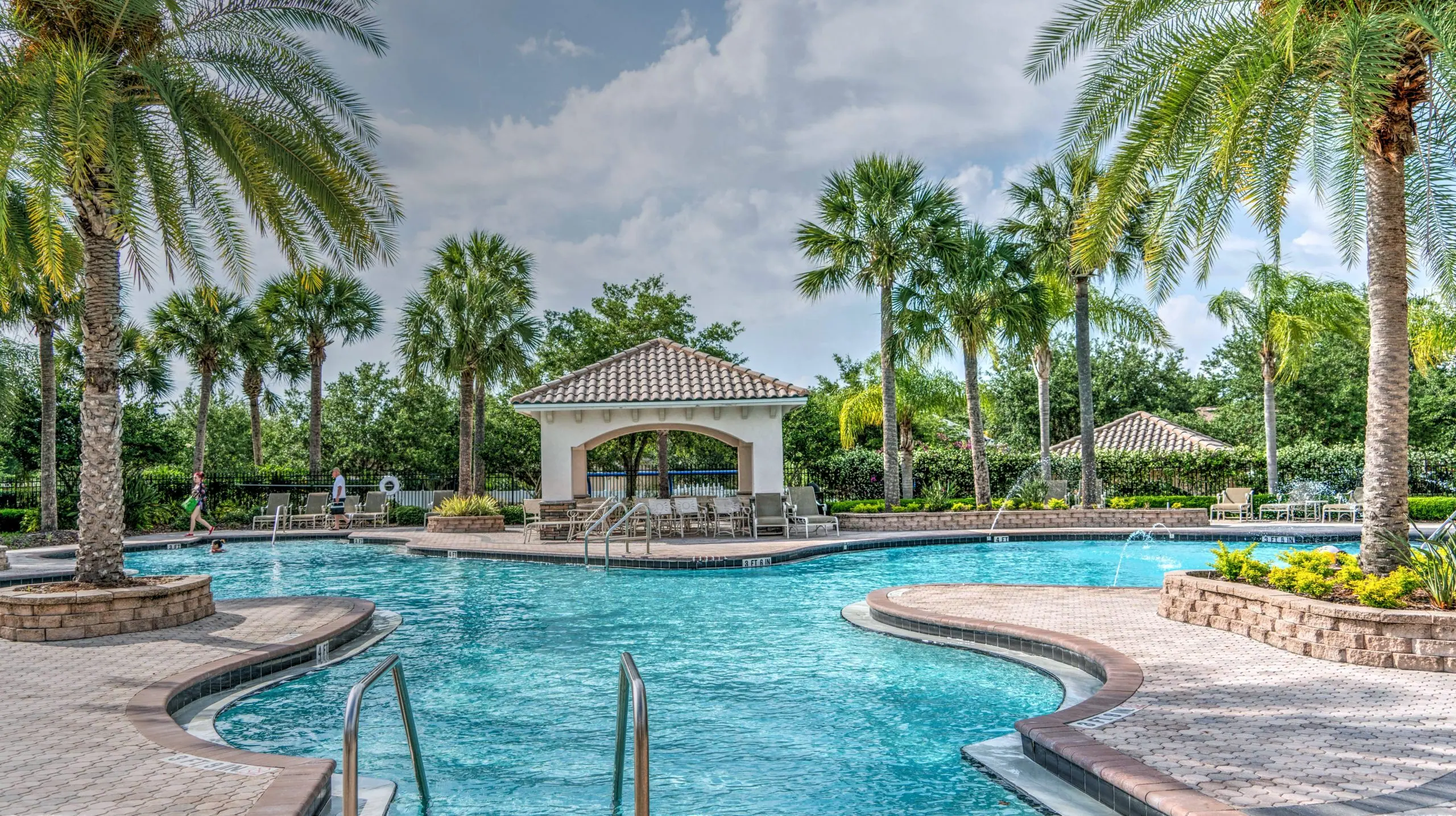
Aqua fitness has quietly become one of the most profitable programmes a pool can run. It fills off-peak lanes, it reaches an audience that will not set foot in a weights room, and it needs very little floor space. But a class that works is not simply a land session moved into the water: it needs the right equipment, a properly qualified instructor and a clear set of safety rules. This guide walks through what operators need to put in place to run aqua fitness effectively and safely.
Aqua fitness as both leisure and therapy
Water does two useful things at once. It takes weight off the joints, and it resists every movement in every direction. That combination is why the same session format serves two very different commercial audiences.
On the leisure side, an aqua fitness class is sociable, low-intimidation and easy to sell. Warm water, music, movements that feel lighter than they are: participants who would never book a strength class will book this one, and they come back. For a hotel, a campsite or a municipal pool, that is a programme that fills the timetable outside school swimming hours.
On the therapeutic side, the same buoyancy that makes the class enjoyable makes it usable in rehabilitation. Reduced joint loading allows mobility work that would be painful on land, which is why aquatic sessions feature in the programmes of rehabilitation centres, care homes and health clubs with a medical referral pathway. The equipment is largely the same; the supervision and the progression are not.
Most operators end up running both. The distinction matters when specifying the pool schedule and the instructor qualifications, not when buying the hardware.
Essential equipment for aqua fitness
A class can technically be run with nothing at all, but the programme that keeps members enrolled is the one with progression built into it, and progression in water comes from equipment.
The basic kit is resistance-based: aquatic dumbbells, kickboards and flotation belts. These are inexpensive, stack easily and let one instructor vary intensity across a mixed-ability group within the same session. Aquatic footwear matters more than operators expect, both for grip on wet surrounds and for foot protection on textured pool floors.
Beyond the basic kit sits the equipment that turns a class into a bookable, chargeable format. Aqua bikes are the clearest example: a machine such as the Aquabike WR MAX supports a structured cycling session in the shallow end, with the cardiovascular load of a bike and none of the impact. A floating mat opens a second format entirely, adding balance and core work that no land equivalent reproduces.
Whatever the format, the material specification is what determines whether the equipment survives. Chlorinated and saline water is aggressive; frames need to be specified for permanent immersion, and the full range of aquatic fitness equipment is built accordingly. Buying land equipment and hoping it copes with poolside humidity is the single most common and most expensive mistake in this category.
Supervision: the part that is not optional
The instructor is not there to demonstrate. In water, the instructor is the only person who can see whether a movement is being performed correctly, because the participant cannot see their own body and the water hides compensations that would be obvious on land.
Three things belong in every operator’s supervision policy. The instructor must hold a recognised aquatic fitness qualification for the format being taught, not a general fitness qualification. Supervision from the poolside, rather than from in the water, gives a far better view of the group and is the norm for larger classes. And lifeguard cover must be defined separately from the instructor role: an instructor teaching a class is not simultaneously supervising the pool.
Group size follows from that, and it follows from the pool, not from a national rule of thumb: usable shallow-water area, sightlines and the ability profile of the group all set the ceiling. Fix that number in writing before the first class, and review it when the format changes.
Safety precautions to build into the programme
Aqua fitness is a low-risk activity that becomes higher-risk when three things are skipped.
- Medical clearance. Participants with cardiac, respiratory or post-operative conditions should have clearance from their own doctor before joining. Operators do not assess this; they ask for it and record it.
- Controlled movement. Movements are performed at a controlled tempo. Explosive movement against water resistance produces no more benefit and considerably more strain, particularly on shoulders.
- Hydration. Participants sweat in water and do not notice it. Drinking water should be available at the poolside and the instructor should build breaks into the session.
Two operator-side items complete the list: a water temperature appropriate to the format, since a therapeutic session and a high-intensity aqua bike session do not want the same water, and non-slip surfacing on the surround. Pool surrounds are where the injuries actually happen, which is why the pool surfacing specification belongs in the same project as the equipment.
Programme formats by user group
The same pool and largely the same equipment support four distinct formats, and separating them in the timetable is what lets an operator fill it.
- Performance aqua fitness. Higher intensity, interval-based, usually built around aqua bikes. The format that attracts participants who already train on land.
- Rehabilitation and mobility. Slow, controlled, individually progressed. Delivered by or alongside a qualified professional, typically with a medical referral behind it.
- Older adults. Gentle work aimed at maintaining mobility, balance and confidence. Reliable, loyal attendance, and the easiest format to fill in mid-morning slots.
- Postnatal. Low-impact reconditioning with particular attention to the pelvic floor, always after medical clearance.
Running all four from one equipment inventory is realistic. Running all four with one instructor and one qualification is not.
Frequently asked questions
Do we need a dedicated pool for aqua fitness?
No. Most formats run in the shallow end of an existing pool. What matters is usable shallow-water area, access for participants with reduced mobility, and enough poolside storage for the equipment between sessions.
How much storage does the equipment need?
Small kit stacks and racks against a wall. Aqua bikes need to be moved in and out or parked at one end of the pool, so the storage route, and whether it is step-free, is worth checking before ordering.
Can aqua fitness equipment stay in the water permanently?
Only if it is specified for it. Equipment intended for permanent immersion uses corrosion-resistant frames and sealed components; general fitness equipment does not, and will fail. Check the specification against the water treatment used in your pool, chlorine and salt being quite different environments.
Is aqua fitness suitable for non-swimmers?
Yes, in shallow water where participants stand throughout, with flotation equipment where needed. Confidence in the water, not swimming ability, is the practical requirement.
Specifying your aqua fitness programme
Light In Fitness has supplied professional fitness equipment since 2013 to hotels, campsites, municipal pools, rehabilitation centres and health clubs. Tell us the pool dimensions, the water treatment, the formats you want to run and the group sizes you expect, and we will come back with a matched equipment list and a layout that works with your storage. Request a quote for your facility.