Which Barbell Should You Use for the Deadlift?
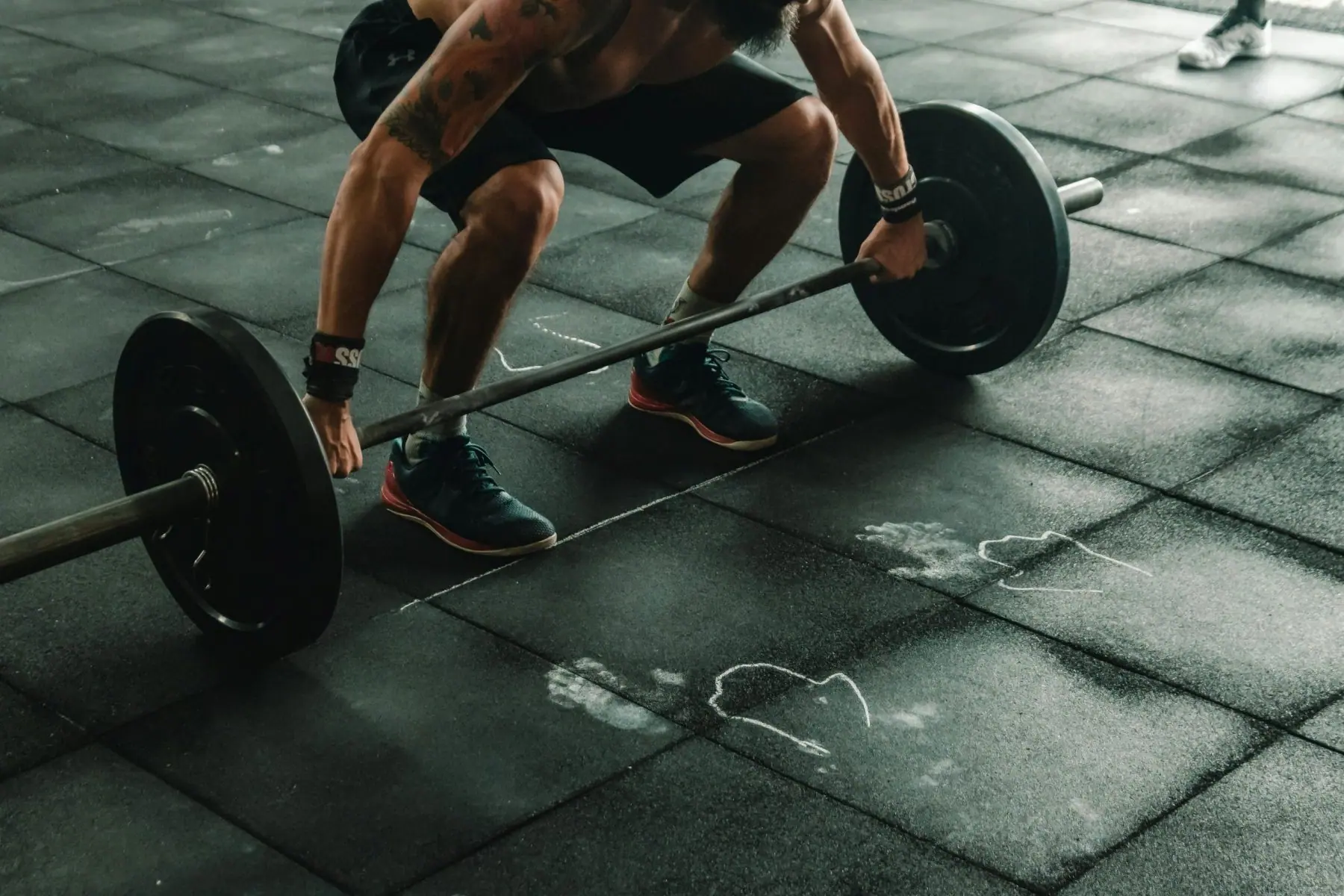
Choosing a bar for the deadlift looks like a detail until you are the one specifying the free weight area of a gym, a cross-training box or a rehabilitation centre. The bar is the interface between the load and the lifter, and the choice affects who can train the movement safely, how many people can be served at once, and how long the equipment lasts. Whether your members are beginners or experienced lifters, the bar has to match what they actually do.
The olympic bar: the default choice
The standard bar for the deadlift is the olympic barbell, typically 20 kg and 2.20 m long. It is designed to carry heavy loads, and those dimensions suit most exercises, the deadlift included. A good knurl keeps the grip secure through the pull, and the robust construction lets heavy loads be lifted without putting the joints at unnecessary risk.
The other argument for the olympic bar in a commercial setting is versatility. The same bar serves the squat, the bench press and the row, which means one purchase covers most of the free weight programme instead of sitting idle between deadlift sessions. See the range of olympic barbells, and the coloured olympic barbells where colour coding by weight helps a busy floor.
The hex or trap bar
The hexagonal bar, also called a trap bar, is the main alternative. The lifter stands inside the frame rather than behind the bar, and that single geometric change moves the load line closer to the body. The result is better alignment of the knees and back and a lower demand on the spine, along with a start position that is more comfortable for the feet and the lower back.
It also shifts the emphasis: the thighs and glutes work harder than in a conventional pull. For a facility, that makes the hex bar the right tool for two populations in particular. Beginners learn a hinge pattern with less technical risk, and members with a history of back injury can train the movement at all. If your floor serves a general membership rather than competitive lifters, a hex bar next to the olympic bars widens the audience of the deadlift considerably.
Grip and stance
Grip width and stance are part of the specification conversation because they determine the space each lifting position needs. A wider grip loads the upper back and shoulders more heavily; a narrower grip changes the leverage and the length of the pull. Bars with a knurled grip zone, and lifters using a mixed or alternating grip, gain security on heavy attempts. What matters for the operator is that the layout allows each of these positions without a lifter colliding with the next station.
What goes under the bar
A deadlift area is not just a bar. The floor takes the load every time a set is finished, and a standard covering will not survive it. Specify weightlifting rubber tiles or a powerlifting platform for the zone, and plan the bar storage at the same time so bars are not left on the floor between sets.
Technique and warm-up
Whatever bar is chosen, technique decides the outcome. A proper warm-up before a complex movement like the deadlift is not optional: the lower back, the hips and the calves should be warmed thoroughly before the first working set. Appropriate mobility work and a strong braced trunk help maintain posture through the lift. Every repetition should be controlled, with a flat back and the abdominals engaged to protect the spine. In an unsupervised facility, that message belongs in the induction and on the signage next to the platform.
Frequently asked questions
What does a standard olympic bar weigh?
Typically 20 kg, at 2.20 m long. That is the reference the rest of the free weight area is built around.
Olympic bar or hex bar for a commercial gym?
Both, if the floor allows. The olympic bar covers the widest range of exercises; the hex bar makes the deadlift accessible to beginners and to members who cannot train the conventional pull.
How many bars does a free weight area need?
It depends on the number of racks and platforms and on peak attendance. We size it from the floor plan rather than from a rule of thumb.
Does the deadlift area need a dedicated floor?
Yes. A conventional gym covering will not take repeated dropped loads. Specify the flooring for that zone with the bars.
Specifying your lifting area
Bars, racks, platforms and flooring are one specification, not four purchases. Send us your floor plan and the profile of your members, and we will come back with a bar and platform list and a price. Start with a request a quote.