Where to Buy Strength Training Equipment
If you are looking to equip a training facility with strength equipment, there are several routes to buying quality machines – and they are not equivalent. The right one depends on how many hours a day the equipment will run, who will be using it and who carries the liability if something fails. This guide sets out the options a professional buyer actually has, and what to check before committing.
What a fully equipped strength floor contains
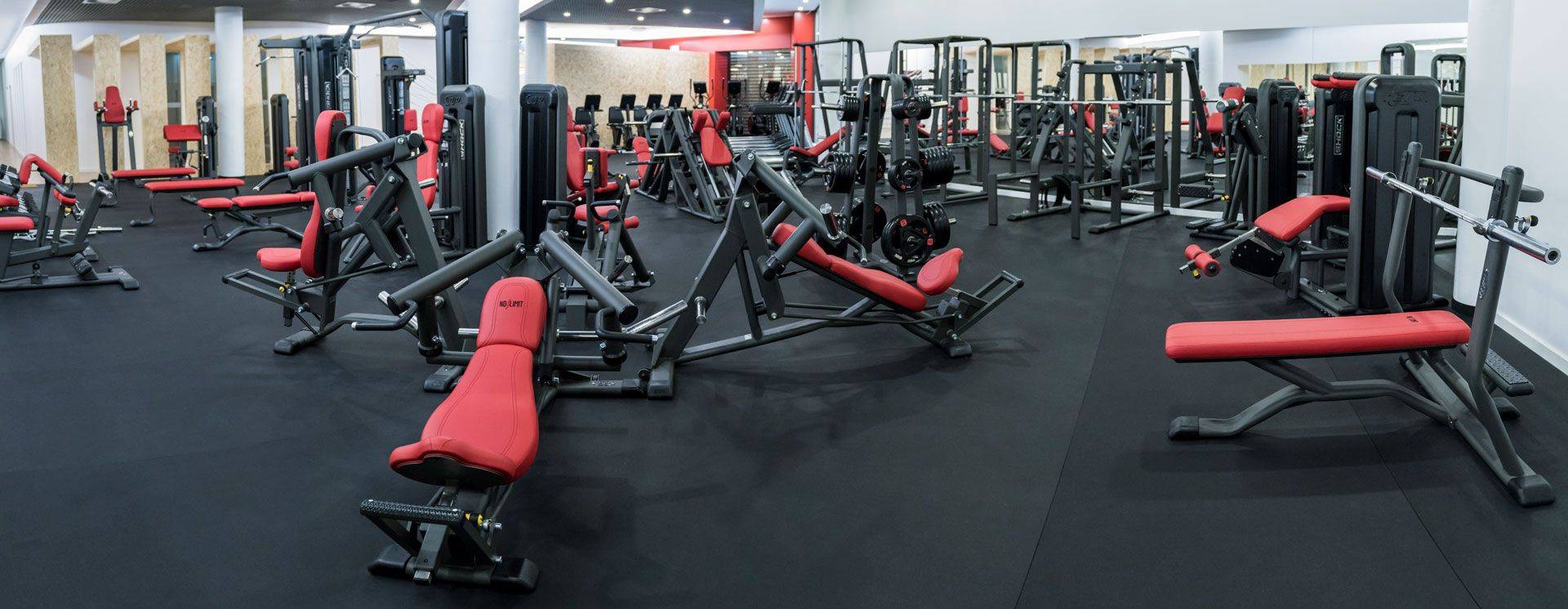
A gym specialising in strength training generally offers high quality equipment: dumbbells, weight benches, selectorised machines and multi station units. Alongside these, most facilities also run cardio equipment – treadmills, rowing machines, cross trainers and stair climbers – so that members can add endurance work to their strength sessions.
That combination is the reference point when you specify your own floor. Visiting well equipped facilities is genuinely useful before buying: it shows how machines are spaced, which units are busy at peak hours and which sit unused, and it is the cheapest research a buyer can do.
Buying from a specialist supplier
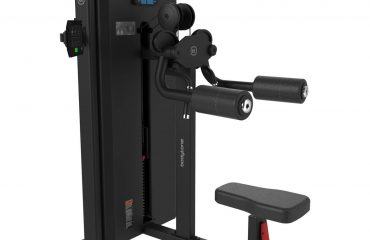
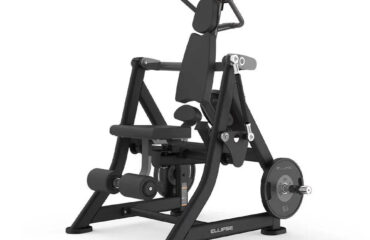
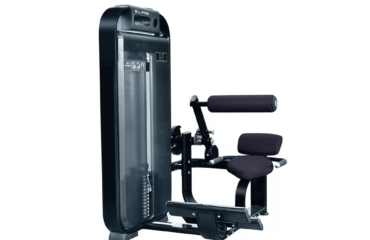
Specialist suppliers offer the widest range: from dumbbells and benches through to complete strength lines and dedicated machines for each muscle group. You will also find training accessories such as resistance bands, handles and skipping ropes, which let you vary programming and work the muscles more thoroughly without adding large machines.
This is the route most professional buyers take, because a specialist supplier does more than sell a machine. It advises on layout, delivers and installs, and stands behind the warranty. Brands such as Light In Fitness, Lexco, Xebex, Bodytone and Ziva offer high quality strength equipment with advanced features and proven durability – the deciding factor when a machine has to survive continuous use rather than a few sessions a week.
Our own ranges are set out under professional strength training machines, with dedicated sections for selectorised machines and plate loaded machines.
Buying used equipment
There are also online platforms where used strength equipment changes hands. This can be an interesting option on a limited budget, since good quality equipment can be found at accessible prices.
Be careful to check the condition of the equipment before buying, and to find out what warranties and sales conditions the seller offers. For a facility open to the public this matters more than for an individual: cables, bearings, upholstery and weight stacks wear, spare parts availability depends on the manufacturer still supporting the model, and a machine without a traceable history is difficult to maintain. Used equipment tends to work best for secondary areas rather than for the machines that carry your peak-hour traffic.
Buying from a sports retail chain
Some retail chains specialising in sport and sports equipment also carry strength equipment. Visiting a physical store lets you test different machines and get advice in person, and these chains generally stock training accessories – resistance bands, bodyweight aids, massage devices – that complement a strength programme.
The limitation is the intended duty cycle. Retail ranges are built for occasional individual use, not for a floor running from morning to night, so they rarely suit a club, hotel or municipal facility. Use them to try out ergonomics and to top up accessories, and source the machines themselves from a professional supplier.
What to check before you commit
Whichever route you take, find out about the build quality and the features of the equipment, and choose what best fits your objectives and your budget. For a professional buyer, three questions decide most purchases: how many hours a day the machine will be in service, whether spare parts and servicing are available locally, and what the warranty actually covers once the equipment is installed.
Accessories deserve the same scrutiny: dumbbells, kettlebells, bumper plates and functional equipment are used constantly and replaced far more often than machines. Our range is listed under professional fitness accessories.
Frequently asked questions
Where can I buy professional strength equipment?
From a specialist supplier, from a sports retail chain, or second hand through online platforms. Specialist suppliers are the usual route for facilities open to the public, because they cover advice, installation and warranty as well as the sale.
Is used strength equipment worth considering?
It can be, on a limited budget. Check the condition of the equipment, the availability of spare parts and the warranty and sales conditions offered by the seller before buying.
Which brands should I look at?
Light In Fitness, Lexco, Xebex, Bodytone and Ziva all offer high quality strength equipment with advanced features and proven durability.
What equipment does a complete strength floor need?
Dumbbells, weight benches, selectorised machines and multi station units as a base, plus accessories such as resistance bands and handles. Most facilities complete the offer with cardio equipment.
Getting a costed proposal
Whether you are equipping a new facility or replacing an ageing line, the choice comes down to matching the equipment to your objectives, your floor area and your budget. Send us the surface area, the type of establishment and the profile of your users, and we will put together a full specification with pricing – request a quote.