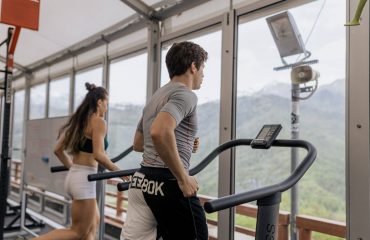
Summer Body Season: How Gyms Prepare for the Spring Peak

Every spring the same wave arrives. From March to June enquiries rise, trial passes are redeemed, and a large share of new members walk in with one unspoken deadline: the summer holidays. For an operator the summer body season is not a marketing slogan. It is a capacity problem, an equipment problem and a retention problem at the same time. This guide is written for gym owners, hotel and resort managers, campsite and residence operators, sports clubs, rehabilitation centres and local authorities who have to absorb that peak with the floor they already have, or who are planning their next investment around it.
Set expectations before you sell the membership
The biggest single cause of spring churn is the gap between what a member expects in April and what their body does by July. People arrive with a fixed date and a picture in mind, then stop coming when week three does not match it. Equipment alone will not close that gap, but the sign-up conversation will.
What works on the floor:
- A short intake conversation that turns a vague wish into a measurable, gradual objective, recorded and revisited every few weeks.
- Written programmes that combine cardiovascular work and resistance training rather than one or the other.
- Milestones spread across the whole season instead of a single date in July.
- A clear line between coaching and medical or dietary advice, which belongs to qualified professionals.
One word of caution on numbers. Seasonal marketing circulates aggressive weekly weight-loss targets; publishing one is both a health risk and a promise your service cannot keep. Keep your communication on consistency and progression, and leave any numeric target to the member and their own healthcare professional.
Cardio: where the seasonal peak becomes visible
Cardio is the first bottleneck of the season. Queues form at 18:30, machines run eight to ten hours a day, and any unit specified for lighter traffic starts failing within a single spring. Equipment installed in a commercial, hotel, municipal or club setting has to be certified to EN ISO 20957-1 class S, the professional class for indoor equipment, because that is what the duty cycle of a peak season actually demands.
Variety matters as much as quantity. A floor that offers only treadmills concentrates the queue and the joint load on one machine. A balanced spring line-up usually mixes treadmills, cross trainers, upright and recumbent bikes, indoor cycling for group sessions, rowing machines and a ski ergometer for interval formats. Our full professional cardio equipment range is built around that mix, with frames and electronics rated for continuous commercial use.
Three checks before you buy for a peak: the number of hours per day the unit is rated for, the availability of spare parts and service in your country, and the electrical load your room can take once every machine is running at once.
Strength training is what actually reshapes a silhouette
Members still arrive believing that resistance training is reserved for bodybuilders and that cardio alone will change their shape. It is the most persistent myth on the floor, and it costs you results. Resistance work builds lean mass, supports bone density, improves mobility and raises resting energy expenditure. For members whose goal is a visible change by summer, it is the decisive half of the programme, and that applies to women exactly as it does to men.
For a seasonal influx of beginners, selectorised machines carry most of the load: the movement path is guided, the weight changes in seconds, and supervision requirements per member are lower, which matters when the floor is full. Experienced members move on to plate-loaded machines, racks and free weights. The professional strength training machines range covers both stages, and adding a second cable station or a small cluster of benches is often a cheaper way to raise capacity than extending the room.
Bodyweight work stays useful for circuits and small group sessions when floor space is tight, provided you have the mats, the flooring and the storage to run it cleanly.
Hydration, nutrition and recovery: what you can offer and what you must not claim
Hydration, sleep and recovery are the parts of the result your members control at home, but the facility shapes them more than most operators think. Accessible water points, a ventilated floor, and a recovery area that is genuinely used all reduce the drop-off rate in June.
Where the seasonal opportunity lies is in the recovery offer: sauna, steam room, cold plunge and a quiet stretching area turn a summer membership into a year-round one. Our wellness and recovery equipment range is designed for that use in commercial and hotel installations.
What you must not do is prescribe. General guidance on balanced eating is fine; individual diet plans, calorie targets and supplement recommendations are the remit of a qualified dietitian, and in most European markets making health claims outside that remit exposes you legally. Refer, do not prescribe.
Planning the floor for the peak
The operators who come through spring best are the ones who plan the room, not just the machines. Separate the cardio queue from the free-weight zone so that circulation does not cross. Keep a clear metre around loaded bars. Check that your flooring is rated for the dropped weights it will actually receive rather than the ones you hoped for. Schedule classes so that the group studio empties the main floor at the busiest hour rather than adding to it. And use off-peak pricing or morning sessions to spread the load instead of buying capacity you will only use for ten weeks.
When should we order equipment for the spring peak?
Work backwards from your busiest week and allow for manufacturing and installation lead times, which vary by range and by market. Ask for a written lead time in your quote rather than assuming one, since it depends on the range, the finish and the destination country.
Is class S certification really necessary for a small facility?
Yes. EN ISO 20957-1 class S covers equipment intended for professional and commercial use, and it is what your insurer and any public tender will expect. Equipment intended for private use has no place on a floor open to members, whatever the size of the room.
Cardio or strength: which should we reinforce first?
If your queue forms at the cardio line, reinforce cardio; if members leave after eight weeks without visible change, reinforce strength. In most facilities entering a seasonal peak, the strength area is the one under-dimensioned relative to what actually delivers the result members came for.
How do we keep summer members past September?
Programme beyond the deadline. Members who reach July with a written programme, recorded progress and a recovery routine they enjoy convert into annual memberships far more often than those sold a single seasonal outcome.
Plan your season with the right equipment
A summer peak is won in the months before it, with equipment sized for the traffic and a floor that keeps members coming back in September. Tell us your surface area, your attendance profile and your budget, and our team will build a configuration around them. Request a quote and we will come back with a layout, a specification and a lead time for your project.