Sports Physiotherapy Training: Pathways, Competencies and Career Options
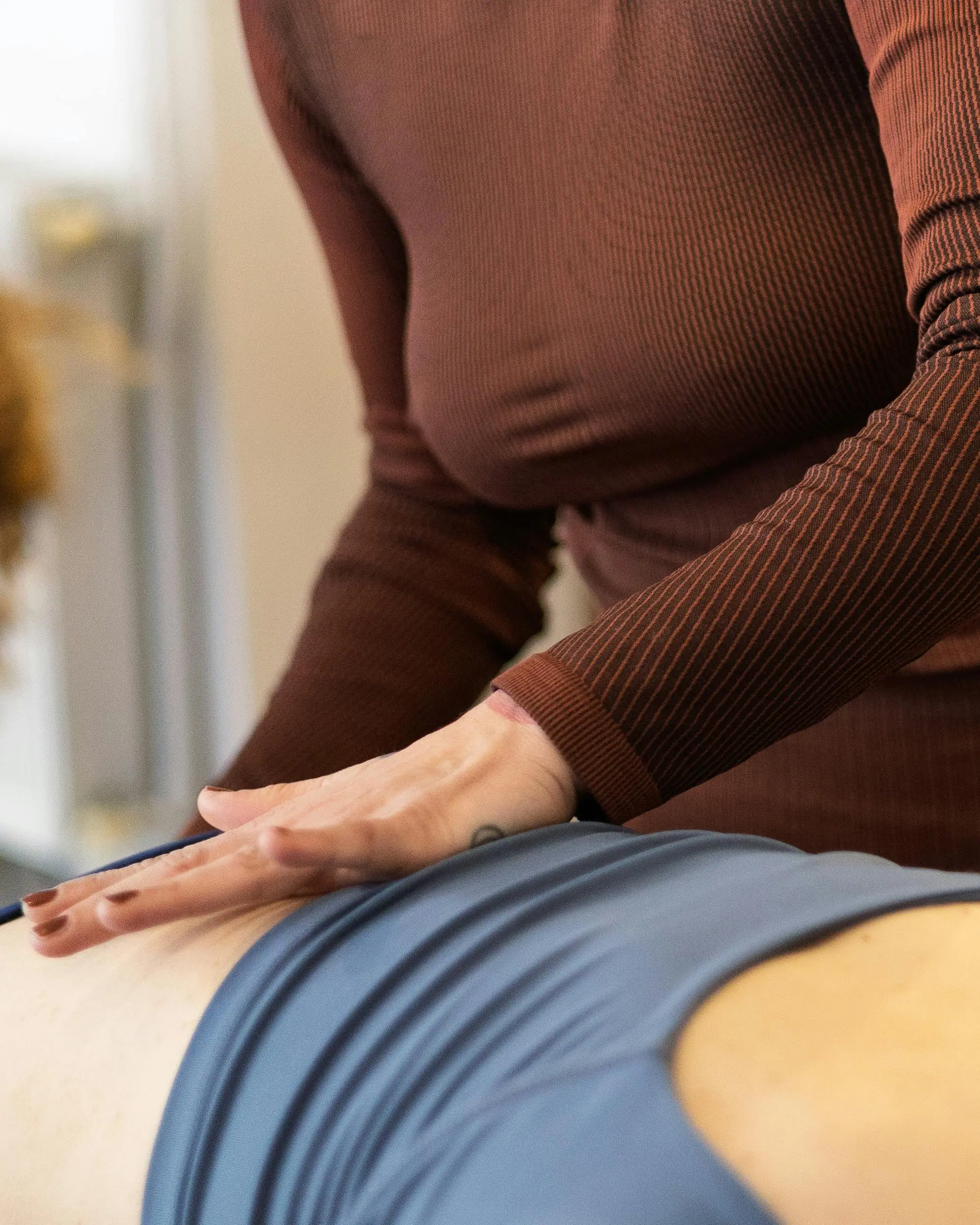
Sports physiotherapy focuses on athletes, from recreational participants to elite competitors. It builds on general musculoskeletal practice. Greater participation and complex injuries create demand for specialised care. Practitioners need to understand the training routes, expected skills and career choices. Clinic and club managers also need this information when hiring. This guide explains those options.
The scope of practice of a sports physiotherapist
A sports physiotherapist supports athletes before and after injury. The role includes prevention, movement work and a gradual return to activity. It requires close analysis of sporting movements and each discipline’s demands. Treatment must fit the patient’s needs. Clinical judgement, biomechanics and practical function all matter.
Pathways into the specialisation
Entry into sports physiotherapy follows a progressive, structured route. The national physiotherapy qualification required to practise in your own country is the mandatory foundation: it provides the grounding in anatomy, physiology and clinical reasoning on which everything else is built. Qualification requirements and protected titles differ from one country to another, so check the requirements of your own regulator before enrolling on any programme.
Specialisation towards sport then happens through continuing professional education. Post-qualification programmes allow practitioners to go deeper into specific fields such as return to sport and reconditioning, training load management and functional assessment of the athlete. This is the decisive step in the development of a practice: it reorients clinical reasoning towards problems directly tied to performance and to injury prevention.
Evidence-based practice and current expectations
Modern sports physiotherapy rests on evidence-based practice, which combines current scientific evidence, clinical expertise and the expectations of the patient. That approach demands permanent re-examination of established habits and active engagement with the literature. In concrete terms it means:
- continuously adapting treatment protocols,
- critically appraising the methods in use,
- translating research findings into everyday practice.
Continuing education resources, including online platforms, are widely used by practitioners who want to strengthen their clinical reasoning and apply concepts that transfer directly into the clinic.
Competencies developed through specialisation
Training in sports physiotherapy develops targeted competencies that are indispensable when working with athletes. It strengthens the ability to assess functional limitations, to understand injury mechanisms and to build coherent rehabilitation plans. The key competencies include:
- biomechanical analysis of movement,
- management of progression and training load,
- clinical decision-making in a sporting context.
Together these allow care to be individualised and the quality of follow-up to be improved.
Career options after specialisation
The specialisation opens varied and evolving professional prospects. Some practitioners build an athletic caseload within their own practice, made up of recreational participants and competitors alike, and adapt their organisation, their protocols and their professional communication to that audience.
Others work with sports clubs, associations or facilities dedicated to rehabilitation and performance. These environments allow the practitioner to work alongside coaches, strength and conditioning specialists and physicians, which supports a genuinely multidisciplinary approach. Specialisation also makes it possible to work on specific problems such as injury prevention, reconditioning and the supervised return to competition.
Professionally, it is a real point of differentiation. It reinforces credibility, gives visible value to a targeted expertise and makes it easier to build a network within the sporting world. In the longer term it can also lead to teaching, consultancy and advisory work with sporting organisations.
Choosing a programme that is worth the investment
Programmes vary enormously. Assess the teaching approach, the proportion of practical work and the consistency between what is taught and the problems encountered on the ground. A worthwhile programme allows knowledge to be applied immediately in the clinic rather than remaining theoretical, and it fits into a logic of continuing development rather than being a one-off certificate.
Equipping the practice that follows
Choose equipment to match the patients you treat. Graded resistance helps with reconditioning. Measurable loads make progress easier to track. Patients also need to feel confident using the equipment. Our cable stations allow resistance to be set across many movements. The wider strength training machines range includes guided stations used in rehabilitation. For outdoor and adapted work, see our rehabilitation outdoor fitness equipment.
Continuing education and career development
Sports physiotherapy changes constantly. Scientific advances, new training methods and the evolution of sporting practice all require knowledge to be updated regularly. Committing to continuing education makes it possible to secure clinical decisions, improve the quality of care and maintain a consistent level of expertise over the long term. That dynamic underpins both the longevity of a career and the satisfaction taken from it.
Building lasting expertise in sports physiotherapy
Sports physiotherapy is a substantial career choice. It combines an initial qualification, further specialist training and evidence-based practice. The route is demanding but clear. Choose a programme and equipment that help you support athletes safely and consistently. For a rehabilitation or performance fit-out, send your plan through our quotation request page. We will propose a configuration.
Sources et références
- Code du sport, articles R322-4 à R322-43 – garanties d’hygiène et de sécurité applicables aux établissements d’activités physiques et sportives (Légifrance)