The 7-Minute Workout: What Science Really Shows
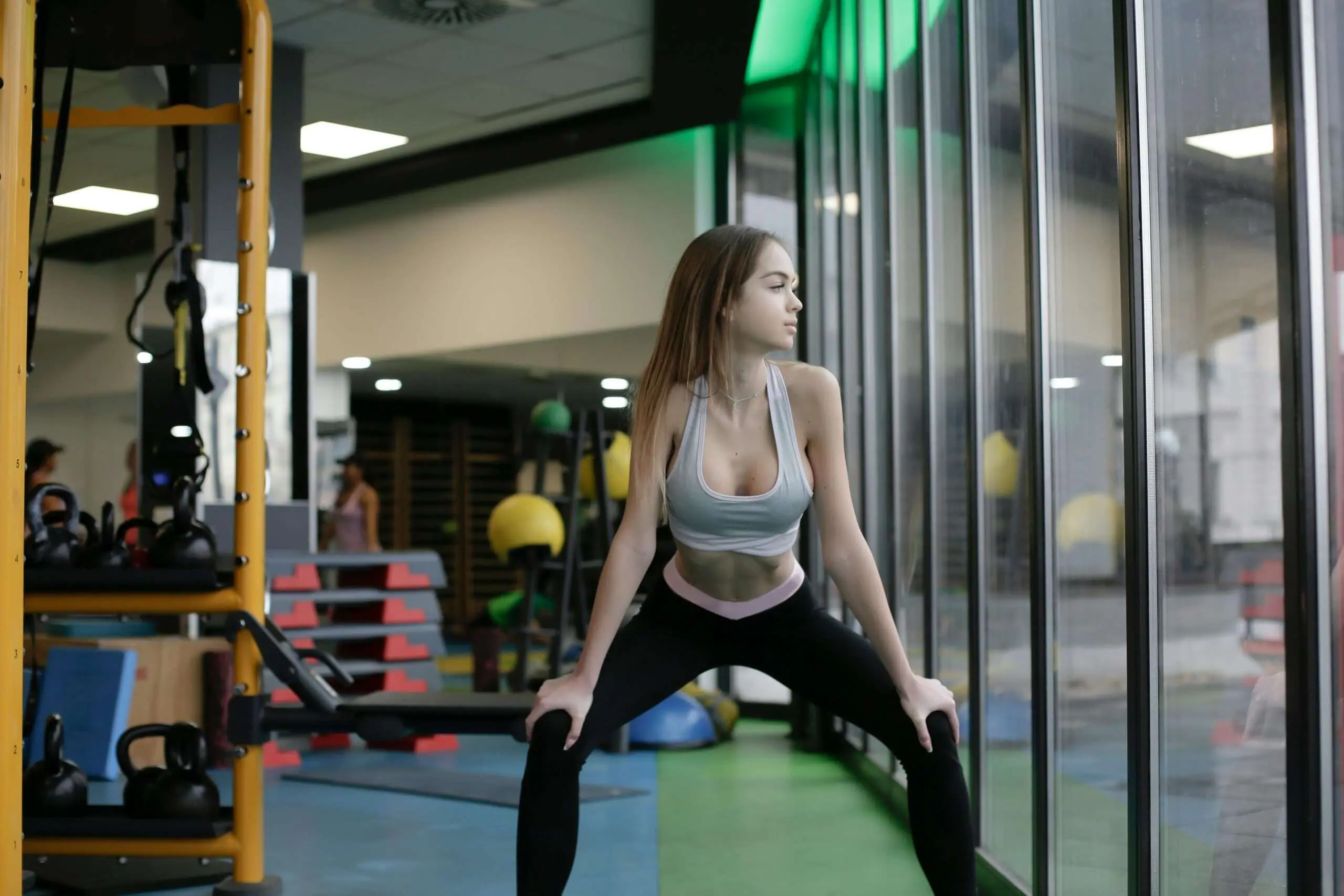
Seven minutes of high-intensity exercise a day genuinely improves cardiovascular fitness — studies show VO2 max gains of 5 to 8 percent in eight weeks — but it will not deliver significant weight loss or muscle mass on its own. The famous 7-minute circuit, published in the American College of Sports Medicine Health and Fitness Journal in 2013, has since been refined, tested and frequently oversold. Here is what the research actually shows, what it does not, and how to use the format properly.
What the studies really show on calorie burn
Seven-minute sessions apply HIIT principles: 20-30 seconds of maximal effort alternated with 10-second rests across 12 bodyweight exercises — jumping jacks, wall sit, push-ups, crunches, step-ups, squats, triceps dips, plank, high knees, lunges, push-up rotations and side plank.
A McMaster University study (2014) measured that short HIIT raises post-exercise calorie burn (the EPOC effect) by 6-15 percent over the following 24 hours. Concretely, a 7-minute session burns roughly 60-80 kcal directly, plus 20-40 kcal of afterburn. That is modest next to a 45-minute run (400-500 kcal): the real advantage is not gross expenditure but the effort-to-benefit ratio and the consistency the format makes possible.
Cardiovascular impact: the VO2 max numbers
A 2019 meta-analysis in the British Journal of Sports Medicine covering 786 participants found short HIIT improved VO2 max by 5-8 percent in eight weeks, versus 4-6 percent for moderate continuous training of three times the duration. Heart rate reaches 85-95 percent of maximum during work phases — a genuine cardiovascular stimulus.
A practical progress marker: measure resting heart rate each morning. A drop of 5-10 beats per minute after 4-6 weeks indicates real adaptation. One caution: anyone sedentary for more than six months, or over 45 without regular activity, should get medical clearance first — HIIT is demanding on an unprepared heart.
Bodyweight strength: effective, within limits
| Criterion | 7 min/day bodyweight | 45 min gym strength, 3x/week |
|---|---|---|
| Strength gain (beginner, 8 weeks) | +10-20% | +20-35% |
| Visible muscle tone | Moderate | High |
| Hypertrophy | Low | Moderate to high |
| Accessibility | Anywhere, no equipment | Gym required |
| Injury risk (beginner) | Low | Moderate |
| Adherence at 6 months | High (about 70%) | Low (about 30%) |
If the goal is meaningful muscle mass, seven minutes a day is not enough — hypertrophy needs progressive overload beyond what bodyweight provides. For general tone, functional strength and health, the format is remarkably efficient, largely because people actually stick to it.
The mobility mistake most practitioners make
Most 7-minute programmes skip stretching entirely. Building 45-60 seconds of dynamic warm-up at the start and 60 seconds of static stretching at the end (hip flexors, hamstrings, chest) reduces injury risk substantially according to a 2020 systematic review in Sports Medicine — and still fits inside seven minutes. Early-week soreness (DOMS) is normal, fades after 2-3 weeks, and is not a reliable indicator of effectiveness.
Why 7 minutes beats 60: the psychology of habit
University College London research (Lally, 2009) found a behaviour takes on average 66 days to become automatic — and the decisive factor is regularity and ease, not duration. The 7-minute format lowers the psychological barrier so far that excuses run out: anchoring the session to an existing trigger (after the morning coffee, for instance) builds what Stanford behaviour scientist BJ Fogg calls a tiny habit. Field data supports it: home exercisers who start with sessions of 10 minutes or less are 2.3 times more likely to still be training at six months than those who start with 30-60 minute sessions.
The optimal exercise sequence
The original protocol alternates upper and lower body so one region recovers while the other works, keeping intensity high throughout:
- Jumping jacks (full body activation)
- Squats (quads, glutes, hamstrings)
- Push-ups (chest, triceps, shoulders)
- Crunches (abdominals)
- Step-ups (quads, glutes, balance)
- Triceps dips (triceps, shoulders)
- Plank (full core)
- High knees (cardio, hip flexors)
- Lunges (quads, glutes, stabilisers)
- Push-up with rotation (chest, obliques)
- Side plank (obliques, hip stabilisers)
Each exercise: 30 seconds of work, 10 seconds of transition. A free interval-timer app keeps you focused on execution rather than the clock.
What 7 minutes cannot do
- Significant weight loss without dietary change: at around 100 kcal per session including afterburn, exercise alone would take 35 days to burn half a kilo of fat — nutrition remains the main lever
- Substantial muscle growth: hypertrophy requires progressive external load
- Sport-specific preparation: a marathon or a competitive season needs specific, longer training
- Meeting full activity guidelines: the WHO recommends 150-300 minutes of moderate activity weekly; 49 minutes of vigorous work covers the intensity minimum but not the full volume
A 4-week progression plan
| Week | Frequency | Intensity | Adjustment |
|---|---|---|---|
| 1 | 5 days | 60-70% max effort | Learn the movements, prioritise form |
| 2 | 6 days | 70-80% | Cut rests to 8 seconds |
| 3 | 7 days | 80-90% | Add variants (diamond push-ups, jump squats) |
| 4 | 7 days | 85-95% | Run two circuits (14 min) twice in the week |
Frequently asked questions
Is 7 minutes a day enough to get fit?
It measurably improves cardiovascular fitness and maintains functional strength, and it is the single best entry point for sedentary people. It is not sufficient on its own for large weight loss, muscle building or sport-specific goals.
Should the session be done every day?
Bodyweight HIIT at this volume can be done daily once you have built up over 2-3 weeks. Beginners should start at five days per week at moderate intensity and progress.
Do I need any equipment?
Only a chair and a timer. Adding a mat, a pull-up bar or light dumbbells extends the exercise menu and the progression runway — useful once bodyweight alone stops being challenging. For structured interval walking as an alternative low-barrier method, see our guide to Japanese interval walking.
Is HIIT safe for beginners?
Generally yes, because the loads are bodyweight only — but the cardiovascular demand is real. Anyone with heart conditions, long-term inactivity or over 45 without recent training should get medical clearance first.
For gyms, hotels and workplaces: short-format training zones — a functional corner with mats, timers, pull-up bars and light equipment — are among the highest-usage, lowest-cost spaces a facility can add. Light In Fitness designs and equips them across Europe. Request a free quote.