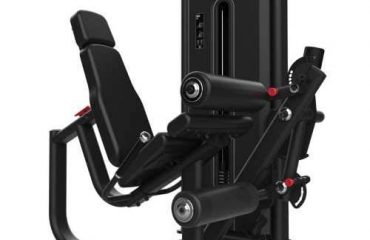
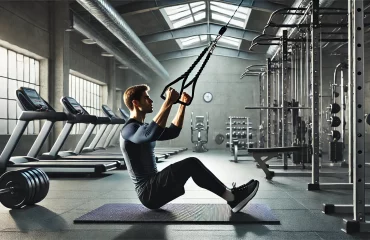
Selectorised leg press machine: everything you need to know
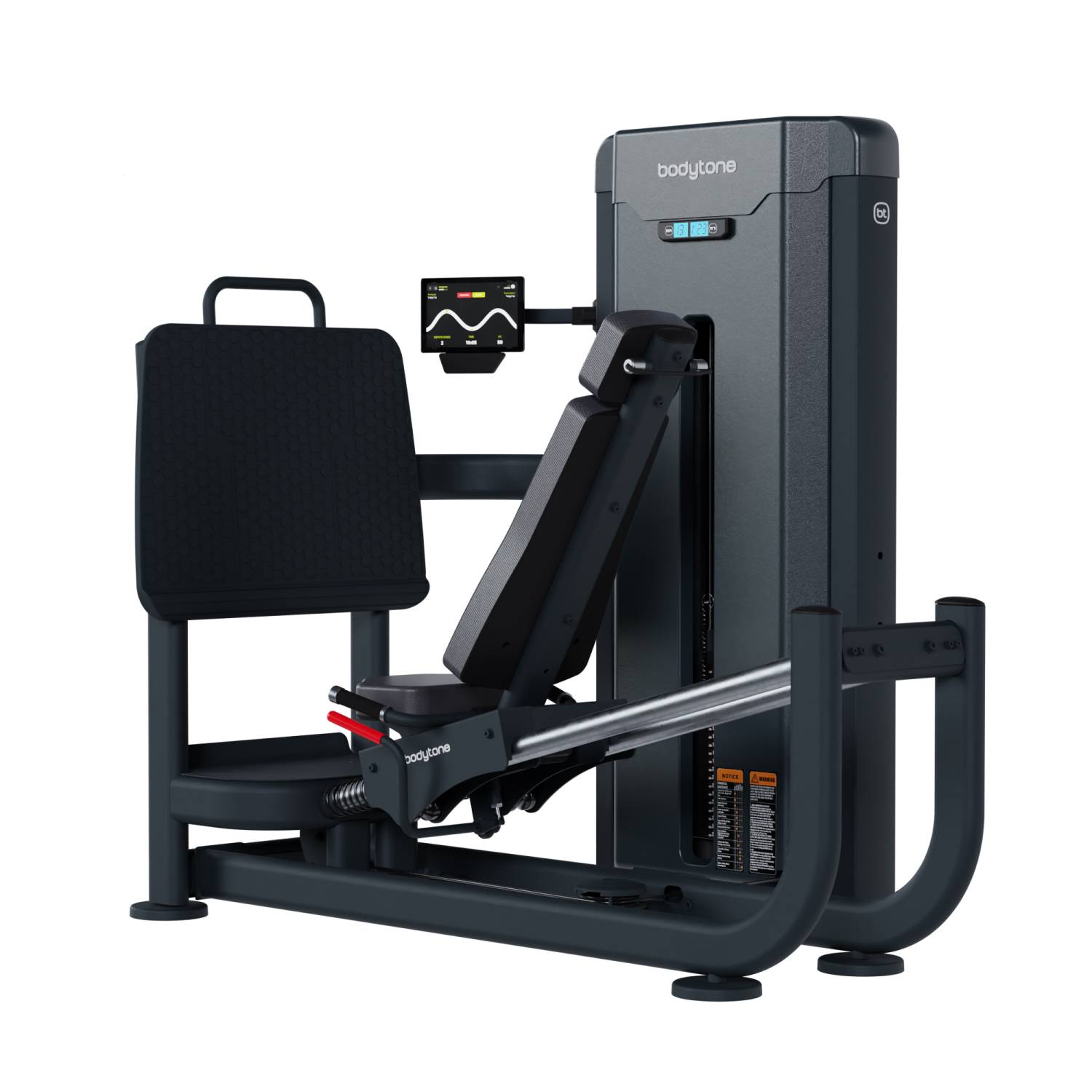
The selectorised leg press is one of the few machines that earns its floor space in almost every facility. It builds the quadriceps, hamstrings and glutes on a guided path, which makes it as usable by a first-week beginner as by a competitive athlete. This guide covers what the machine does, why operators specify it, how to coach it correctly and the questions members ask most often.
What a selectorised leg press is
The leg press with a guided weight stack targets the muscles of the lower body: quadriceps, hamstrings and glutes. It combines an inclined seat with a footplate on which the user presses. Because the load runs on a fixed, guided path, the movement is controlled and predictable, which is exactly what makes it the right first machine for beginners and for anyone who would rather not train the same pattern with free weights.
Selecting the load from a stack rather than loading plates has a second consequence that matters on a busy floor: the changeover between two members takes seconds, and nobody has to carry loading discs across the room. For indoor commercial use, the machines we supply are built to EN ISO 20957-1 class S, the professional class.
Why operators put a leg press on the floor
Lower-body strength. Regular use strengthens the quadriceps, hamstrings and glutes. These muscles carry posture, stability and almost every athletic movement, which is why the machine appears in general fitness, rehabilitation and performance settings alike.
Progressive force development. Increasing the load gradually develops maximal strength. That matters for athletes who need explosive leg drive, such as runners, jumpers and footballers, and the guided path lets them push close to their limit without a spotter.
Muscular endurance. Higher repetitions with lighter loads build the capacity to sustain effort, which suits circuit programming and the majority of members who are not chasing a one-rep maximum.
Lower injury exposure. The controlled, guided movement substantially reduces risk compared with the same pattern under a free bar. It is the reason the leg press is a standard choice for members with joint issues and for anyone returning to training.
Exercise variety. Foot position, foot spacing and seat inclination can all be adjusted to shift the emphasis between muscle groups, so one machine covers several training intentions.
How to use the machine correctly
Six points cover almost every coaching correction on this machine.
- Adjust the seat. Set it to the user height and comfort. The knees must line up with the pivot of the machine and the feet must sit flat on the plate.
- Place the feet. Roughly shoulder width apart, toes turned slightly outwards. This position loads the leg musculature in the most effective way.
- Drive the plate. Push with the feet while keeping the back flat against the seat. Do not lock the knees out completely at the top; keep a slight flexion so the joint is not overloaded.
- Control the return. Bring the plate back under control, without letting it drop, and keep continuous tension on the muscles throughout the movement.
- Set the load. Start light and add resistance progressively as the member improves. Rest long enough between sets for the muscles to recover.
- Breathe. Inhale on the return, exhale on the push.
Two details are worth repeating in staff training, because they are where injuries actually come from: the back must stay in contact with the seat, and the knees must never snap into full extension under load.
Choosing the right leg press for your facility
Three questions decide the specification. How many members will use it at peak time, which decides whether you need one machine or a second lower-body station. Who those members are, because a rehabilitation centre and a performance gym do not need the same load range. And how much floor you can give it, since the footprint of a leg press is one of the largest in the strength area.
From there the choice is between a stack machine and a plate-loaded one. Browse the selectorised machines for guided stack stations such as the Forza Bodytone FB59 leg press, or the plate-loaded machines when your members prefer to load discs and you want a higher ceiling on the maximum load.
Frequently asked questions
Which muscles does the selectorised leg press work?
Mainly the quadriceps, the hamstrings and the glutes. It also recruits the calves, the lower back and the stabilising muscles of the hip.
How many sets and repetitions should be programmed?
It depends on the objective and the fitness level. As a general rule, 8 to 12 repetitions per set for strength development and 12 to 15 repetitions per set for muscular endurance, over 3 to 4 sets per exercise.
Can members with joint problems use it?
The leg press can be a safe option for people with joint issues, because the movement is guided and controlled. Anyone with a pre-existing joint condition should nevertheless get medical advice before starting a new training programme.
Do you need heavy loads to get results?
No. The load is set according to fitness level and objective. What produces results is correct technique and regular progression, not the number on the stack.
What should be combined with it?
Other stations, to build a complete session: dumbbells for the upper body, lunges for additional lower-body work, and core exercises for the trunk. The leg press is a component of a programme, not the whole programme.
Stack or plate loaded?
A stack is faster to adjust and better suited to mixed-ability floors and circuits. Plate loaded suits members training heavy and gives a higher maximum load. Many facilities install both.
Specifying your lower-body area
A leg press is a long-term purchase: it takes constant load, it takes a large footprint, and it has to stay comfortable and safe for members of very different sizes. Tell us the surface available, the profile of your users and your budget, and we will propose the right configuration for the room. Request a quote and our team will come back with a costed proposal.