Planning a Profitable Cardio Zone: Mix, Layout and Total Cost
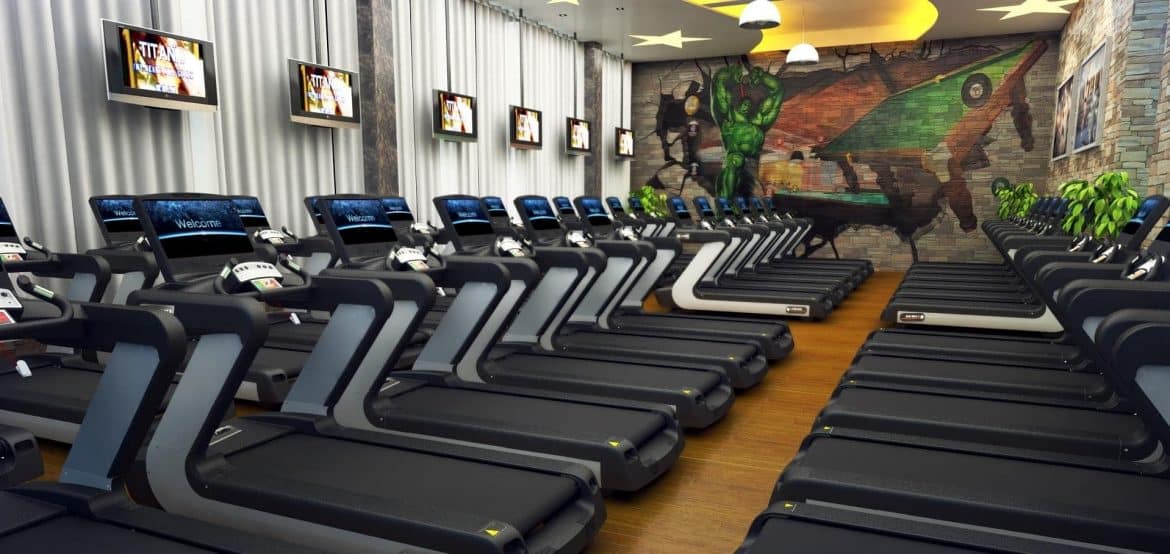
Many clubs build their cardio zone the way you fill a shop window: some treadmills, some bikes, a couple of cross trainers. Then they discover that members do not use them equally, that certain stations wear out twice as fast as the rest, and that the layout has turned a whole area into a bottleneck. Profitability is rarely decided by the total number of machines. It is decided by the mix and by the way people move through the zone.
The mix that works
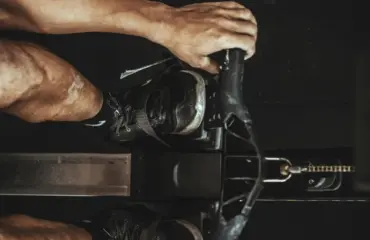
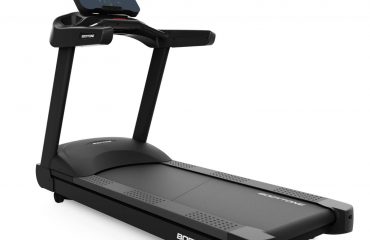
A cardio zone should offer real choice without duplicating for the sake of it. In practice it splits into two families. The star machines — treadmills and cross trainers — carry the bulk of the usage and are what a member looks for on arrival. The complementary machines — rowers, bikes, air bikes — serve specific profiles and specific programmes: interval work, low-impact sessions, upper-body involvement, warm-ups before a strength session.
Getting the ratio wrong in either direction costs money. Too few star machines and you have queues at peak hours, which is the single most common reason a member gives for leaving. Too many, and you have paid for identical stations that sit empty for most of the day while your programming options stay narrow. The full range is grouped under professional cardio equipment, with the two highest-demand families in treadmills and rowing machines.
Floor area: circulation before density
The instinct when floor space is expensive is to pack machines in. It backfires. Packed too tightly, a cardio zone feels uncomfortable, creates real risk around moving parts, and shortens the time members are willing to stay in it — which is exactly the opposite of what you want from the area that keeps them in the building.
Plan circulation first: a clear route in and out, room to pass behind a machine in use, and enough space for a member to step off without brushing against the next station. Then place the machines. A cardio zone that pays is a cardio zone where people can breathe.
Budget: the invisible cost
The purchase price is the visible part. The part that decides your ten-year cost is elsewhere: wear parts, scheduled maintenance, downtime while a machine waits for a part, and in some cases electrical consumption. Total cost of use is usually more decisive than the invoice, especially on the stations that run all day.
This is why a station that is slightly more expensive but supported by fast spare-part supply is normally the cheaper decision on a busy floor.
The professional view
If you want a zone that lasts, the reasoning is turnover, maintenance and after-sales support — not a promotion and a spec sheet. Ask any supplier the same three questions before ordering: what wears first, how long does a spare part take to arrive, and who comes on site.
Frequently asked questions
How many machines should I plan for my floor area?
There is no universal figure: it depends on your peak attendance, your opening hours and your member profile. Our team sizes the zone from your floor plan and your expected attendance rather than from a ratio.
Which machine wears out fastest?
The stations with the highest usage, typically treadmills, which is why belt and deck maintenance should be scheduled rather than reactive.
Sizing your cardio zone
Send us your floor plan and your expected attendance and we will come back with a machine count, a layout and pricing: request a quote.
Réalisations documentées
- Dalles et sols sportifs : livraisons documentées – plusieurs chantiers
- Sol sportif extérieur, square Georges-Vallerey – Taverny (95)