Professional Strength Training: Equipment and Expertise
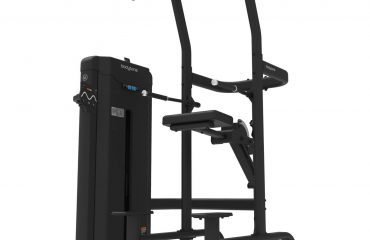
Un équipement de musculation professionnel se distingue par sa classe d'usage, EN ISO 20957 classe S, et par la disponibilité de ses pièces détachées. Ces deux éléments conditionnent la sécurité des utilisateurs et la durée de vie du parc. Ils distinguent un matériel de salle d'un matériel domestique de même apparence.
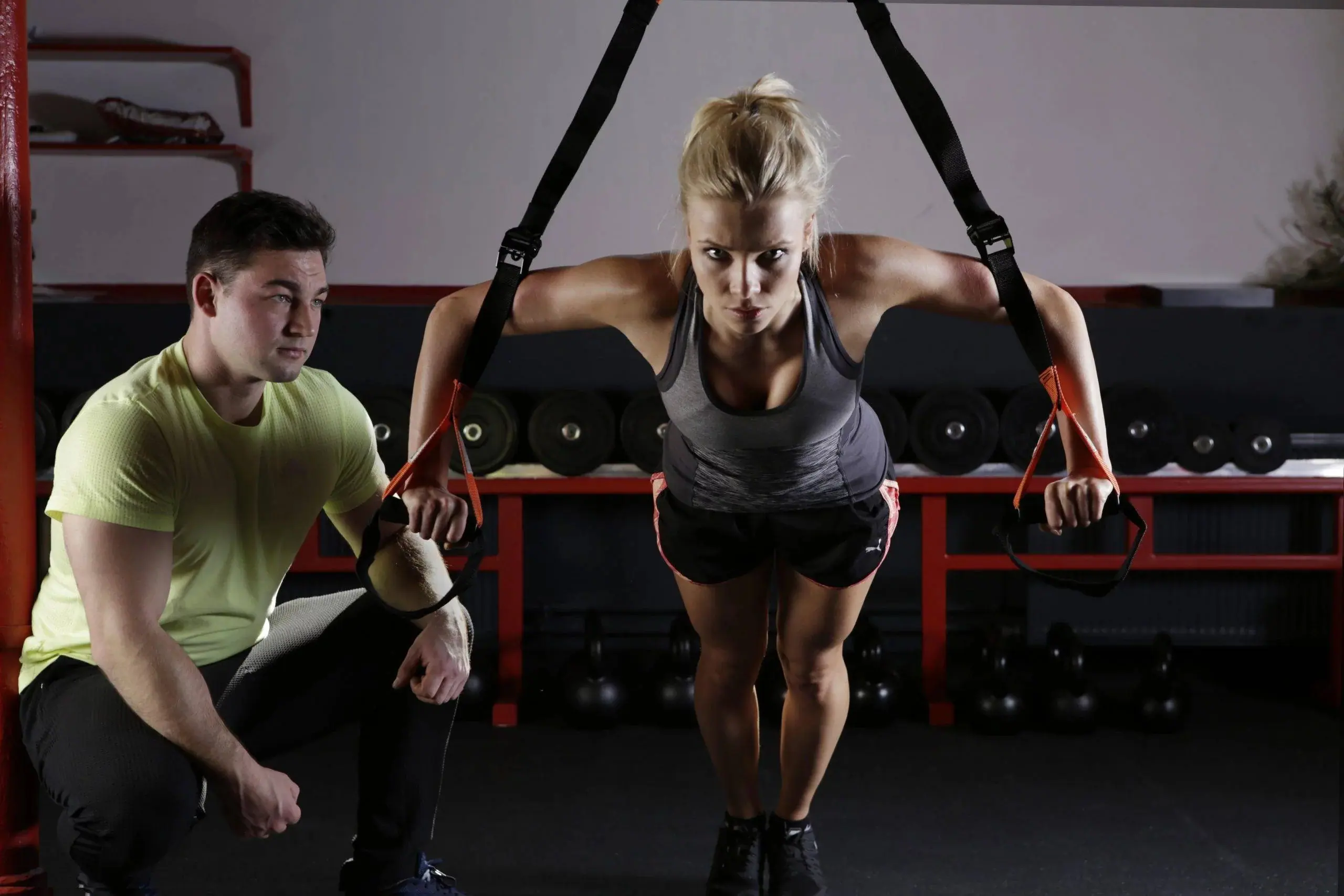
Every commercial gym reaches the same point: the floor is full, the members are training, and the results are uneven. Two things decide whether a strength offer actually delivers for the people paying for it, and both sit on the operator’s side of the counter. The first is the competence of the strength and conditioning staff who write and supervise the programmes. The second is the equipment those staff are given to work with. This guide looks at both, from the point of view of the person specifying and buying.
What a strength and conditioning professional actually does
A qualified strength professional is not simply someone who lifts. The role combines applied knowledge of biomechanics, exercise physiology and nutrition with the practical ability to translate that into a session a member can complete safely. On a commercial floor, the job has three parts: designing programmes matched to each client’s goals, capabilities and limitations; supervising execution so that form and technique stay correct under fatigue; and progressing load without pushing a member into injury.
For an operator, that competence is what converts equipment into retention. A member who is shown how to use a converging chest press correctly, at a load that suits them, comes back. A member left to interpret a pictogram on the machine frame usually does not.
What operators gain from qualified coaching staff
A commercial floor is an intimidating place for a beginner. The equipment is unfamiliar, the loads are unfamiliar, and the social pressure is real. Coaching staff remove that barrier, and the effect shows up in three measurable places.
- Personalised programming. Sessions built around a stated goal rather than around whichever machine happens to be free. This is the single strongest driver of perceived value in a membership.
- Faster progress per hour trained. Members who reach their goal in fewer, better-structured sessions stay members. Wandering the floor is the shortest route to cancellation.
- Fewer incidents. Sprains, strains and muscle tears on a supervised floor are markedly rarer than on an unsupervised one, and each incident costs an operator far more than the coaching hour that would have prevented it.
Areas of expertise and the equipment each one needs
Strength work is not a single discipline, and the equipment list follows the specialism you decide to offer.
Muscle mass and general strength
Squats, lunges, deadlifts and heavy pressing sit at the centre. This needs racks, benches, olympic bars, plates and a floor rated for dropped load, plus plate-loaded machines where members want heavy compound work without a spotter.
Guided, high-throughput training
For a general membership, selectorised machines carry most of the volume. A weight stack changed with one pin means shorter setup, faster circuits and far less chance of a member loading a bar incorrectly.
Mobility and flexibility
Yoga, Pilates and mobility work need floor area, matting and reformer equipment rather than loaded machines. They also relieve pressure on the strength floor at peak hours.
Conditioning and body composition
Running, cycling and rowing cover the cardiovascular side: calorie expenditure, cardiac health and working capacity. In practice these machines also serve as the warm-up and cool-down zone that keeps the strength area flowing.
Why equipment specification decides the outcome
Coaching competence has a ceiling, and that ceiling is the equipment. Unsuitable or worn machines produce two kinds of failure: acute injury, and the slow erosion of a member’s confidence when a cable sticks, a pad tears or a stack rattles. Neither is recoverable by good programming.
The dividing line is the use class. Indoor equipment installed in a commercial or public facility is specified to EN ISO 20957-1 class S. That reference belongs in writing on every line of the quote, for machines, benches and cardio alike. Class I is the professional class for inclusive access, intended where the facility must serve users with reduced mobility; it is a distinct professional class, not a higher intensity grade than class S.
The second dividing line is parts. A machine whose cables, pads, bearings and stack components can still be sourced several years after installation is an asset that is maintained. One whose parts have been discontinued is an asset that is scrapped. Ask for the spare-parts commitment before you ask for the discount.
Matching the objective to the equipment
| Member objective | Equipment family | What it demands of the floor |
|---|---|---|
| Muscle mass, maximal strength | Racks, benches, olympic bars and plates | Impact-rated flooring, generous clearance around the bar |
| General conditioning, high throughput | Selectorised machines | Circulation lanes, machines grouped by movement pattern |
| Heavy compound work without a spotter | Plate-loaded machines | Plate storage at each station, reinforced surfacing |
| Mobility, rehabilitation | Mats, reformers, cable stations | Quiet zone, clear floor area |
| Cardiovascular capacity | Treadmills, bikes, rowers | Power supply, ventilation, acoustic underlay |
How to choose the coaching staff who will run the floor
Recruiting or contracting a strength professional deserves the same rigour as buying a machine. Check the qualification and where it was awarded, and confirm it is a recognised certification rather than a weekend course. Ask what client profiles the person has actually worked with: a coach who has only trained competitive athletes will struggle with a deconditioned beginner, and the reverse is equally true. Take references from previous employers or clients rather than relying on the testimonials on a personal website. Finally, check that the person’s approach fits the positioning of your facility; a mismatch in style shows up in member feedback within weeks.
Frequently asked questions
Which standard applies to strength equipment in a commercial gym?
EN ISO 20957-1 class S for indoor equipment in commercial and public use. Outdoor adult equipment is covered by EN 16630, and children’s equipment by EN 1176-1 with EN 1177 for the impact-attenuating surface. These are separate families and cannot be substituted for one another.
Selectorised or plate-loaded machines for a new facility?
Selectorised machines first, in most cases. They carry a mixed membership at higher throughput and with less supervision. Plate-loaded stations are added once you have a population that trains heavy and knows how to load safely.
How much coaching does a strength floor actually need?
That depends on your membership profile rather than on floor area. A facility selling beginner transformation needs a supervised floor; one serving experienced lifters needs induction and periodic review. Specify the machine mix around the answer, not the other way round.
Specifying your strength floor
Light In Fitness has supplied professional fitness equipment to commercial operators since 2013, across the full strength training machine range. Send us your floor area, membership profile and the disciplines you intend to coach, and we will return a configured layout with the matching equipment list. Request a quote.