Professional Stair Climber: The Cardio Machine That Earns Its Floor Space
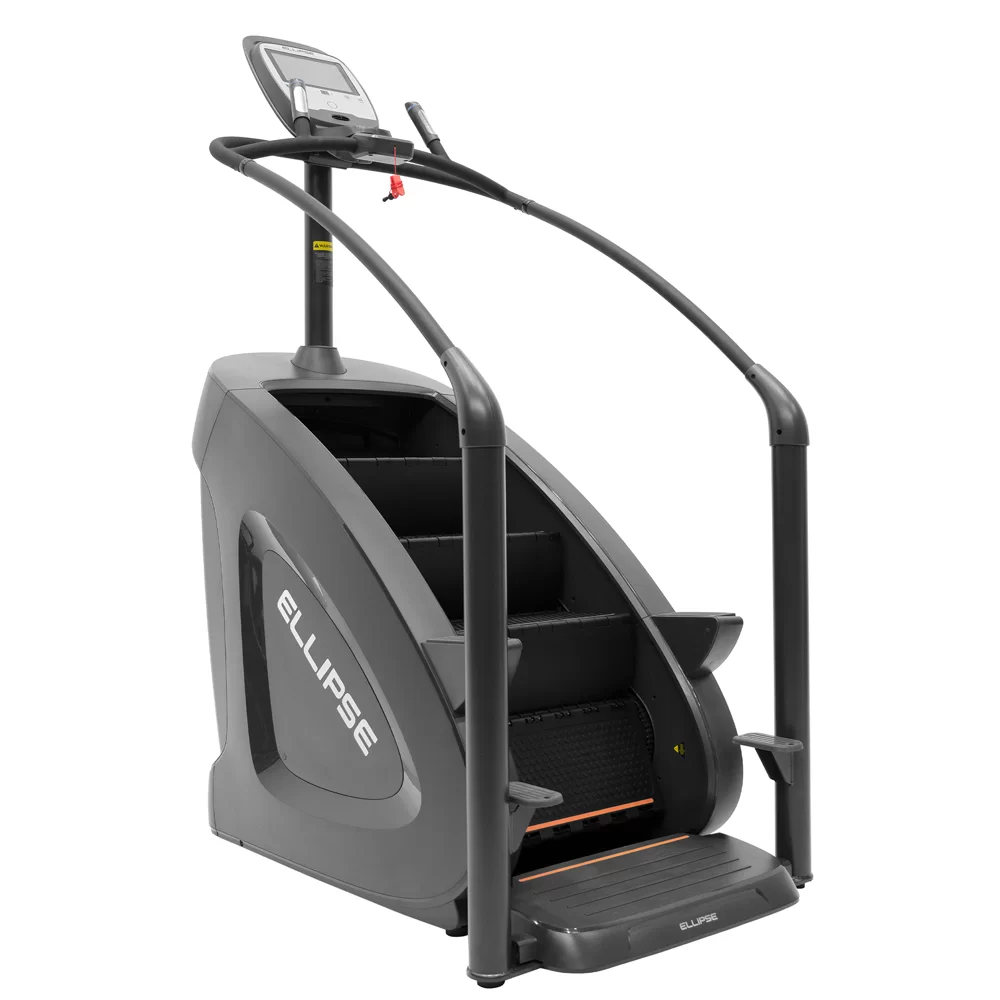
Among the cardio options available to a professional facility, the stair climber occupies a very specific place: it reproduces the one movement almost every member already knows, climbing stairs, and it does so with a load that can be adjusted step by step. This article looks at what the machine is, what it trains, what it delivers in calorie terms, and how to specify and manage one in a commercial gym, a hotel fitness room, a club or a rehabilitation centre.
What is a stair climber?
A stair climber is a cardio machine designed to simulate the action of climbing stairs. It is fitted with pedals or with moving steps that reproduce the climbing movement. Used correctly, it delivers a complete cardiovascular session while engaging a large number of muscle groups, including the legs, the glutes and the trunk muscles.
What a stair climber delivers
1. Cardiovascular conditioning
The first benefit is the effect on cardiovascular health. Used regularly, the machine improves endurance and cardiorespiratory capacity: stair training stimulates the cardiovascular system and increases the body’s ability to carry oxygen and nutrients to the working muscles.
2. Full lower-body and trunk recruitment
The stair climber loads several muscle groups at the same time, which makes it a strong choice for conditioning the legs, the glutes and the trunk. The climbing movement involves the quadriceps, the hamstrings, the calves, the glutes and the abdominal muscles, so the development it produces is balanced rather than concentrated on a single region.
3. Efficient calorie expenditure
For members working on weight loss or weight maintenance, the machine is a productive tool. Depending on the intensity of the session, a user can burn up to 500 calories per hour on a stair climber. The actual figure depends on body weight, intensity and session length, and averages between 300 and 500 calories per hour.
4. Low impact on the joints
Unlike running, the stair climber puts minimal impact through the joints. The movement is smooth and controlled, which reduces the stress on knees, ankles and hips and makes the machine a sensible option for users with joint pain or returning from injury.
5. A range of training options
The machine adapts to different objectives. Intensity is adjusted by changing the resistance or the climbing speed, and many models offer preset training programmes so that sessions can be varied without staff intervention, which is exactly what keeps members using a machine rather than walking past it.
Using a stair climber well: five points for your induction
1. Start slowly and build intensity gradually
A member new to the machine should start slowly and increase intensity progressively, so the body adapts to the movement and the risk of injury stays low. Sessions of 10 to 15 minutes are a sensible starting point, with duration and intensity increased over time.
2. Hold a good position
Back straight, shoulders relaxed, trunk engaged. Leaning forward or hanging on the handrails cancels much of the benefit of the exercise and increases the risk of strain. Posture is the single point most worth repeating during an induction, and the reason stair climbers should be positioned where staff can see them.
3. Set the right resistance
The machine has an adjustable resistance system. Too little makes the session ineffective, too much brings on premature fatigue. The right setting is the one that matches the user’s current condition and the goal of the session, and it is meant to be adjusted as the session progresses.
4. Vary the routine
Changing intensity, duration and training mode keeps the stimulus varied and members interested. The stair climber also combines well with strength work in a circuit, which is how it is most often programmed in a professional facility.
5. Stay hydrated
Members should drink before, during and after the session. In practical terms this means a bottle holder on the machine and a water point within reach of the cardio zone.
Specifying a stair climber for your facility
A stair climber intended for a staffed commercial floor and one intended for an unattended hotel gym are not specified the same way. The points that decide the choice are the frame and drive rated for continuous daily use, the ceiling height available, since the user stands higher than on any other cardio machine, the console and its preset programmes, and the noise level in a room shared with other uses.
Our range of professional stair climbers covers those cases, from the Max 10 stair climber to the Bodytone Evo Climber. The machine is normally specified as part of a wider cardio line-up rather than on its own, so that the room offers a genuine alternative for members who cannot or will not run.
Frequently asked questions
How does a stair climber differ from other cardio machines?
By its movement. Cross trainers and treadmills use a gliding or running action, while the stair climber reproduces the natural movement of climbing stairs, which makes the work more specific and more targeted on the lower body.
Which muscles does it work?
Mainly the leg muscles: quadriceps, hamstrings, calves and glutes. The trunk muscles, including the abdominals and the back, also work to hold posture throughout the session.
How many calories does a session burn?
That depends on body weight, intensity and session length. On average a user burns between 300 and 500 calories per hour on this machine.
Can members with joint problems use it?
The stair climber is generally considered a low-impact option for the joints. A user with an existing joint condition should nonetheless consult a doctor or a health professional before starting a stair training programme, so that the condition can be assessed and appropriate recommendations given.
How long should a session last?
It depends on fitness level and objectives. Beginners are advised to start with sessions of 10 to 15 minutes and to increase the duration progressively. Well-conditioned users can train for longer, up to 60 minutes.
Is the machine suitable for all ages?
It can be used by people of all ages and fitness levels provided there is no medical contraindication. As with any new training programme, users with pre-existing health conditions, and users who are pregnant, should consult a health professional first.
Adding a stair climber to your cardio line-up
The stair climber improves cardiovascular fitness, conditions the lower body and burns calories efficiently, with very little impact on the joints. In a professional facility it earns its floor space when it is specified for the traffic it will actually see and placed where staff can supervise posture. Tell us the size of your cardio area, your opening pattern and your user profile, and we will propose a suitable model and a costed line-up. Request a quote and our team will come back to you with a specification adapted to your facility.