Cardio machine maintenance schedule for commercial gyms
Un parc cardio professionnel se choisit sur la conformité EN ISO 20957, la disponibilité des pièces d'usure et le coût de maintenance annuel. Tapis, vélos, elliptiques, rameurs, steppers et air bikes n'ont ni la même durée de vie ni le même coût d'exploitation. Cette FAQ traite le choix, les normes, l'entretien et le retour sur investissement.
A commercial cardio machine reaches 7 to 15 years of service with a planned maintenance routine, and a fraction of that without one. The difference is not the brand on the console, it is whether daily cleaning, weekly checks and scheduled servicing actually happen, and whether the spare parts chain works when something fails. This guide sets out a workable maintenance calendar, the wear parts to watch by machine family, and how servicing interacts with your warranty.
Why maintenance is a commercial decision, not a technical one
Downtime on cardio equipment is expensive in a way that does not show up in the maintenance budget. The machines that generate the most member satisfaction, treadmills, bikes and cross trainers, are the ones that run all day, and a popular machine out of service for three weeks while a part is sourced costs more in cancelled memberships than the part and the labour combined.
There is a second commercial reason. Warranty terms on professional cardio equipment, typically 2 to 5 years depending on the range, exclude normal wear, misuse and failure to follow the manufacturer servicing schedule. Documented preventive maintenance is what keeps a warranty enforceable, which means the maintenance log is a financial document as much as a technical one.
A maintenance calendar that a gym team can actually follow
The routine below is the minimum for a commercial site. Split it between the floor team, who handle daily and weekly tasks, and a qualified technician, who handles the quarterly and annual work.
| Frequency | Task | Carried out by |
|---|---|---|
| Daily | Wipe down all contact surfaces, handles, consoles and frames to remove perspiration and dust; clear debris from treadmill decks and cross trainer rails | Floor team |
| Weekly | Visual and audible check: unusual noises, play in moving parts, loose fixings, damaged cables, sensor and console response, safety key and emergency stop function | Floor team |
| Monthly | Check and retighten fixings, inspect belts and chains for wear and tension, verify machine stability and levelling feet | Trained staff or technician |
| Quarterly | Full inspection by a qualified technician: drive components, lubrication, electrical connections, calibration of consoles and sensors, replacement of parts approaching end of life | Technician |
| Annually | Detailed condition survey of the whole fleet, replacement planning, review of spare part stock held on site | Technician with the site manager |
Use non abrasive cleaners and a soft cloth. Bleach and neat alcohol degrade upholstery and plastics. Disconnect the machine before cleaning any electrical part, and never spray liquid directly onto a console.
Wear parts and inspection points by machine family
Each family has a short list of components that will need attention during the machine’s life. Knowing the list is what allows you to hold the right spares on site rather than ordering under pressure.
| Machine family | Main wear parts | Inspection focus |
|---|---|---|
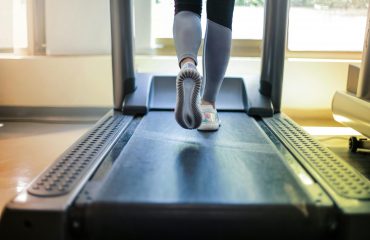
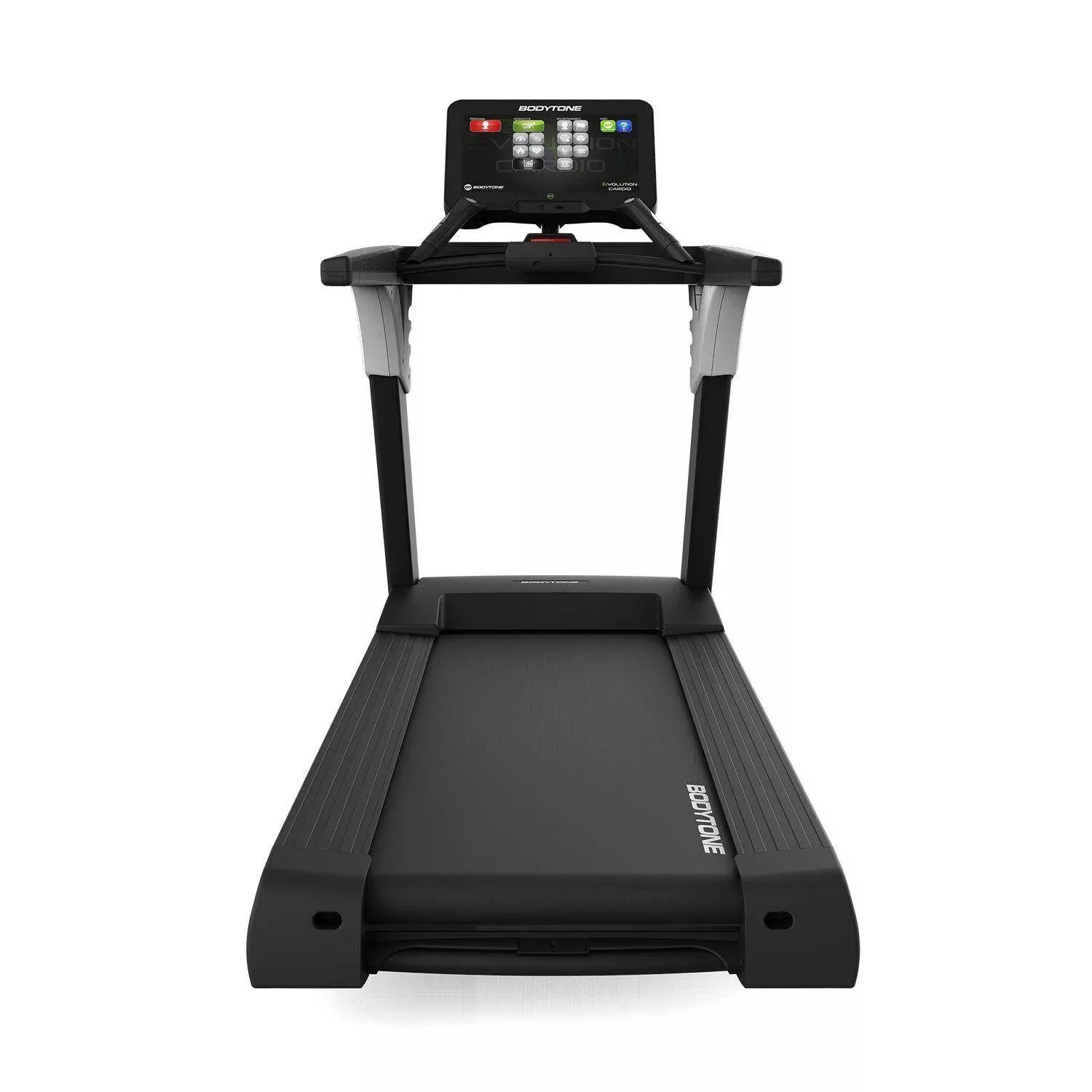
| Treadmill | Running belt, deck, rollers, drive belt, electronics | Belt tension and centring, deck wear and lubrication, motor temperature and noise, incline mechanism travel |
| Indoor cycling and upright bikes | Crank assembly, drive belt, resistance unit, saddle and adjustment axles | Play in the crank, resistance progression across the range, security of saddle and handlebar clamps |
| Recumbent bikes | Seat rail and adjustment mechanism, drive belt, resistance unit | Smoothness and locking of the seat adjustment, which is used at every session |
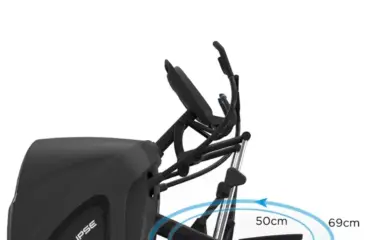
| Cross trainer | Bearings, articulations, pedal surfaces | Bearing noise, lateral play in the arms, flywheel smoothness, pedal grip wear |
| Rower | Rail, rope or chain, pulleys and rollers | Rail cleanliness and glide, chain or strap wear, handle security, seat roller condition |
| Stair climber | Step chain, drive components, handrails | Step regularity, chain tension, handrail fixings, noise level |
| Air bike and ski ergometer | Fan drive, belt or chain, handle attachments | Frame stability under sprint effort, drive component wear, cable and strap condition |
The purchasing lesson from this table is that the best machine to buy is the one whose parts are available and easy to replace. Two machines with identical data sheets can behave very differently over ten years depending on whether a roller or a resistance unit arrives in three days or three months, so ask about stock holding and lead times before ordering, not after a breakdown.
Diagnosing common symptoms before calling a technician
| Symptom | Likely cause | First action |
|---|---|---|
| Treadmill belt hesitates or surges under load | Belt tension, deck friction from lack of lubrication, or drive belt wear | Take the machine out of service, check tension and lubrication, then call the technician if it persists |
| Belt drifting to one side | Belt centring adjustment or an unlevel machine | Check levelling feet first, then adjust centring to the manufacturer procedure |
| Knocking or grinding on a cross trainer | Bearing wear or a loose articulation | Withdraw from service; bearing noise gets rapidly worse and can damage the frame |
| Rower seat rolling roughly | Debris on the rail or worn rollers | Clean the rail thoroughly, then inspect the rollers |
| Console blank or intermittent | Loose connection, sensor failure, or battery on self powered machines | Check connections and power source before assuming a console fault |
| Machine moves during use | Levelling feet, worn floor pads, or an unsuitable floor build up | Level the machine and check the flooring underneath it |
Floor, power supply and layout affect maintenance too
A large part of maintenance cost is set at the installation stage. Machines standing on an unstable or uneven floor develop play and noise faster. Rubber gym flooring tiles under the cardio line give stability, grip, easier cleaning and reduced vibration transmission, which matters in hotels and on upper floors.
Electrical supply matters too. Motorised machines need a supply sized for the load, and a bank of treadmills sharing a circuit with other equipment will trip it. Distributing extension leads across a cardio row creates both a safety risk and a maintenance nuisance.
Finally, leave technician access. Many cardio machines are serviced from the rear or the side, and a row pushed tight against a wall turns every routine service into a machine handling operation, which slows the work and increases the risk of damage.
Frequently asked questions
How often should a technician inspect commercial cardio equipment?
Quarterly for a commercial site with normal traffic. Very high traffic installations, or sites running long opening hours, benefit from more frequent visits. Daily cleaning and weekly checks remain the responsibility of the floor team between visits.
Which spare parts are worth holding on site?
The fast moving consumables for your busiest machines: treadmill lubricant, safety keys, pedal straps, seat rollers and rail cleaning materials. Larger components such as rollers, resistance units and consoles are held by the supplier, which is why lead times should be agreed before purchase.
Does maintenance affect the warranty?
Yes. Warranties exclude normal wear and damage resulting from a failure to follow the servicing schedule. Keeping a dated maintenance log protects the claim, and it is the first document requested when a fault is reported.
Should spare parts come from the original manufacturer?
Yes, or from an approved supplier. Compatibility and performance are not guaranteed with unapproved parts, and fitting them can void the remaining warranty on the machine.
What should be checked on delivery?
Photograph any packaging damage before unpacking, test the essential functions, check stability and noise once positioned, and file the instruction manual, maintenance schedule and warranty documents. Faults recorded on the day of delivery are far easier to resolve than faults reported weeks later.
Set up a maintenance plan with Light In Fitness
Light In Fitness has supplied professional cardio and strength equipment from Tours, France since 2013, with more than 2 000 references, stock shipping in 5 to 10 working days and warranties of 2 to 5 years depending on the range. We size the fleet on your real peak hour traffic and set out the servicing plan alongside the quotation.
See our professional cardio machines and our after sales and spare parts service, or request a quote and receive a costed proposal within 24 working hours.
Réalisations documentées
- Dalles et sols sportifs : livraisons documentées – plusieurs chantiers
- Sol sportif extérieur, square Georges-Vallerey – Taverny (95)
- Functional Rig inox – installations sur trois continents
- iGreenMill, tapis de course extérieur – installations sur trois continents
Sources et références
- NF EN ISO 20957-1 – équipement d’entraînement fixe, partie 1 : exigences générales de sécurité et méthodes d’essai (AFNOR)
- AFNOR Normalisation – dossier thématique sur les appareils d’entraînement fixes et leurs classes d’usage