Minimum Age for Gym Access: A Guide for Operators
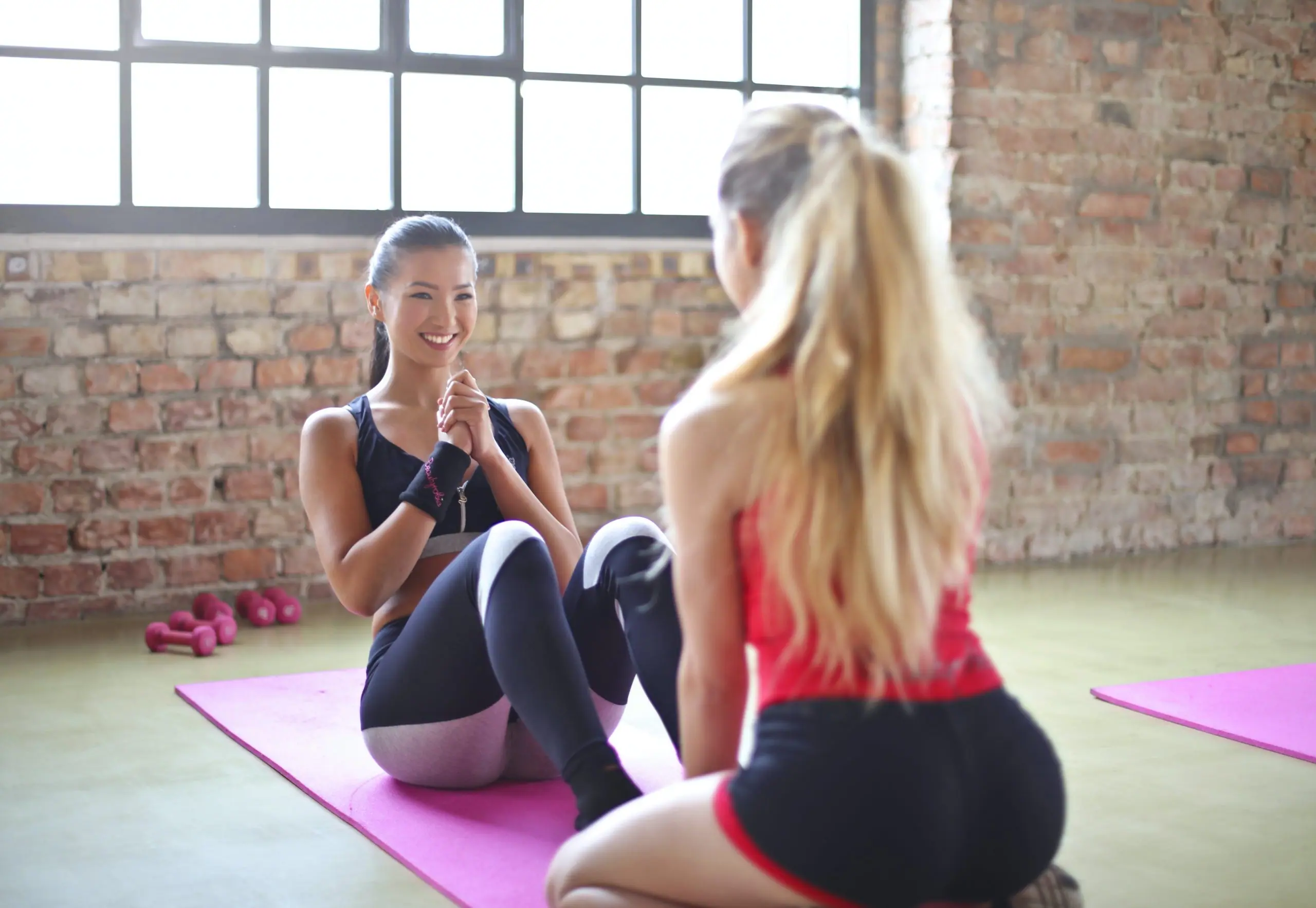
There is no universal legal age for joining a gym. Professional facilities welcome members from childhood through to advanced age, but the equipment a member may use, and the supervision that must go with it, changes considerably along the way. For an operator the real question is not how old a member must be, but which activities, which machines and which level of coaching belong to which age. This guide sets out the thresholds used across professional facilities and what they mean for your floor plan.
No fixed legal age, but a clear duty of care
Age rules for gym access are set by national regulation, by your insurer and by your own internal policy rather than by a single European rule. Whatever framework applies to your site, the underlying principle is the same everywhere: the operator must be able to show that the activity offered matches the physical maturity of the member and that supervision is proportionate to the risk. Written into your membership terms, a clear age policy protects the member, the coach and the business.
In practice that means three distinct populations on the same floor: children, for whom the priority is coordination and enjoyment; teenagers, who can train with load provided they are supervised; and adults of every age, for whom the limiting factor is medical rather than chronological.
Under 16: coordination before load
The working benchmark used by most professional operators is 16 years old for full, independent access to the strength and cardio floor. Below that age, the sensible offer is a supervised group programme rather than free access to loaded machines: gymnastics, dance, yoga, judo and similar age-appropriate classes. These activities build coordination, balance and body awareness, and they are structured around enjoyment rather than intense resistance training.
For clubs, municipalities and schools that want a genuine offer for younger users without opening the weights room to them, dedicated ranges exist. Purpose-built outdoor fitness equipment for children is designed and certified for that age group and keeps young users on equipment sized for them.
Teenagers: strength training is beneficial when it is supervised
Resistance training is not off-limits to adolescents. Done properly it supports bone density, posture and confidence. The condition is supervision: a coach or qualified instructor must be present, and the priority in the first months is technique, not load. A teenage member should learn the basic movement patterns, follow a programme written for their age and stay well inside their physical limits.
Group classes are an excellent complement at this age. Cardio sessions, cross-training, dance-based classes and general conditioning improve overall fitness without exposing an immature skeleton to heavy loading. If your teenage membership is growing, that argues for a well-stocked cardio equipment zone and a studio timetable rather than more benches.
Adults and older members: no upper limit
At the other end of the scale there is no upper age limit for joining a gym. What matters is the starting point. Any member, young or old, who is beginning an intensive programme should be encouraged to speak to a health professional first. A doctor can assess current condition, take account of any medical restriction and advise on how to begin. That conversation is worth building into your onboarding rather than leaving to chance.
From there, a professional floor has something for every level. Treadmills, cross trainers, selectorised and plate-loaded machines, free weights and a dedicated conditioning area cover beginners and advanced members alike. Machines with a guided movement path, of the kind found in a professional strength training range, are particularly useful for a mixed-age membership because they constrain the trajectory and make coaching easier.
What an age policy means for your equipment mix
Once you have defined who trains on what, the equipment brief follows. A site with a large family membership needs a bigger studio and a broader cardio bank; a site aimed at adults and serious lifters needs racks, benches and plate-loaded stations. Most facilities sit somewhere in between and need both, laid out so that supervised and unsupervised zones are visibly separate.
Durability matters more than it looks. Equipment used across a wide age range sees very varied technique, so specify machines built for continuous professional use in a commercial environment: a professional treadmill such as the Bodytone EVOT2 is designed for that duty cycle, where a lighter machine is not.
Changing rooms, showers, sauna and relaxation areas complete the picture. They are not an afterthought: for older members in particular, recovery facilities are often the reason a membership is renewed.
Frequently asked questions
At what age can someone train unsupervised in a gym?
Sixteen is the benchmark most professional operators use for full, independent access to the strength and cardio floor. Younger members should train within a supervised, age-appropriate programme.
Can children use fitness equipment at all?
Not the adult strength and cardio range. Children are better served by group classes built around coordination and play, or by outdoor fitness equipment specifically designed and certified for their age group.
Is strength training safe for teenagers?
Yes, when it is supervised by a coach or qualified instructor, built on correct technique and programmed for the age of the member rather than copied from an adult routine.
Is there an upper age limit for gym membership?
No. There is no upper limit. Older members starting an intensive programme should consult a health professional first and progress gradually.
Equipping a gym for every age
A clear age policy and the right equipment mix go together. Light In Fitness supplies and installs professional fitness equipment for clubs, hotels, municipalities, schools and rehabilitation centres, from the layout study through to commissioning on site. Tell us who trains in your facility and we will build the equipment list around them: request a quote.