How to Train in a Gym: Training Tips for Beginners
Training in a gym brings clear benefits: greater strength, better endurance, reduced body fat and improved overall physical condition. Reaching those results depends on knowing how to train properly. The guidance below covers the starting points every beginner needs, and it is written so that a club manager, a hotel operator or a corporate fitness coordinator can turn it into an induction routine and an equipment plan for their own floor. Beginners are the members most likely to leave in the first three months, and almost always for the same reasons: no plan, no technique and no visible progress.
How to start training in a gym
Training in a gym is an excellent way to improve physical condition, build muscle, reach the body shape you are aiming for and improve general wellbeing. For a beginner, the priority is to build solid foundations. Where to start:
- Set your training goals. Decide whether you want to build muscle, increase strength, improve general condition or lose weight. Goals need to be realistic and measurable so that they keep you motivated and focused.
- Build a training plan. Decide how many days a week you will train. To begin with, three sessions a week are enough. Beginners are advised to start with general development training, for example a full body workout, which engages all the main muscle groups.
- Invest in training clothing and footwear. Choose technical fabrics with breathable properties that wick away excess moisture and keep you comfortable. Flexible fabric matters too: it gives full freedom of movement and avoids skin irritation. A pair of shoes matched to the type of training, whether strength work or fitness classes, provides the cushioning and foot support the session requires.
- Learn correct technique. This is the decisive point for avoiding injury and getting results. Several sessions with a certified personal trainer are worth the investment: they will show you how to perform the key exercises, what to focus on and how to select the load.
- Start with light weights. Use loads that allow you to perform the movement with correct form and technique. Once the technique is established, increase the weights gradually.
- Warm up. Begin every session with a warm-up to prepare muscles and joints for the work and to reduce injury risk.
- Combine strength and cardio. Pairing strength training with cardiovascular work, for example running on a treadmill or riding a stationary bike, is effective for building strength while improving cardiovascular fitness.
- Listen to your body. Avoid overtraining and allow time to rest and recover. Sufficient sleep and rest days after training matter. If a movement causes pain beyond ordinary muscle soreness, change the exercise or consult a doctor.
- Mind hydration and nutrition. Adequate hydration and a healthy, balanced diet are essential to keep the body in good condition during training, recovery, muscle growth and overall performance.
- Track your progress. Recording sessions and following progress is motivating and helps adapt the exercises to your needs. Changing the programme regularly helps avoid plateaus and increases effectiveness. Progress takes time and patience.
- Be consistent. Regularity and consistency are the key to reaching training goals over the long term.
How many sessions a week should a beginner do?
The number of weekly sessions for beginners, or for anyone returning to physical activity after a long break, depends on several factors: health, current fitness, training goals and available time. Someone aiming to gain muscle mass may need to train more frequently and more intensely, while someone whose goal is general condition may find that fewer sessions at low or moderate intensity are enough. If you are unsure, a personal trainer can adapt the plan to individual needs.
Training three to four times a week is often the recommended frequency for beginners. That arrangement leaves enough time to recover between sessions, which matters for avoiding overtraining.
For a complete beginner, or for anyone with little time available, two to three sessions a week is a sound starting point. That frequency is enough to begin the strengthening and conditioning process properly.
Quality of training matters as much as frequency. It is not always about quantity, but about correct exercise technique, controlled intensity and progression. Safety and health come first, so do not overdo it at the start and let the body adapt to the new programme. If you feel excessive fatigue or muscle pain, take a break. Regularity is important, but not at the expense of health.
How long should a beginner session last?
Session duration varies with the training goal, the level reached, the time available and the programme itself. A longer session does not always mean better results. What counts is performing exercises with correct technique, controlled intensity and rest between sets. The higher the intensity, the shorter the session should be, and the reverse also holds. A proper warm-up and post-session stretching add to the total time on the floor.
| Profile | Session duration |
|---|---|
| Starting out in the gym | 30 to 45 minutes |
| Some experience, more varied sessions or higher endurance | 45 to 60 minutes |
| Complete session with in-depth strength work plus endurance, balance or mobility exercises | 60 to 90 minutes |
These figures are useful well beyond the individual member. They tell an operator how long a station is occupied, and therefore how many machines a peak hour actually requires.
Choose a full body workout to begin with
Full body workout training engages many muscle groups in a single session, which makes it a sound choice for starting out in a gym. It is an effective way to develop strength, endurance and overall physical condition.
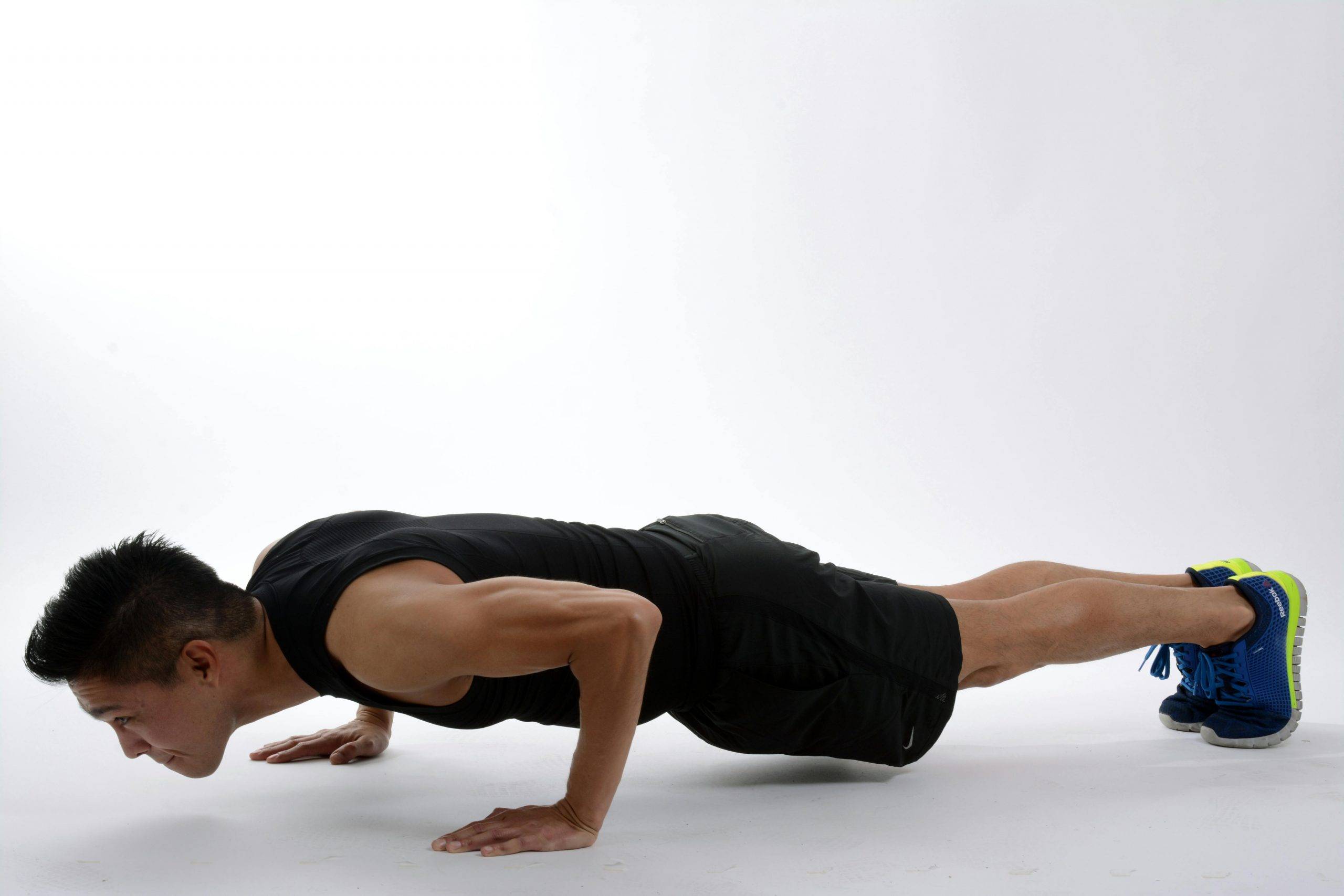
In a full body workout, focus on the base exercises that recruit several muscle groups at once: squats, deadlifts, flat bench press, overhead dumbbell presses, push-ups and planks. Use light weights at the start to learn the correct technique. As confidence grows, increase the loads gradually. Perform three to four sets of each exercise, ten to twelve repetitions, with one to two minutes of rest between sets. The range of exercises and the training intensity ultimately depend on individual condition and needs.
Starting out can be difficult and a lack of motivation is normal. Everyone has bad days; what matters is not giving up altogether and returning to regular activity even when it takes more effort. Everyone is different, too, and the programme followed by the person training next to you may not work for you.
What a beginner-friendly floor requires
A facility that wants to retain beginners has to make three equipment decisions before the first member walks in.
Guided movement first. Selectorised machines with fine weight increments and adjustable ranges of movement let a beginner train with correct technique from day one, which is exactly what the advice above calls for. Our professional strength training machines cover selectorised, plate loaded and free weight configurations, so the same room can serve a first-week member and an experienced one. Indoor equipment should meet EN ISO 20957-1 class S, the class intended for supervised professional environments.
Cardio capacity that matches the timetable. If beginners are advised to combine strength work with treadmill or bike sessions, cardio stations become the bottleneck at peak hours. Our professional treadmills are built for continuous duty rather than intermittent use.
Flooring that lets beginners work safely. Free weight and functional zones need surfaces suited to dropped loads and stable footing. Our rubber gym flooring tiles cover the thicknesses used in strength and functional areas. If you are planning a facility from scratch, our guide to equipping a gym works through zoning, equipment count and budget.
Frequently asked questions
How many times a week should a complete beginner train?
Two to three sessions a week for a complete beginner or anyone with limited time; three to four is the frequency generally recommended for beginners, since it leaves enough recovery between sessions.
How long should a first session last?
Thirty to forty-five minutes is enough when starting out. Forty-five to sixty minutes suits someone with some experience, and sixty to ninety minutes a complete session combining in-depth strength work with endurance, balance or mobility exercises.
What is the best programme format for a beginner?
A full body workout, built around squats, deadlifts, flat bench press, overhead dumbbell presses, push-ups and planks, with three to four sets of ten to twelve repetitions and one to two minutes of rest between sets.
How should a club structure its beginner induction?
A technique session with a qualified trainer before first unsupervised use, a written full body plan for the first weeks, a follow-up appointment to adjust loads, and machines with increments small enough that the first progression is achievable. Those four elements cover most of what drives early retention.
Planning your facility
Beginner advice and equipment decisions are the same subject seen from two sides. Sessions of thirty to ninety minutes, three to four times a week, built on full body work with light initial loads, tell you how many machines you need, which load increments to specify and how much supervised time to plan for.
Light In Fitness has been designing and supplying professional fitness equipment since 2013 for clubs, hotels, local authorities, companies and rehabilitation centres. Tell us your floor area, your member profile and your opening hours, and we will put together a configuration that matches. Request a quote and our team will come back to you with a costed proposal.