How to Set Up a Fitness Gym: The Complete Guide

Setting up a fitness gym looks daunting on paper, yet it comes down to a short sequence of decisions taken in the right order: what the club is for, who it serves, how the floor area is divided, and which equipment can survive commercial opening hours. Get that order right and the fit-out becomes a budgeting exercise rather than a gamble.
Start with the concept, not the catalogue
Before a single machine is specified, define the activities the club will offer and the membership it is built for. A neighbourhood club with long opening hours, a boutique studio built around group classes and a hotel or residential facility used a few hours a day are three different briefs, and they lead to three different equipment lists. A diversified offer built on several exercise formats is what keeps a membership base broad enough to be viable, so decide early how many formats you can genuinely staff and maintain.
Zoning the floor area
Most viable layouts separate four zones: free weights and resistance machines, cardio, a dedicated studio for group classes, and circulation with reception, changing rooms and storage. Keeping the studio physically separate matters more than its size: classes generate noise and need a clear floor, and sharing that space with the training floor degrades both. Circulation and equipment spacing are not wasted metres, they are what allows the club to run at capacity without members queuing or colliding.
The strength area
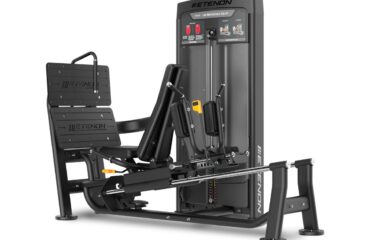
A strength area has to address every major muscle group, which in practice means combining selectorised machines, plate-loaded stations, racks and a genuine free-weight zone with benches and barbells. Machines guide beginners safely and carry the bulk of daytime traffic; free weights serve the experienced members who set the reputation of the club. Specify equipment built for continuous commercial use and certified to EN ISO 20957-1 class S, the professional class for indoor equipment, and plan the maintenance schedule at the same time as the purchase: durability and safety are the same conversation. Our range of professional strength training machines is built for that duty cycle.
The cardio area
The cardio floor is where a club is judged on its first visit. Treadmills, cross trainers, exercise bikes, rowing machines and stair climbers cover the full range of member profiles, from the deconditioned beginner working on cardiovascular endurance to the athlete doing interval work. Mixing impact and low-impact machines is what lets the same room serve both. Plan the electrical supply and the ventilation of that zone with the layout, not afterwards, and see the full professional cardio equipment selection when you build the list.
Group classes and coaching
Group programming is the cheapest way to widen the offer once the studio exists. Formats such as Pilates, indoor cycling, boxing, cross-training, stretching, core and glute work, aerobics and dance-based classes each attract a different segment, and running them at several difficulty levels is what turns a trial member into a subscriber. None of it works without qualified coaches: professional advice, a proper warm-up protocol and individual programmes are the difference between a room full of equipment and a club.
Wet area and wellness
Where the building and the budget allow it, an aquatic zone opens up water-based classes, and a relaxation area with sauna and steam room extends the average visit and the perceived value of the membership. Both are heavy on building services and compliance, so they belong in the first drawings or not at all.
Flooring, safety and compliance
Flooring is the one line of the budget that is almost always underestimated. It protects the slab, absorbs dropped loads, controls impact noise between zones and defines how the club looks once the machines are in. Free-weight and lifting areas need thicker, denser rubber gym flooring than cardio rows, and any specified fire classification must be carried through to the product actually installed. Beyond that, the building itself has to meet the national rules that apply to public sports facilities in your country, covering access, fire safety and evacuation; check them with your local authority before the layout is frozen.
Memberships, opening hours and running the club
Pricing and access policy are part of the design. Unlimited access with wide opening hours suits a low-cost, high-volume model; shorter staffed hours with premium coaching suits a smaller club with a higher price point. What matters is that the model, the opening hours and the equipment density agree with each other, because members judge a club on whether they can train when they arrive.
Frequently asked questions
What should be equipped first, strength or cardio?
Neither in isolation. Fit both zones to a usable minimum in the first phase, then deepen the one your membership actually uses. A half-equipped cardio row next to a complete strength floor reads as an unfinished club.
Can domestic or semi-professional equipment be used to open cheaply?
No. Equipment intended for private use is not built for the number of hours a commercial club generates, and it is not covered for that use. Professional equipment certified to EN ISO 20957-1 class S is the entry point for any facility open to the public.
How much space should be left around each machine?
Follow the clearance stated by the manufacturer for each machine, and add the circulation needed for members to pass behind users. Machine spacing is set by the equipment specification, not by a general rule of thumb.
Do group classes need a separate room?
In practice, yes. A studio with a clear floor and its own sound system protects both the class and the training floor, and it is what makes multi-format programming possible.
Planning your project
A fitness gym that works is one where the concept, the zoning, the equipment and the pricing were decided together. Light In Fitness supplies professional fitness equipment to gyms, hotels, clubs, schools and local authorities, and can help you build the equipment list for your floor plan. Request a quote with your surface area and your intended membership, and we will put a costed proposal together.