How to Choose the Right Flooring for a Fitness Facility
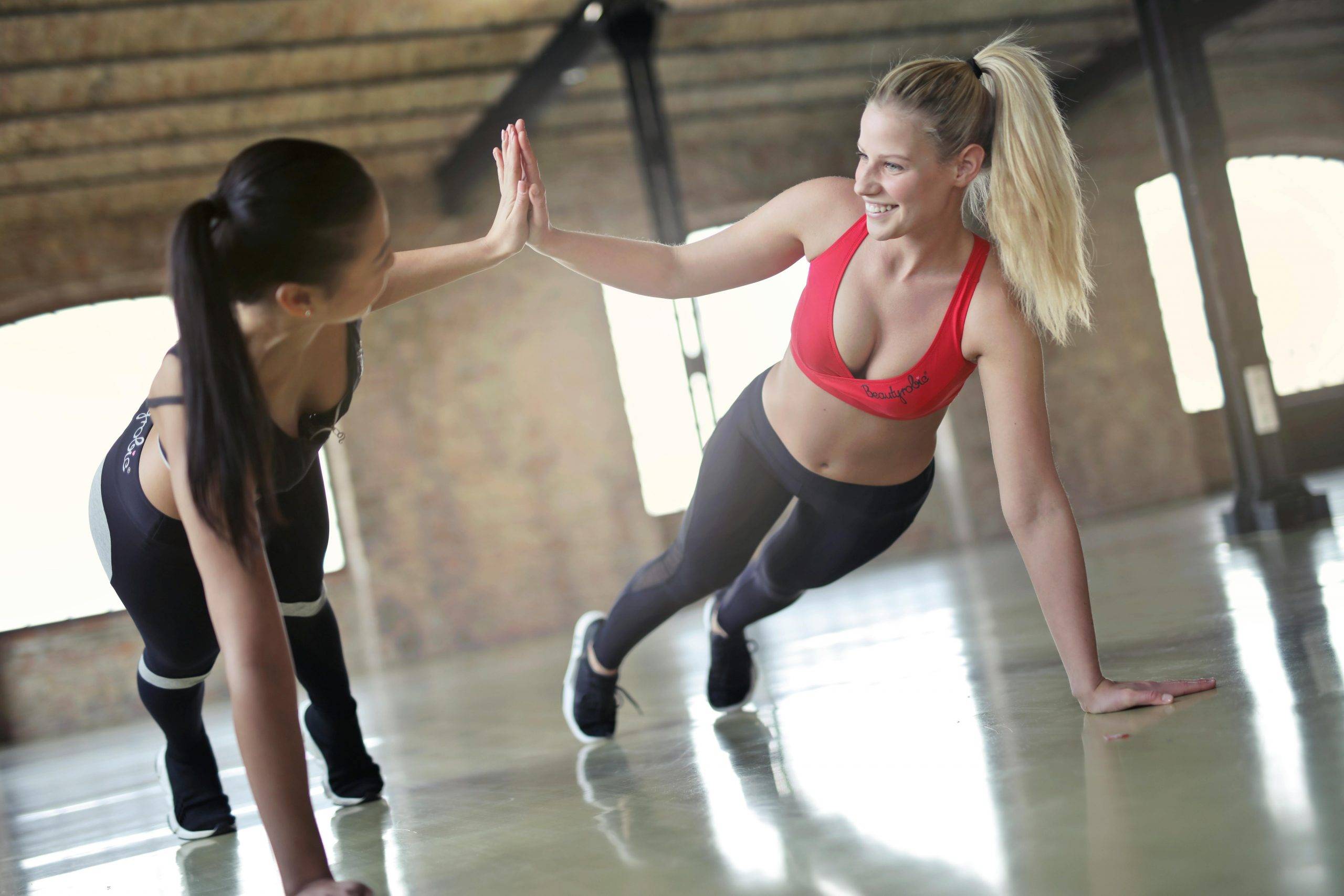
Flooring is the one purchase in a fitness facility that every single member touches, every session, from the first minute. It decides whether the room is safe, whether it is quiet enough for the tenant upstairs, how long the equipment above it lasts, and how much time your staff spend cleaning. It is also the layer that is hardest and most expensive to change once the machines are bolted down.
There is no single best surface. There is a surface that matches the intensity, the humidity and the acoustic constraint of each zone. This guide sets out the criteria a professional buyer should weigh before ordering.
Start with resilience, not with looks
The first rule is to choose a resilient surface. A floor with give reduces the injury risk during athletic movement, and it is the single criterion that should never be traded away for appearance or price. Everything else in this guide is a refinement of that principle.
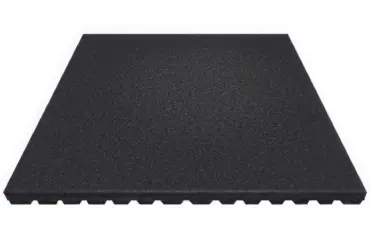
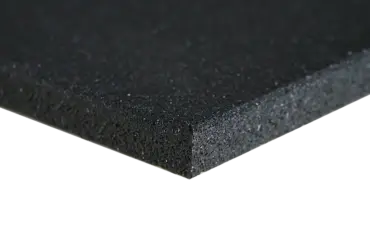
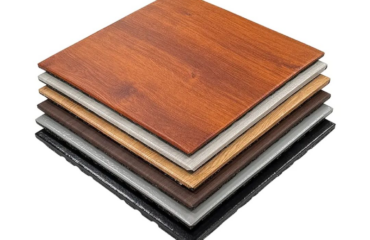
PVC, vinyl and rubber are the materials that answer it best in a fitness setting: they combine impact resistance with wear resistance, which is exactly the pair of properties a training floor demands. They are also available in a wide range of colours and in wood or parquet effect finishes, so a hard-wearing specification no longer forces a utilitarian look. That matters commercially: the floor sets the visual tone of a room before any machine does.
Wear layer and thickness
Thickness is where specifications quietly diverge. What counts is the wear layer: it has to be thick enough to deliver real durability under the traffic you actually have. PVC and vinyl floors are generally offered in several thicknesses, and the right one is selected according to the intensity of use and the footfall of the room.
That is a decision made per zone, not per building. A free-weight area and a stretching area do not receive the same loads and should not receive the same specification. If you are dropping loaded barbells, the surface belongs to a different family entirely; see weightlifting rubber tiles.
Rolls or tiles: the installation question
Two installation formats dominate, and they answer different constraints.
Rolls are easy to lay and are the natural choice for large uninterrupted areas. They do require an underlay to achieve better acoustic insulation and greater impact resistance, so the underlay is part of the specification, not an optional extra. See rubber flooring rolls and acoustic underlay.
PVC tiles can be either interlocking or bonded, which gives more flexibility during installation. Interlocking tiles are quick to lay and can be installed directly over an existing floor, which makes them the pragmatic answer for a refurbishment on a short closure window. Bonded tiles provide better stability and better sound insulation, which makes them the answer where the floor has to stay put under heavy machines or where noise transmission is the binding constraint. Interlocking formats are grouped under interlocking tiles, and the rubber range under rubber gym flooring tiles.
Wet areas
For wet rooms, vinyl and PVC are the recommended families: they resist moisture and they are easy to maintain. This applies to changing areas, poolside circulation and any zone where water is present as a matter of routine rather than by accident. Choosing on aesthetics alone in these areas is what produces lifting seams within two seasons.
High-abrasion and technical zones
Epoxy resin floors offer excellent resistance to chemicals and to abrasion, which makes them a strong choice for industrial floors and for zones under very high intensity of use. They are not a resilient surface in the sense described above, so they belong in plant rooms, storage and technical areas rather than under a squat rack.
For outdoor courts and multi-sport surfaces the family changes again; see sports court rolls.
Acoustic insulation
Sound is the constraint that closes facilities. PVC, vinyl and rubber are the recommended materials here because they absorb footfall noise and impact noise effectively. Some PVC and vinyl products include an integrated underlay for even better acoustic insulation, which removes a layer from the installation and a line from the schedule.
If you occupy a floor above an occupied space, treat acoustics as a specification input from the first drawing, not as a corrective measure after the first complaint.
Environmental performance
Finally, it is worth choosing a surface with a credible environmental profile. Linoleum, cork and wood are durable and ecological options: they are manufactured from renewable raw materials and they are recyclable. They also offer excellent wear resistance and are easy to maintain. Their place is in studio, group class and reception areas rather than under dropped weight, where the impact requirement dominates every other consideration.
Frequently asked questions
Can I lay a new floor directly over the existing one?
With interlocking tiles, yes, that is one of their main advantages. With bonded tiles or rolls, the existing substrate has to be sound, level and dry first. A subfloor survey before ordering is cheaper than a failed installation.
Which surface should I choose for a free-weight area?
A resilient rubber surface, specified for impact rather than for footfall. The wear layer and the thickness are selected from the loads you actually drop, which is why we ask about your programming before quoting rather than after.
How do I compare two quotes fairly?
Compare the wear layer, not the total thickness; check whether an underlay is included or excluded; and check the fire classification stated on each datasheet, reproduced exactly as the manufacturer states it. Those three lines explain most price gaps.
Do I need a professional installer?
For anything bonded, for wet areas and for large rolls, yes. Correct and safe installation is what turns a good specification into a floor that performs, and it is the step where do-it-yourself savings are most often lost within a year.
Specifying your floor
Choosing a fitness floor means weighing impact resistance, acoustic insulation, ease of maintenance, durability and environmental performance together, then applying the result zone by zone. PVC, vinyl, rubber, linoleum and wood are all options worth considering depending on the specific needs of each space.
Send us your floor plan, your zoning and your acoustic constraint and we will specify each area with you: request a quote.
Réalisations documentées
- Dalles et sols sportifs : livraisons documentées – plusieurs chantiers
- Sol sportif extérieur, square Georges-Vallerey – Taverny (95)