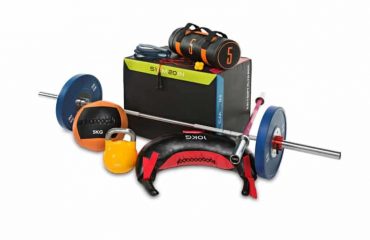
Fitness or Strength Training: What Is the Difference?
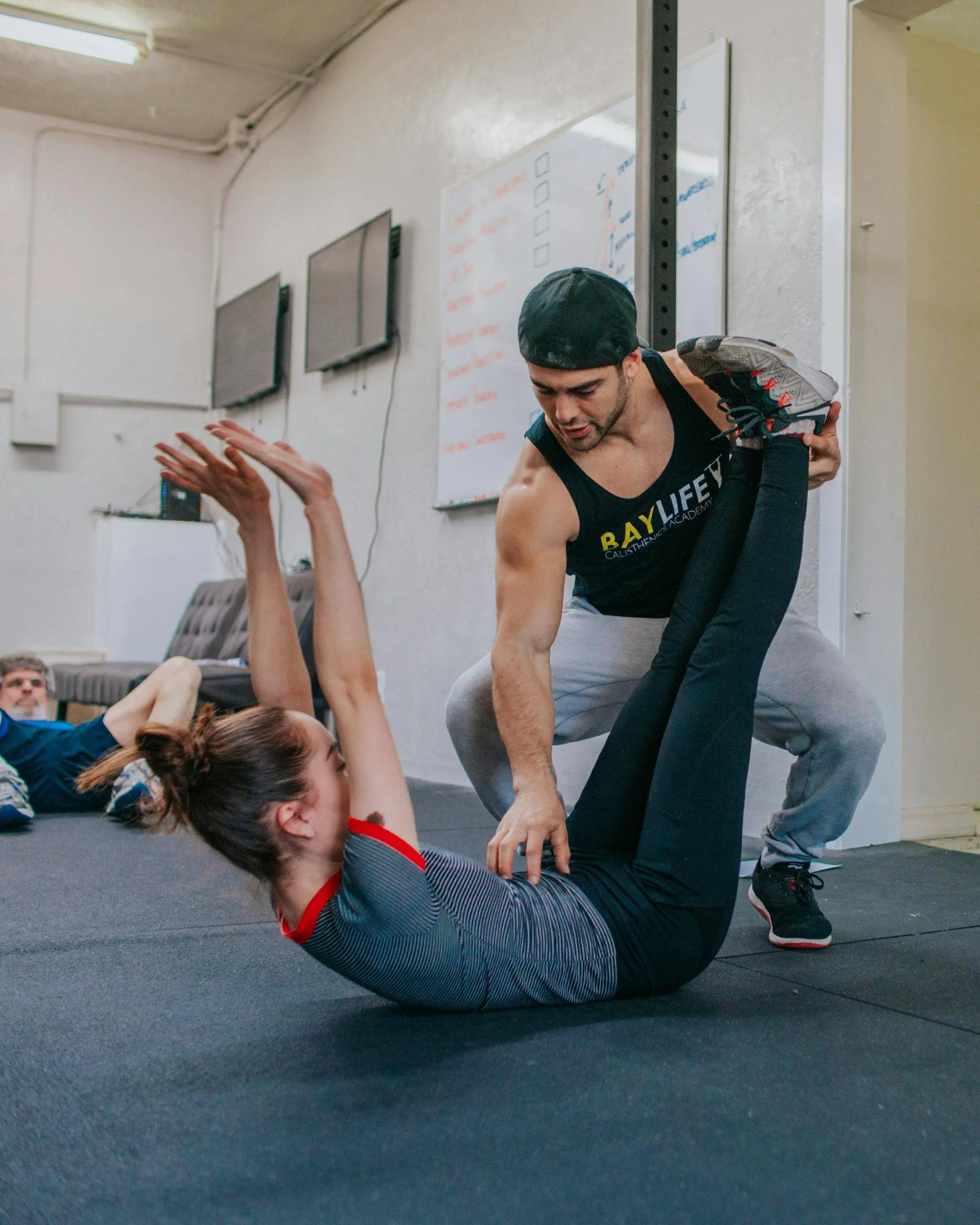
In short: fitness covers everything aimed at overall physical condition, including cardiovascular work, endurance, flexibility and core stability. Strength training is aimed specifically at building muscle mass and strength. Fitness uses cardio and light resistance work; strength training uses heavy, progressive loads. The two are complementary, and any facility that intends to serve a general membership needs both.
The two words are used interchangeably in everyday conversation, and for an individual training on their own that rarely matters. For anyone equipping a facility it matters a great deal, because the two disciplines make different demands on floor area, on flooring, on equipment and on supervision. This article sets out the differences in detail, and what each one implies for the equipment list.
What is fitness?
Fitness, in the broad sense, is a general term covering a wide range of physical activities aimed at improving physical condition and overall health. The focus is the general wellbeing of the body, and the practice combines cardiovascular exercise, muscular reinforcement, stretching and flexibility work.
The different forms of fitness
- Cardiovascular training. Activity that raises the heart rate and improves cardiovascular endurance: running, swimming, cycling, aerobic classes and similar.
- Light resistance work. The use of light weights or resistance to strengthen and tone muscles without building significant muscle mass.
- Flexibility work. Stretching and exercises intended to improve suppleness and joint mobility.
- Group classes. Dance, yoga, Pilates, Zumba and other formats, usually delivered in a group in a motivating environment.
The benefits of fitness
- Improved cardiovascular condition and endurance
- Muscular reinforcement and toning
- Weight loss and weight management
- Improved flexibility and mobility
- Reduced stress and anxiety
- Better sleep quality
- Stronger bones and prevention of osteoporosis
- Reduced risk of chronic disease, including heart disease, type 2 diabetes and certain cancers
On the floor, this translates into a cardio zone. A row of treadmills, bikes, cross-trainers and rowers plus an open matted area for classes and mobility work is the classic layout, and the full range of professional cardio equipment is built for the duty cycle a commercial facility demands.
What is strength training?
Strength training, in its bodybuilding sense, is a discipline focused on developing and reinforcing the muscles. Unlike fitness, which aims at overall physical condition, it concentrates mainly on the aesthetic dimension and on building muscle mass.
The different forms of strength training
- Traditional strength training. The use of free weights such as dumbbells and barbells, together with specific machines, to target and develop particular muscle groups.
- Bodyweight training. Push-ups, pull-ups, squats and lunges, using body weight as the resistance to build strength and muscle mass.
- Competitive bodybuilding. Professional competitors following a highly rigorous training and nutrition programme to reach extreme muscular definition.
The benefits of strength training
- Muscle development and reinforcement
- Improved strength and power
- Better posture and balance
- Increased bone density
- Improved self-esteem and confidence
- Reduced risk of injury
- Improved body composition, with lower body fat and higher muscle mass
On the floor, this is the zone with the heaviest structural demands: selectorised machines, plate-loaded machines, racks, benches and free weights. The full range of professional strength training machines is specified to EN ISO 20957-1 class S, the class intended for supervised facilities, which is what commercial use requires.
What is the difference between fitness and strength training?
With both disciplines defined, the main differences are these.
| Fitness | Strength training | |
|---|---|---|
| Goals | Improve overall physical condition and health | Develop and reinforce muscle |
| Intensity | Often moderate to intense cardiovascular work | Can be more intense, with heavy loads and repeated sets |
| Muscle mass | Tones and strengthens, without targeting significant mass | Directly aimed at building muscle mass |
| Aesthetics | Focused on health and general wellbeing | Emphasis on physical appearance and muscular definition |
| Programme | A variety of physical activities | Specific muscular reinforcement exercises |
| Nutrition | Balanced eating to maintain overall health | Often strict diets with high protein intake |
What this means when you are equipping a facility
The distinction is not academic once you are drawing a floor plan. Three practical consequences follow from it.
Flooring. A cardio zone needs a surface that damps machine vibration and noise. A strength zone needs a build-up that absorbs dropped loads and protects the slab. These are two different specifications, and running one across the whole floor either overspends on the cardio side or fails on the strength side.
Space per user. Cardio capacity is easy to calculate, because each machine serves one person. Strength capacity is not: a rack serves one lifter but occupies a safety envelope, and free weight areas need circulation space that does not appear on any equipment datasheet.
Supervision. Cardio equipment is largely self-explanatory. Heavy strength work is not, and the supervision model, sightlines and induction process should be settled before the equipment arrives rather than after.
Frequently asked questions
Which is better for weight loss, fitness or strength training?
Both can be effective, and they work differently. Cardiovascular exercise burns calories and supports weight loss directly. Strength training raises resting metabolism by building muscle mass, which means more calories burned even at rest. Combining the two gives the best results for weight loss and muscle tone together.
Can fitness training build muscle mass?
Fitness is not primarily aimed at building mass, but it does strengthen and tone. Some forms, such as light resistance work, stimulate muscle growth to a degree. If significant muscle mass is the main goal, strength training is the appropriate route.
Can the two be practised together?
Yes, and most people do. Combining strength work with cardiovascular activity and flexibility exercises improves overall condition, develops muscle and maintains general health. For an operator, this is precisely why a single-discipline floor plan usually underperforms.
How long should a session last?
It depends on goals and on current condition. As a general guide, a cardiovascular session runs 30 to 60 minutes, and a strength session 45 minutes to an hour. Quality of training matters more than duration: short and intense beats long and unfocused.
What are the risks of strength training?
Poor exercise technique can cause muscular, joint or ligament injury, which is why proper coaching in technique matters. Heavy loads increase the risk when they are handled incorrectly, so safety instructions and gradual progression are essential. For an operator, that means induction, supervision and correctly specified equipment, not a warning sign on the wall.
Are fitness and strength training suitable at every age?
Both can be practised at any age, provided the exercises are adapted to individual physical capacity. Anyone starting an exercise programme, and older adults or people with pre-existing health conditions in particular, should consult a health professional or a qualified trainer first, who can propose exercises matched to their condition.
Conclusion
Fitness and strength training are two distinct disciplines with real differences. Fitness aims at overall physical condition and health; strength training concentrates on muscular development and the aesthetic dimension. Both bring substantial health benefits and work well together. For a facility, the practical conclusion is that the two zones are specified separately, in equipment, in flooring and in supervision, and then planned as one floor.
Light In Fitness has supplied professional fitness equipment since 2013 to gyms, hotels, clubs, local authorities, armed forces sites and rehabilitation centres. Send us your floor dimensions, your expected membership profile and your budget, and we will return a zoned layout with a matched equipment list. Request a quote for your project.