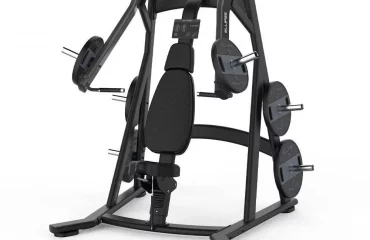
Leg curl machine: safe hamstring training on a commercial floor
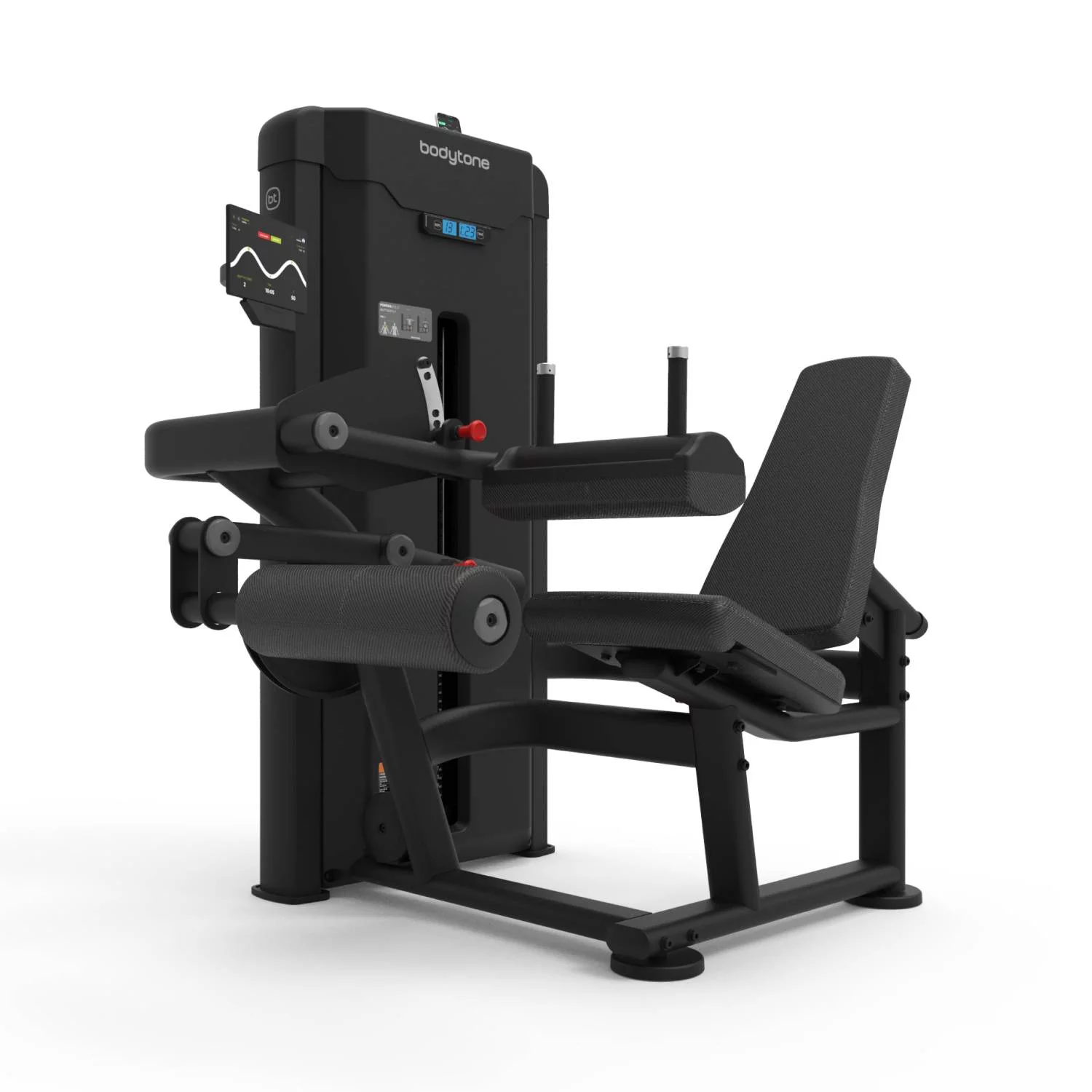
The leg curl is the only machine on a commercial floor that isolates knee flexion under guided load. That makes it the reference station for hamstring work in clubs, performance gyms, hotel fitness rooms and rehabilitation centres. This guide covers what it trains, why the muscle group matters for an operator, and how to specify a unit that survives commercial use.
Muscles worked
- Hamstrings: semitendinosus, semimembranosus and biceps femoris
- The posterior chain of the thigh as a whole
- Calves, as secondary stabilisers
Why the machine earns its floor space
- Guided, constrained movement that limits the technical error a user can make without supervision
- Ergonomic seat and pads that hold the pelvis and thigh in position so the load reaches the target muscle
- Adjustable load in fine increments, so the same station serves a beginner and a competitive athlete
- Several execution variants depending on the model chosen, which keeps programming varied
- Immediate usability, which matters in any facility where induction time is short
Why hamstring training matters to your members
Performance. Sprinting, jumping and change of direction load the hamstrings eccentrically. Any club serving running, football, rugby or field sport athletes will see this station in constant use.
Injury prevention. The hamstrings act as antagonists to the quadriceps and contribute to knee joint stability. A floor with leg extension and leg press but no leg curl builds precisely the imbalance that operators later hear about.
Muscular balance. Harmonious development of the front and back of the thigh is what a coach looks for in an equipment list, and it is a straightforward argument in a sales conversation with a prospective member.
Posture. Hamstring condition influences pelvic position and, through it, lumbar comfort.
Aesthetics. Shaped, defined legs remain one of the most requested outcomes in any commercial gym.
Seated, lying or standing: choosing the format
The seated leg curl works with the hip flexed, which places the hamstrings under a different length tension relationship than the lying version, where the hip is extended. The lying, or prone, curl is the classic format and generally the most compact. A standing single leg unit isolates one side at a time and is common where unilateral deficits are being corrected. Most commercial floors carry the seated or the lying version, and larger clubs carry both.
Our reference in the seated format is the Bodytone FH53 seated leg curl. The complete guided load family is listed under selectorised machines.
Specification criteria for a commercial floor
Standard. Indoor equipment in a facility open to users must be built to EN ISO 20957-1 class S. This governs the guarding of moving parts, the stack enclosure and the pinch points around the roller pad, all of which matter on a station where the user is seated with the legs engaged.
Load selection. A selectorised stack changes in seconds and needs no plate handling, which is what a busy floor requires. Plate loaded versions, listed under plate loaded machines, suit performance gyms where heavy training and plate availability are already the norm.
Adjustment range. Back pad travel and roller pad position must accommodate a wide range of femur lengths. This is the single criterion most often underestimated, and the one that decides whether the machine is used by everybody or by a subset of your members.
Wear parts. Cables, bearings, roller pads and upholstery are consumables on a leg curl in commercial use. Confirm availability of spares before ordering rather than after the first failure.
Footprint and access. Plan the clear working perimeter around the seat as well as the machine footprint, and check door and lift dimensions on the delivery route.
Programming the station
Variants include seated, lying and straight leg execution depending on the equipment installed. Intensification methods such as supersets, drop sets and slow tempo work are well suited to a guided station because the load is under control throughout. Warm up and recovery remain part of any programme that uses this station heavily, and complementary work with squats, lunges and hip hinge patterns keeps the posterior chain developing as a whole rather than in isolation.
Frequently asked questions
Seated or lying leg curl for a commercial club?
If you install only one, the choice follows your members: a general fitness membership is well served by the seated version, which is easy to get into and to explain, while performance oriented floors often prefer the lying format. Clubs with the space install both.
Is a leg curl suitable for rehabilitation settings?
Guided knee flexion with a low starting load and fine increments is widely used in rehabilitation, but the protocol belongs to the clinical team. Specify the smallest load increment you need before ordering.
Can beginners use it without supervision?
Yes, provided the pad positions are set correctly. Clear station signage showing seat and roller adjustment prevents most of the misuse seen on this machine.
How many units does a floor need?
Capacity, not exercise coverage, sets the number. One station is standard for a small floor; a club with peak attendance in the leg zone will need to look at simultaneous demand rather than at total membership.
Specifying your machine
Tell us the type of facility, the space available in the leg zone and the load range you need, and we will propose a configuration and a quotation: request a quote.