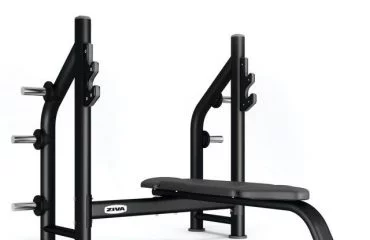
Back Training Zones: Equipping Your Facility for Results
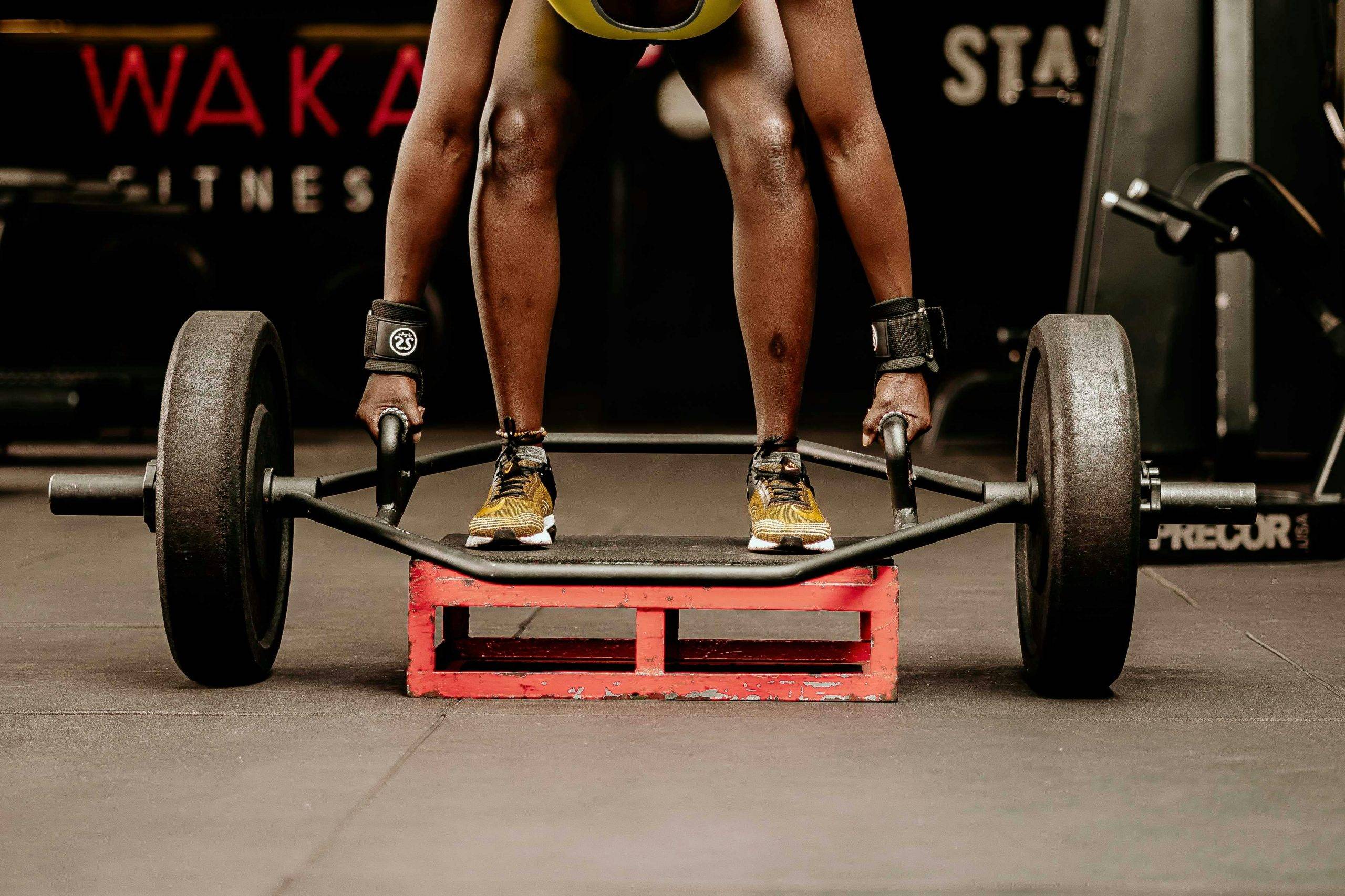
In the wide world of strength training, the back is routinely under-served. Members queue for chest presses while the pulling stations sit idle, and the floor plan quietly reflects that imbalance. For an operator, that is not a training question but a layout and equipment question: what does it actually take to make back work attractive, safe and repeatable in a commercial facility?
Some buyers assume a credible back offer means a wall of loaded machines. It does not. Intelligent variation with resistance bands, solid anchor points and a small number of well chosen pulling stations can transform what a facility offers on back day, at a fraction of the floor space and the capital budget. This article looks at how gym owners, hotel and campsite operators, clubs and rehabilitation centres can build that zone.
Why back development deserves a dedicated zone
Developing the back muscles brings benefits that go well beyond appearance. Working the dorsal muscles improves posture and reinforces the stabilising muscles around the spine, which helps prevent lower-back injuries and improves performance in other lifts. A well developed back also gives an athletic, balanced silhouette, and it contributes to overall strength across every other physical activity a member practises.
For an operator, that translates into three commercial arguments: fewer complaints of back discomfort from desk-bound members, better results on the lifts your coaching team promotes, and a visible reason for members to stay past their third month. A back zone is retention equipment, not decoration.
The basics: effective back work without a machine hall
One of the advantages of back training is that it can be delivered without an elaborate machine park. With a few resistance bands and correct technique, the muscles of the back can be targeted effectively. What the facility has to provide is the fixed infrastructure: a rated anchor point at chest height, a second at waist height, clear floor space behind each anchor, and flooring that keeps the athlete stable under tension.
Seated horizontal row with a band
Attach a band to a fixed bar or a solid anchor point. Hold the band in both hands and step back until the arms are extended in front of the body. Keeping the elbows close to the torso, pull the band towards you while contracting the back muscles. Return slowly to the starting position and repeat.
Inverted row with a band
Fix the band to a fixed bar or a solid anchor point at waist height. Hold the band in both hands and step back until the arms are extended in front of the body. Keeping the elbows close to the torso, pull the band towards you while contracting the back muscles. Return slowly to the starting position and repeat. The lower anchor changes the angle of pull and shifts the emphasis along the back.
The limiting factor here is never the band. It is the anchor. A rig upright, a wall-mounted bar or the frame of a pulling station gives you a fixture rated for repeated loaded use, which a radiator or a door frame does not. This is where the professional strength training machines range and the cable stations earn their place: they double as anchor infrastructure for band work.
Building an effective back session
Once the exercises above are in place, the session structure follows. Here is the routine as programmed, targeting the whole of the back:
| Exercise | Sets | Repetitions |
|---|---|---|
| Horizontal row with band | 3 | 12 |
| Inverted row with band | 3 | 12 |
| Back extension with band | 3 | 12 |
Three exercises, three sets of twelve. For a facility, the useful number is not the volume but the station count: this session occupies one anchor point and roughly four square metres for the duration. Multiply by the number of members you expect at peak hour and you have your specification.
Advanced techniques and what they demand from your equipment
To get more out of back work, coaching teams use drop sets, supersets and tempo training. A drop set means taking a set to muscular failure, then reducing the load and continuing without a pause. A superset means chaining two different exercises for the same muscle group with no rest between them. Tempo training means performing the movement more slowly, holding the muscular contraction for a longer period.
Each of these puts a different demand on the hardware. Drop sets require load that can be changed in seconds, which favours selectorised machines over plate-loaded ones in a busy zone. Supersets require two stations side by side, or one station plus an anchor point. Tempo training is the least demanding on equipment and the most demanding on bearings and cables, because everything is under tension for longer. An assisted pull-up and dip station such as the Power Line assisted pull-up and dip machine covers all three patterns in a single footprint, which is why it is a common first purchase for operators adding a pulling zone.
Nutrition: what your coaching team can reasonably say
Nutrition support is part of the offer in most facilities, and it is also where liability sits. Two points are safe to communicate. First, protein intake matters: proteins are essential to building and repairing muscle, and lean protein sources belong in each meal, whether that is poultry, fish, eggs or pulses. Second, hydration matters, particularly around intense sessions, and water availability on the training floor is an operator decision, not a member one.
Beyond that, individual requirements vary and your coaching team should say so. Detailed intake plans belong to a qualified dietitian, and positioning them as part of a membership creates an exposure most operators do not want.
Frequently asked questions
Can a facility really offer credible back training with bands alone?
Bands deliver the movement patterns, but they need rated anchor infrastructure and they do not replace progressive load for stronger members. The realistic answer for a commercial site is a hybrid: band work for volume and warm-up, one or two pulling stations for load.
How much floor space should be allocated?
Plan for the working area behind each anchor point plus circulation. The figures depend on the station you select and on the layout of the room, so specify them against the technical sheet of the equipment rather than a general rule.
What equipment class is required for commercial use?
Indoor equipment installed in a facility open to members must be class S under EN ISO 20957-1. That is the professional class, and it is what all equipment supplied for commercial installation should carry.
Conclusion: a back zone that earns its floor space
A back offer does not begin with a purchase order for eight machines. It begins with anchor points, floor space and a session your coaching team can actually deliver, then adds pulling stations where load and throughput demand them. Combine intelligent band variation with a small number of professional stations and you cover the full range of back work for a fraction of the space a traditional machine hall requires.
If you are planning or reconfiguring a strength area, send us the room dimensions and the profile of your members and we will specify the zone with you: request a quote.