How to Choose a Rubber Gym Flooring Supplier
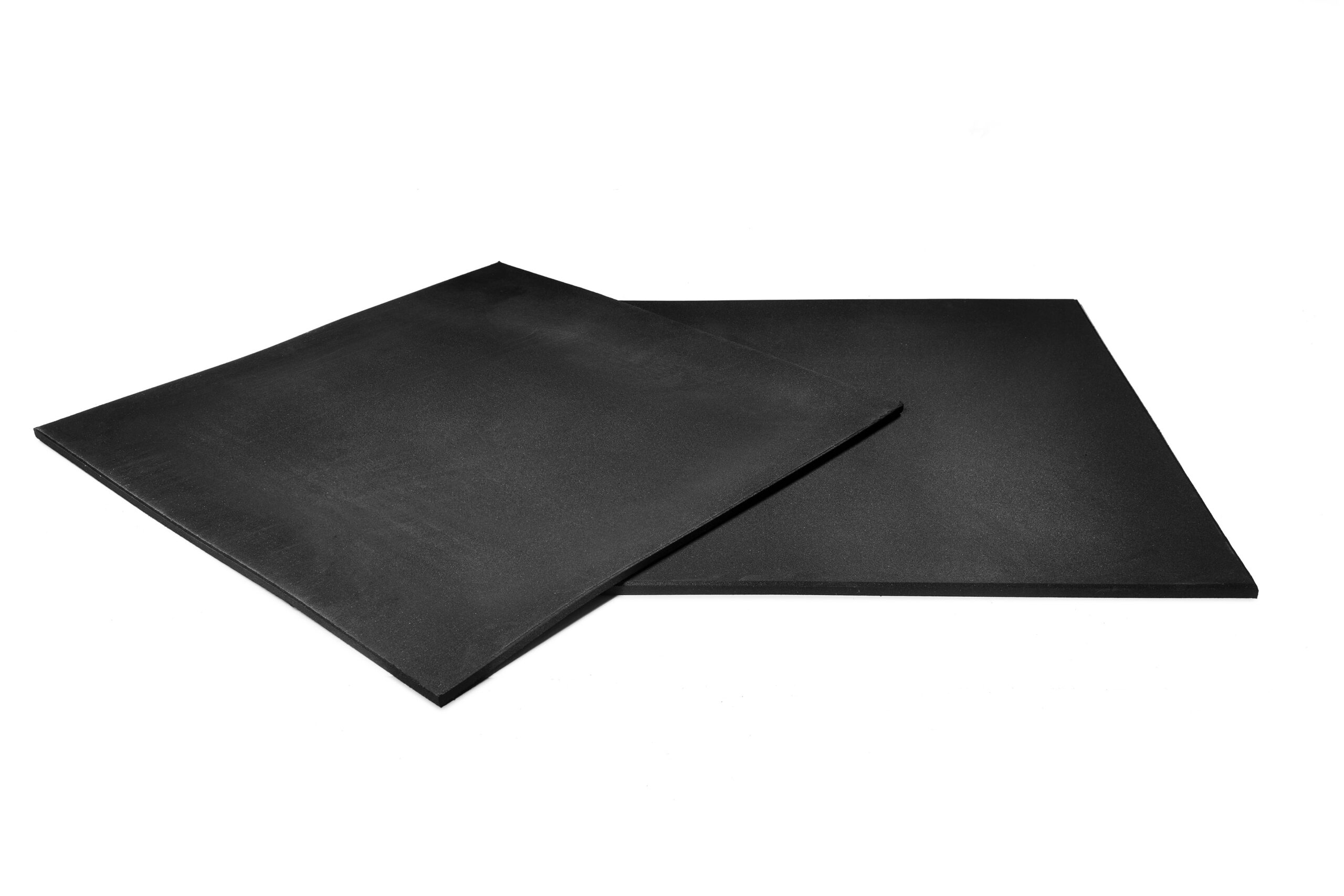
Finding a reliable supplier of rubber flooring tiles is a step most gym projects underestimate. The tile decides how the floor sounds, how it wears, how it is cleaned and how long it lasts under dropped weights. Here is a practical method for identifying a supplier and comparing what they offer, whether you are fitting out a training area, a functional zone or a heavy-loading platform.
Define the specification first
Before contacting anyone, describe the floor you actually need. Rubber tiles are used across very different environments, from industrial floors to commercial training areas, and the specification changes with the use. They give good acoustic insulation and strong resistance to impact and wear, which is what makes them the reference for busy areas and for zones exposed to moisture. Write down three things: the loading the floor will take, the acoustic requirement of the building, and the cleaning regime it will be subject to.
Start with an online search
The first step is a straightforward search for companies specialising in resilient and rubber sports flooring. Look for suppliers who publish real technical data rather than pictures: thickness, density and wear layer are the figures that separate one tile from another, and a supplier who does not publish them is asking you to buy blind.
Our rubber gym flooring tiles are listed with their technical characteristics so that a specification can be compared line by line. Fire performance is stated with the exact classification of the product concerned, because a floor covering in a public building is judged on that classification and on nothing else.
Visit trade shows
Trade fairs remain one of the best ways to meet suppliers directly. They let you compare flooring types side by side, feel the difference between a dense tile and a soft one, look at the finish and discuss installation methods, whether loose-laid, bonded or interlocking. It is also the fastest way to find out how a supplier answers a technical question when they cannot prepare the answer in advance.
Ask for samples
Before deciding, ask for samples. A sample lets you check the texture, the colour under your own lighting and how the tile behaves at the joint. Some tiles are bonded with adhesive, others use an interlocking system that speeds up installation and allows a section to be lifted later. Handling both is the only way to judge which suits your site and your installation team.
Compare the offers properly
Once you have a shortlist, compare on durability, ease of maintenance and acoustic performance rather than on price per square metre alone. A cheaper tile that needs replacing in three years, or that transmits impact noise to the floor below, costs more than it saves. Consider also the format: rubber flooring rolls give fewer joints over a large open area, while tiles are easier to replace locally and to install without specialist labour. For a weightlifting platform, specify a dedicated product such as our weightlifting rubber tiles, which are built for repeated heavy loading.
Check references and reviews
Before committing, look at what other operators say about the suppliers on your list. Reviews tell you about product quality, but more usefully about after-sales behaviour: what happened when a batch arrived short, when a tile did not match the sample, when a replacement was needed two years later. A reputable supplier has consistent feedback on both the range and the service.
Look at the support on offer
Check what a supplier provides beyond the pallet. Layout advice, guidance on subfloor preparation and levelling, and help with cutting around fixed equipment all save time on site. An appropriate acoustic underlay can also improve comfort and extend the life of the covering, so ask whether the supplier can specify one to match the tile; our acoustic underlays are designed for exactly that.
Ask, too, what the supplier will tell you about compliance. A professional supplier states the fire classification of the product and points you to the national building regulations applicable to your site, rather than offering a general reassurance.
FAQ
Which thickness should a gym floor be? It depends on the loading. A cardio or functional area and a free-weight platform have very different requirements, so take the thickness from the technical sheet of the product for the intended use.
Tiles or rolls? Rolls suit large open areas and reduce the number of joints. Tiles suit zoned floors and allow a damaged section to be replaced without touching the rest.
What about fire performance? Use the classification stated for the specific product, and check it against the requirements applicable to your building in your country. Never assume a classification transfers between products.
Talk to us about your floor
Send us the surface area, the intended use of each zone and any acoustic constraint, and we will propose a flooring specification. Request a quote and we will come back with a costed proposal and, if you want, samples to handle first.
Réalisations documentées
- Dalles et sols sportifs : livraisons documentées – plusieurs chantiers
- Sol sportif extérieur, square Georges-Vallerey – Taverny (95)