How to Choose Professional Leg Machines for Your Audience: Health, Performance or General Membership
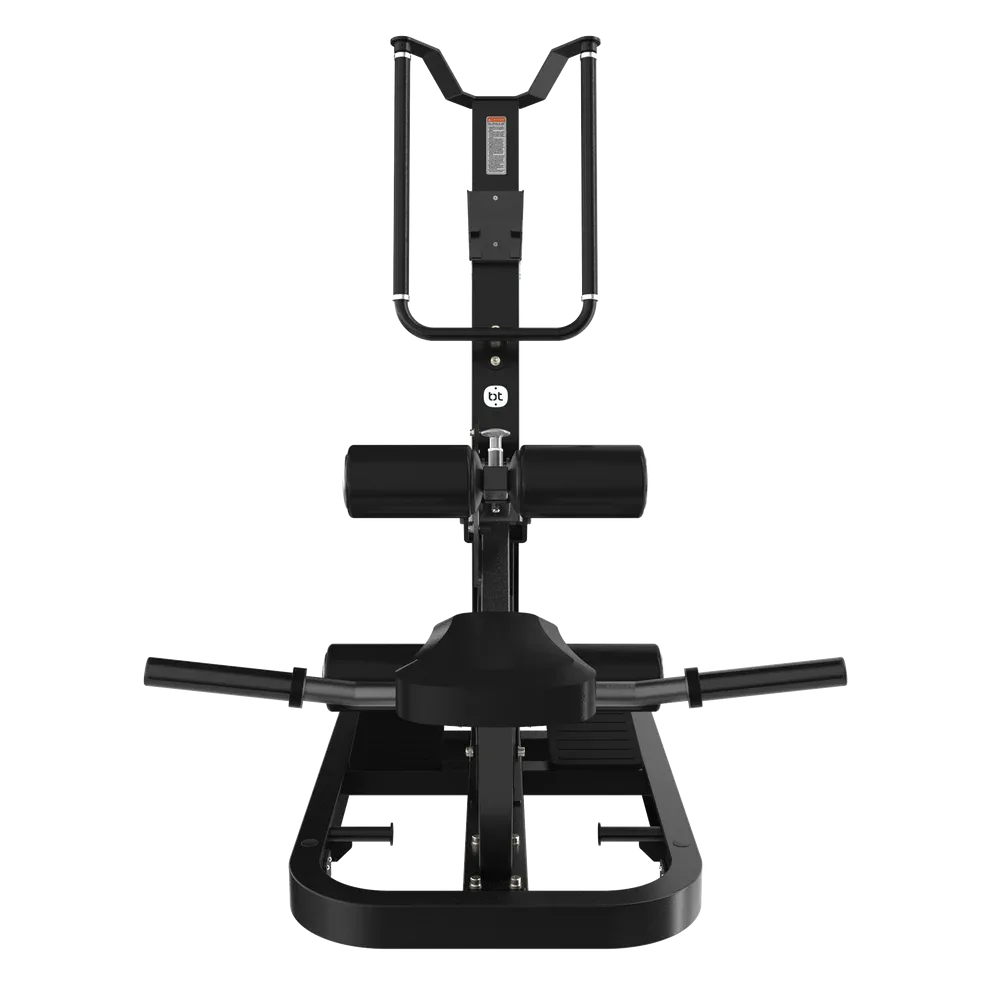
Leg machines are among the most used, the most heavily loaded and the most expensive to replace if the choice is wrong. Selecting a leg press, a hack squat, a leg curl and extension pair or an adductor and abductor station has to be driven by the audience the facility actually serves, not by how the machine looks on a showroom floor.
1. The main families of leg machines
Before talking about facility profiles, it is worth being clear about the main categories of professional leg equipment.
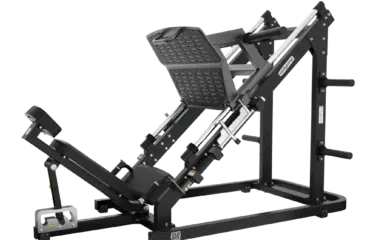
- Leg press (horizontal, 45 degrees, vertical): global work for quadriceps, glutes and hamstrings, the flagship machine of any leg area.
- Hack squat and its variants: a guided squat path, heavy demand on the quadriceps and glutes, a distinctly performance-oriented machine.
- Leg extension: quadriceps isolation, widely used for strengthening, rehabilitation and targeted work.
- Leg curl (seated, lying, standing): hamstring work, the indispensable counterpart to the leg extension.
- Adductor and abductor: inner and outer thigh work, in constant demand from general members and from health-focused users.
Light In Fitness already covers each of these families across its equipment guides. The purpose of this article is narrower and more practical: what to install, and for whom.
2. A general-purpose audience: secure the basics, stay versatile
For an independent or commercial club serving a broad membership, a mix of beginners, regulars and a few competitive athletes, the priority is a leg area that is reassuring, versatile and robust.
Recommended leg package for a general-purpose club:
- 1 professional leg press (45 degrees or horizontal): the central station, easy to understand and heavily used.
- 1 leg extension and 1 leg curl (seated or lying): a simple, effective quadriceps and hamstring pairing.
- 1 adductor and abductor machine (or a combined unit): heavily used by members working on pelvic stability and balance.
This is the combination Light In Fitness recommends for general-membership clubs, built around selectorised machines properly dimensioned for intensive use and built to EN ISO 20957-1 class S, the class intended for supervised commercial environments.
3. A health and rehabilitation audience: control and progression first
In a health-focused setting, a physiotherapy practice, a medical centre or a club with a large proportion of older or post-rehabilitation members, what matters is fine control of the load, ergonomics and the ability to progress in small steps.
Key points for this audience:
- Selectorised machines with small load increments (2.5 kg, for example) for genuinely progressive work.
- Fine range-of-motion adjustment, including the ability to limit the range on the leg extension and leg curl to protect specific conditions.
- Ergonomic backrests, seats and levers that adjust easily to different body sizes without forcing.
Light In Fitness already addresses safety and adjustment on the leg extension in detail; the same principles apply to every leg machine specified for this audience. Class I equipment, the professional class designed for inclusive access, is worth considering wherever wheelchair users or people with reduced mobility are part of the membership.
4. A performance audience: load capacity and movement paths
For a club focused on performance, team sports, strength and conditioning or cross-training, leg machines have to take heavy load and allow movement paths close to what athletes do on the field.
Performance-oriented leg package:
- A heavy leg press, or a leg press and hack squat combination, with high load capacity and an extremely stable frame.
- A dedicated hack squat or pendulum squat: a demanding guided path, ideal for varying angles and loading safely.
- A unilateral option where possible (single-leg press, guided step-up, lunge machine) for left and right leg dissociation work.
The Solid Rock SRX57 hack squat is a good illustration of this category, and the wider range of plate-loaded machines covers the heavy end of a performance leg area.
5. What not to do with the leg area
Because the leg area is central, certain mistakes are expensive: in member dissatisfaction, in injuries and in after-sales costs.
Mistakes to avoid:
- Installing a single versatile leg machine and assuming the whole lower body is covered. A leg press does not replace the leg extension, the leg curl and the adductor and abductor station.
- Under-specifying the leg press or hack squat, with a light frame and a low load capacity, in a club where members load heavily.
- Choosing machines that are poorly designed biomechanically, with bad alignment or extreme ranges that cannot be adjusted, which puts unnecessary stress on the joints.
Frame quality, biomechanics and adjustability are what separate a leg area that creates risk from a leg area that becomes a reason to join.
Frequently asked questions
How many leg machines does a general-purpose club need?
Four stations cover the essentials: a leg press, a leg extension, a leg curl, and an adductor and abductor machine or a combined unit.
Can a leg press replace the other leg machines?
No. The leg press works the lower body globally, but it does not replace quadriceps isolation on the extension, hamstring work on the curl, or the inner and outer thigh work of the adductor and abductor station.
What load increment should be specified for health-focused users?
Small increments, 2.5 kg for example, so that progression can be genuinely gradual rather than a jump the user is not ready for.
What distinguishes a performance leg press?
A high load capacity and an extremely stable frame, ideally alongside a hack squat or pendulum squat for guided heavy work and a unilateral option for left and right dissociation.
Specify your leg area
The right leg area is the one that matches the people using it: reassuring and versatile for a general membership, finely adjustable and progressive for health and rehabilitation, heavy and stable for performance. Light In Fitness has equipped gyms, clubs, medical centres, local authorities and training centres since 2013. Tell us the profile of your members, the available surface and the loads involved, and we will build the leg area specification with you: request a quote.
À lire aussi sur le même thème
- Cross Trainer or Treadmill: Which Is Really Better for the Joints?
- Upright vs Recumbent Bike: Which One for Rehabilitation, Seniors and Weight Loss?
- Professional Cardio Maintenance: The Checklist That Prevents Breakdowns
- How to Choose a Professional Strength Equipment Range: Stacks, Cables, Frames and Warranty