How to choose a professional cross trainer
Un elliptique professionnel se choisit sur la longueur de foulée, la masse du volant d'inertie et la robustesse des roulements. Ces paramètres déterminent la fluidité et la durée de vie en usage collectif. La console et les programmes viennent après ces critères mécaniques.
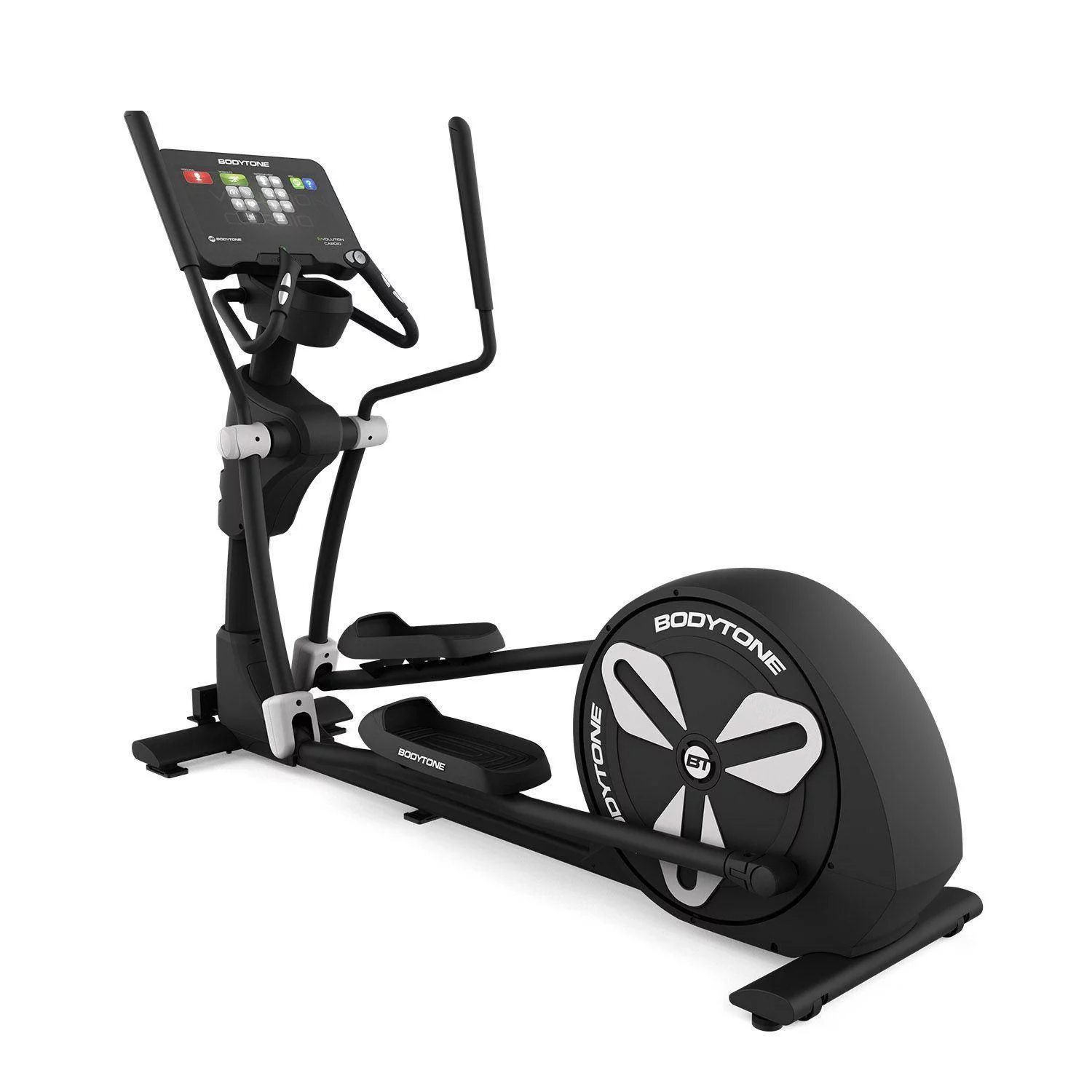
A professional cross trainer is chosen on stride length, flywheel mass and the robustness of its bearings. Those parameters decide how smooth the machine feels and how long it survives shared use. The console and the programme library come after the mechanical criteria, not before them.
Choosing the right machine matters because it determines whether training on your floor is effective and appropriate to the people using it. The cross trainer is a versatile piece of cardio equipment with real benefits for general conditioning, weight management and overall fitness, which is why it appears in almost every commercial line up. This article walks through the aspects to weigh up when specifying one for a professional facility.
Start with the users and their goals
The first question is who will use the machine and what they are training for. Professional cross trainers come in a wide range of models: some are better suited to beginners, others offer advanced functions for more experienced users. A facility whose members are largely new to cardiovascular training is better served by a model that includes beginner appropriate workouts and a console that does not intimidate. A performance club or a mixed timetable with structured cardio sessions needs a wider programme range and finer control.
Professional cross trainers generally carry several preinstalled training programmes, from endurance work through to muscular conditioning and weight management. What matters on a commercial floor is that the programme set matches how your staff actually prescribe sessions, not that the list is long. The full range is grouped under professional cross trainers.
The technical specification
Next, check the technical features. Resistance is a crucial element, because it determines the intensity of the sessions the machine can support. Professional cross trainers generally offer a range of resistance levels adjustable to the needs and the capacity of the user. Choose a model with a magnetic or electromagnetic resistance system, which gives a smooth and quiet progression: quiet matters more in a commercial room than most buyers expect, because a bank of noisy machines is felt by every member in the space.
Make sure as well that the machine has a flywheel heavy enough to guarantee good stability and a smooth stride. Flywheel mass and stride length together produce the movement feel: a machine that is light at the front or short in the stride will be rejected by taller members whatever the console offers. Bearings are the third mechanical criterion and the least visible one. In a facility running the machine for many hours a day, bearing quality is what separates a unit that still feels new after several years from one that develops play and noise. Our Lexco cross trainers and the wider professional cardio range are specified against exactly these points.
Comfort and ergonomics
Another essential aspect is comfort. Look for ergonomic footplates and comfortable handles. Some models also offer moving handlebars so that the upper body is worked alongside the legs, which broadens what a single machine can deliver in a small cardio area. Adjustable incline is a further feature that changes the muscular emphasis and adds variety to a session without adding a second machine.
In a commercial setting, comfort also covers footprint and access. A machine positioned so that a user has to squeeze past a wall to mount it will be used less than the one nearest the door, and a cardio line up is only as good as its least accessible unit.
Console, programmes and connectivity
The quality of the display and of the built in programmes matters too. Make sure the screen shows the essential information: distance covered, calories burned, heart rate, cadence and elapsed time. Some professional cross trainers include Bluetooth connectivity, allowing members to link fitness applications and follow their progress on a smartphone or tablet. On a commercial floor this is a retention feature rather than a training feature, and it should be weighed as such against the mechanical criteria above.
Budget, warranty and standards
Finally, do not overlook your budget. Professional cross trainers vary considerably in price, and the point is to find the right balance between quality and cost. Compare specifications, user feedback and the warranties offered by different manufacturers before deciding. Warranty terms are particularly informative on cardio equipment, because they tell you what the manufacturer expects the machine to survive.
Indoor equipment for a commercial facility is built to EN ISO 20957-1 class S, the class intended for professional and supervised use. Ask for the reference in writing when comparing quotations.
It is worth testing several models before buying. Arrange to try the machines with your supplier, and where possible have a member of your instructor team try them too: stride feel is subjective and difficult to judge from a specification sheet.
Frequently asked questions
What is the single most important criterion?
Stride length, flywheel mass and bearing quality, taken together. They decide both the feel of the machine and how it ages under shared use.
Magnetic or electromagnetic resistance?
Both give a smooth, quiet progression. Electromagnetic systems allow finer programme control, which matters where structured cardio sessions are prescribed.
Are moving handlebars worth it?
In a small cardio area, yes: they let one machine cover upper body work as well as lower body, which broadens the offer without adding floor space.
How many machines does a cardio area need?
It depends on peak attendance and on the mix with treadmills and bikes. Send us your footfall pattern and we will size the line up against it.
Specifying your cardio line up
Choosing a professional cross trainer means weighing several factors together: the profile and goals of your users, the technical specification, comfort and ergonomics, the console and programme set, and your budget. Take all of them into account and you will end up with a machine that suits your facility, trains your members effectively and holds up under the hours it will actually run. Tell us your room, your member profile and your peak attendance and we will come back with a configuration and a costed proposal: request a quote.