How to Choose a Commercial Gym Treadmill
Choosing a commercial treadmill for a gym or fitness centre is a decisive purchase: it shapes the quality of the training on offer and the experience of every user. Whether members are working on endurance, losing weight, toning legs and core, or simply maintaining cardiovascular fitness, the machine has to meet precise criteria. Here are the key points to weigh up before you commit.
1. Type of treadmill
There are several types of treadmill to consider.
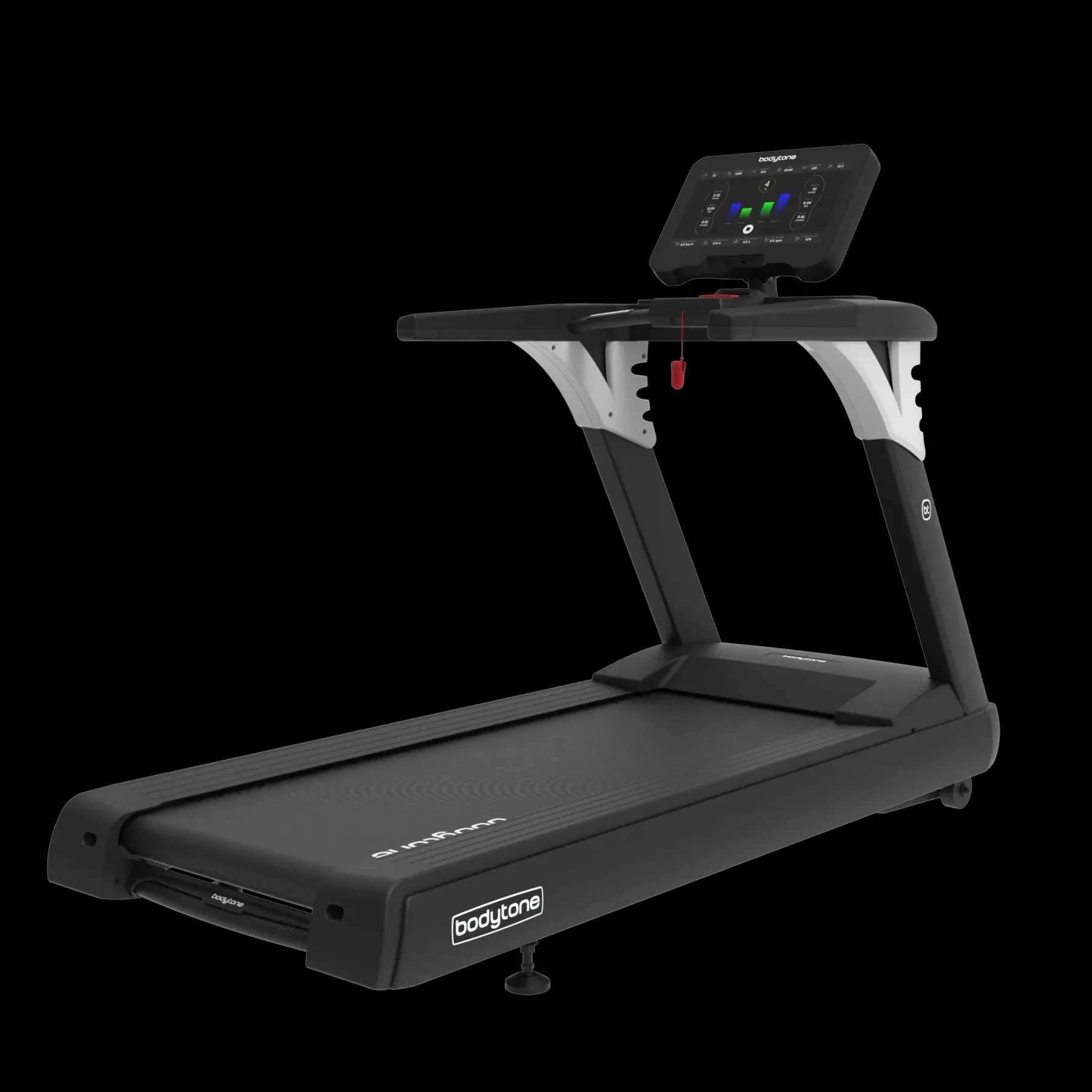
Motorised treadmills. These are the right choice for intensive use. Speed and incline adjust automatically, which suits cardio training and structured running sessions: members can simulate outdoor running while monitoring heart rate and calories burned. Unlike a simple walking belt, a motorised treadmill engages the whole body.
Folding treadmills. These models suit sites that are short of floor area, since the deck folds away after use. They are often fitted with LCD touchscreens for quick performance tracking, and they can be compared with other cardio stations such as the cross trainer, the stepper, the exercise bike or the rowing machine in terms of versatility per square metre.
2. Technical specifications
When you choose a commercial treadmill, several technical points deserve close attention.
Motor power. A powerful DC motor of 2.0 HP to 4.0 HP is essential for intensive sessions. It avoids jolting and keeps operation quiet, which matters in a shared room. Motor architecture is the single specification that most often separates a machine that survives a commercial timetable from one that does not; our article on AC and DC treadmill motors goes into that comparison in detail.
Top speed. To serve users of every level, a treadmill with a wide speed range, for example up to 18 km/h, matters, particularly for running, jogging and interval sessions.
Incline. An adjustable incline lets members simulate different terrain, which raises training intensity and burns more calories. Incline work also supports muscular toning and cardiovascular conditioning by loading the leg and core musculature more heavily.
3. Cushioning and comfort
Comfort is what keeps members coming back. A good treadmill needs an effective cushioning system to reduce impact on the joints during running or walking on the belt. This matters particularly for users with cardiac conditions or in a rehabilitation phase, and it is the criterion most often underestimated when a purchase is decided on price alone.
4. Additional features
To improve the user experience, look for treadmills with the following.
LED or LCD consoles. These displays track distance covered, heart rate, calories burned and other key statistics.
Bluetooth connectivity. This synchronises the treadmill with fitness applications, opening up varied training options and programmes adapted to weight loss or muscular conditioning.
Handrails and emergency stop systems. Ergonomic handrails and an emergency stop are essential for safety, above all for beginners.
5. How to compare models properly
Do not hesitate to run a genuine comparison between shortlisted models. Check the value for money, the durability of the materials and the reputation of the brands. Light In Fitness offers a broad range of commercial treadmills suited to gyms, hotels and fitness centres, from the Gold Line FIT professional treadmill upwards; the full professional treadmill range sets out the alternatives side by side. A commercial treadmill is an investment, so choose a machine that answers the specific needs of your site and its members rather than a specification sheet in the abstract.
Frequently asked questions
What motor power does a gym treadmill need?
A powerful DC motor in the 2.0 HP to 4.0 HP range is what intensive sessions call for. Below that, the machine works harder for the same output, which shows up as noise and as wear.
What top speed should a commercial treadmill reach?
A wide speed range matters so that beginners and runners share the same machine. Up to 18 km/h covers running, jogging and interval work.
Why does incline matter?
Adjustable incline simulates different terrain, raises the intensity of the session and burns more calories, while loading the legs and core more heavily than flat running.
Is cushioning really important?
Yes. Effective cushioning reduces impact on the joints and makes the machine usable by members with cardiac conditions or in rehabilitation, which widens the audience the station can serve.
Are connected consoles necessary?
Bluetooth connectivity synchronises the treadmill with fitness applications and broadens the programme offer. It is a genuine plus, but it comes after motor, cushioning and safety in the order of priorities.
Conclusion and next step
Choosing a commercial treadmill means weighing several factors together: the type of machine, the technical specifications, comfort in use and the additional features. Take the time to analyse them and you will be able to select the treadmill that gives runners and fitness users the best experience. Combined with other equipment, such as magnetic-resistance cross trainers, your site can then offer complete cardiovascular training. Tell us the number of stations, the daily hours of use and the room you have available, and we will come back with a costed recommendation: request a quote.