Back Training: The Best Machines and Back Trainers for Gyms
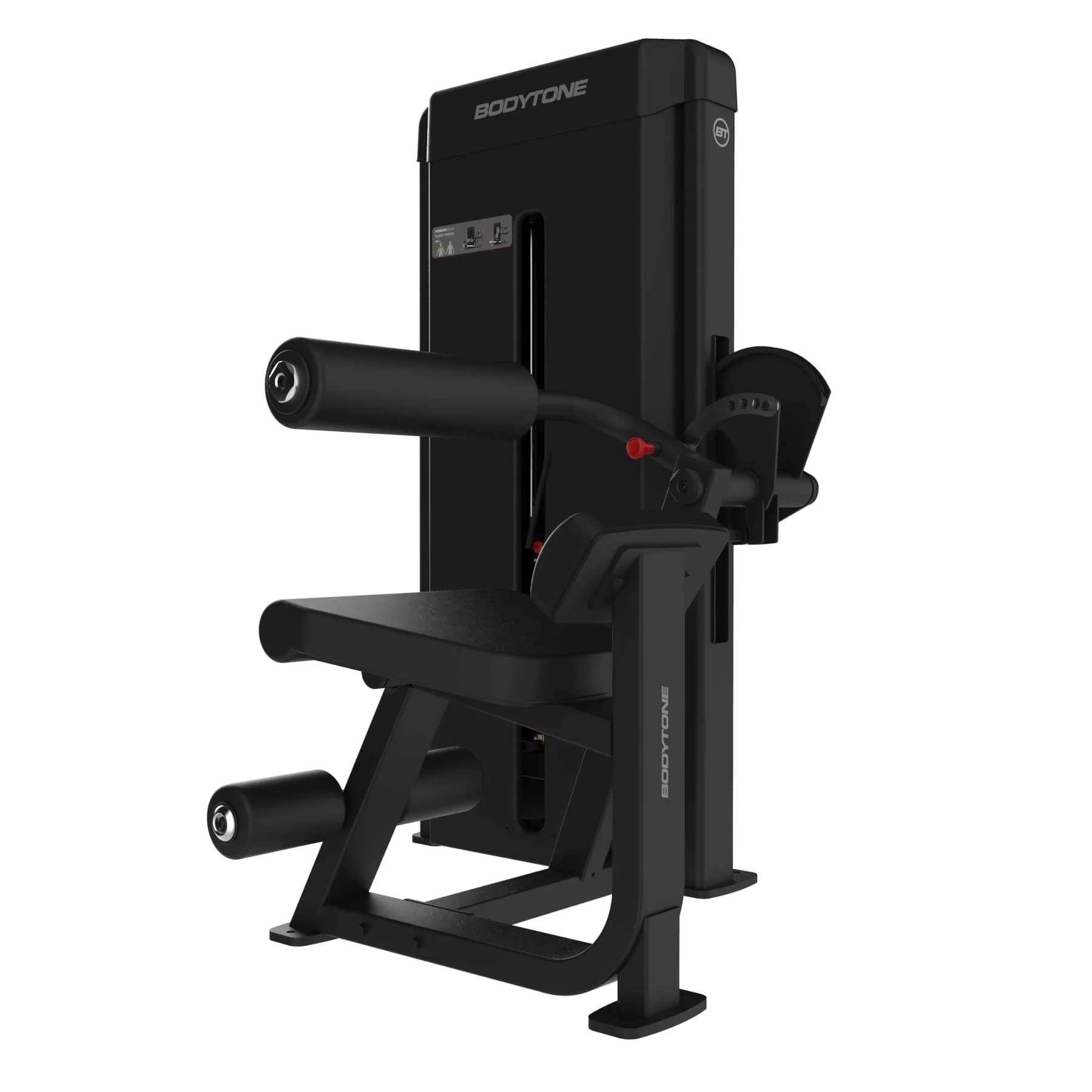
Effective back training is the most reliable way to prevent back pain among the people who use your facility. The spine is supported by the muscles of the back, and posture improves noticeably once those muscles are trained correctly. A wide choice of back trainers exists, which makes varied programming possible for every level of user. Here is what to take into account when you plan back work in your gym and when you buy the right equipment.
Why a dedicated back zone pays off
Most members arrive with a training history dominated by pushing movements and a working day spent seated. A zone that groups pulling and extension work in one place makes it far easier for instructors to build balanced programmes, and it is one of the arguments that keeps members subscribed. In a hotel, a corporate gym or a municipal facility, the same zone doubles as the postural and preventive offer that non-athletic users are looking for.
The main families of back equipment
- Selectorised machines – lat pulldown, seated row, rear delt and back extension stations. The guided path and the weight stack make them the safest entry point for beginners and for supervised group use. See the Forza Bodytone selectorised range.
- Plate-loaded machines – a more demanding feel, appreciated by experienced members and in strength-oriented clubs.
- Cable stations – the most versatile option when floor space is limited, since one frame covers pulldowns, rows and rotational work. Browse the cable station range.
- Benches and free weights – rows and hip hinge patterns that complete the machine work.
What to check before you buy
Any indoor machine installed in a facility open to third parties must comply with EN ISO 20957-1 class S, the professional class. Beyond the standard, four points decide whether a purchase ages well:
- Adjustability – seat and pad ranges wide enough to fit both a tall member and a shorter one, with clear markings so settings can be repeated.
- Access to the starting position – assisted lever or foot bar on pulldown and row stations, which is what makes a machine usable by deconditioned or rehabilitating users.
- Upholstery and wear parts – availability of replacement pads, cables and grips over the life of the machine.
- Footprint and traffic flow – the space actually needed around the station, not only the machine dimensions.
The rest of the strength offer should be planned at the same time, so that the back zone fits the overall layout rather than being added afterwards: see the full strength training machines catalogue.
Frequently asked questions
Which standard applies to indoor back training machines?
EN ISO 20957-1 class S. It is the class intended for equipment used in supervised and unsupervised professional facilities, and it is the only acceptable specification for a gym open to the public.
Selectorised or plate-loaded machines for back work?
Selectorised machines suit mixed memberships and supervised sessions, because load changes are immediate and the movement path is controlled. Plate-loaded machines are chosen when the club has a strength-oriented audience and enough staff on the floor. Many facilities run both, with the selectorised stations placed on the main circuit.
How many back stations should a gym install?
There is no universal figure: it depends on your floor area, your peak attendance and the number of circuits you want to run in parallel. The usual method is to start from your busiest hour and make sure no member has to wait at the pulling stations, which are among the most used in any gym.
Can back machines be used in a rehabilitation setting?
Yes, provided the load increments are small enough and the starting position is easy to reach. Machines with assisted entry and fine weight increments are the ones normally specified for rehabilitation and senior programmes.
Planning your back training zone
Choosing back equipment is a layout decision as much as a product decision. Send us your floor plan, your user profile and your budget: our team will put together an equipment list and a scaled layout for your project. Request a quote and we will get back to you with a proposal.