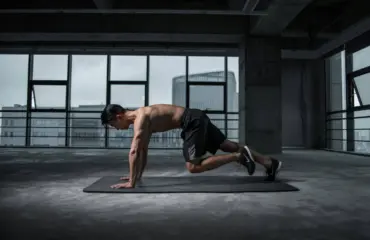
The Best Gymnastics Floor Tiles: A Complete Guide
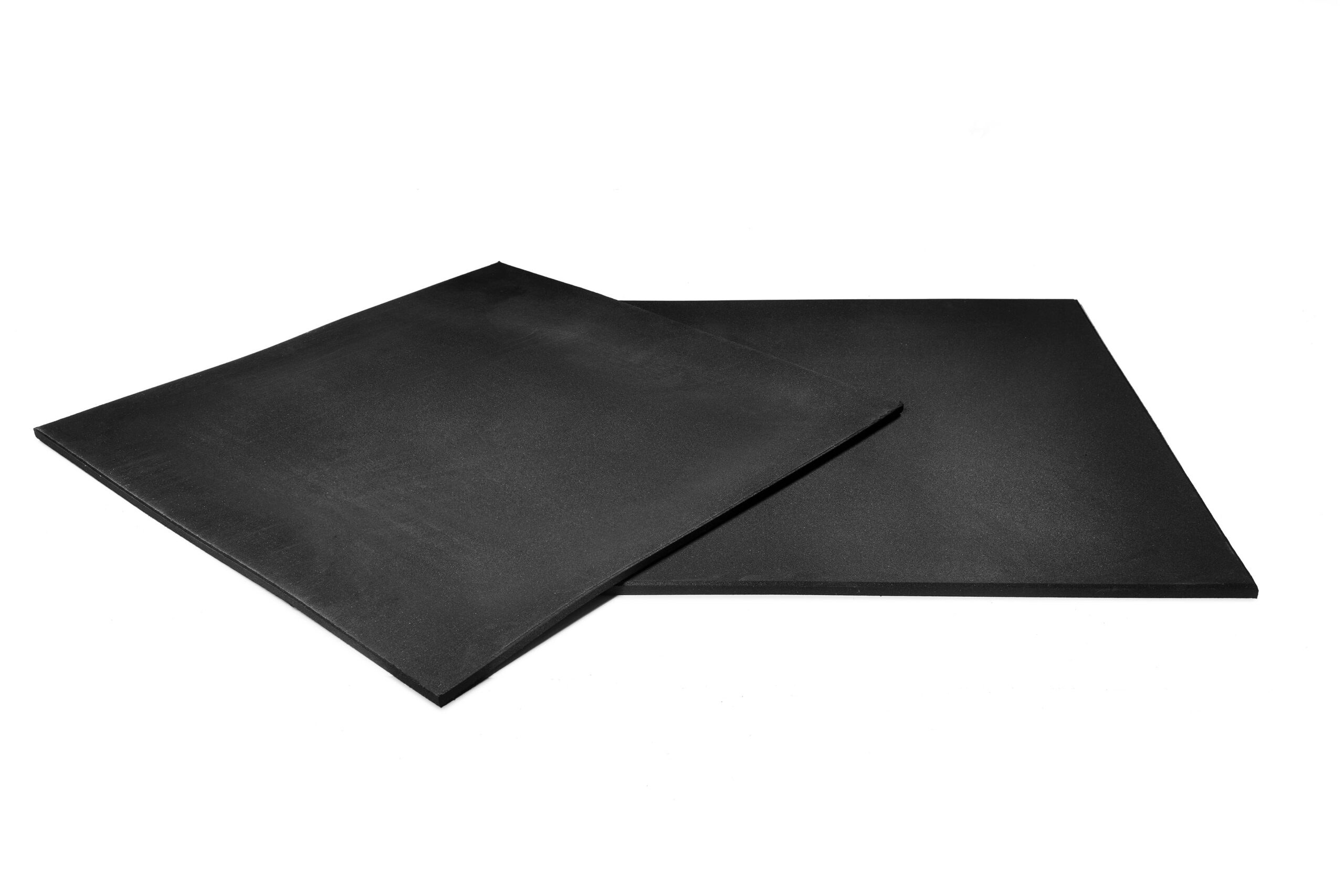
Repeated impact is the central problem of any gymnastics floor. Whether you are fitting out a club hall, a school gymnasium, a municipal sports centre or the gymnastics corner of a commercial fitness club, the surface underfoot decides how hard your users can train and how often they get hurt. Choosing the right gymnastics floor tiles is not a straightforward purchase: shock absorption, grip, density and installation all pull in different directions. This guide sets out the benefits, the characteristics that matter and the method for arriving at the right specification for your hall.
What gymnastics floor tiles bring to a hall
The right gymnastics tile brings several benefits at once. First, it provides the shock absorption that jumps, high-intensity work and dynamic movement require. By absorbing impact energy it limits muscular fatigue, which lets sessions run longer without excessive discomfort. It also reduces the risk of injuries caused by overloading joints, ligaments and tendons, acting as a cushion between the body and a hard substrate.
Second, gymnastics tiles add stability. Thanks to a non-slip surface and, in most systems, a modular interlocking fixing, they stay in place even during explosive work. For coaches, club managers and facility operators, that means a controlled environment in which users can progress safely.
Third, beyond comfort and safety, these tiles are generally designed for intensive use. They carry the weight of equipment, take constant foot traffic and cope with moisture, while remaining easy to clean, which is what keeps a shared hall usable across several disciplines in the same day.
Reducing impact on the joints
Repeated impact from jumps, fast footwork or carrying heavy loads places significant demand on knees, ankles and hips. A good gymnastics tile acts as a damper, dissipating kinetic energy and limiting the pressure that reaches the joints. That damping reduces post-session soreness and lowers the risk of long-term microtrauma, which matters enormously in a club where the same athletes train several times a week.
A suitable floor also improves how body weight is distributed during single-leg support and asymmetric movement. With an elastic, resilient material, each foot gets uniform contact with the surface, which supports proprioception and makes gymnastic movement both safer and more efficient to execute.
Comfort during intensive work
Through sets of burpees, jumps or squats, the training surface makes a noticeable difference. Unlike concrete or tiling, a gymnastics floor tile gives a degree of softness underfoot, reducing fatigue in the muscles of the foot and making longer sessions considerably more bearable. The foot gets useful energy return, which supports both performance and mobility.
Some tiles also carry non-slip textures that increase stability during lateral and rotational movement, so routines can be performed without fear of slipping even when soles or the surface are damp. That balance between firmness and flexibility protects ligaments and also dampens the vibration that would otherwise travel up to the spine.
What to look at when choosing
Before investing, define your priorities: the type of training, the frequency of use and the constraints of the space. The aim is to combine durability, performance and comfort rather than optimising one at the expense of the others.
Thickness, material and ease of installation all deserve attention, because together they determine whether a floor suits both the discipline and the budget.
Material and density
TPE combines light weight, responsiveness and easy recycling, which has made it an increasingly popular choice. Whatever the material, check its density and its composition: a high proportion of rubber gives better durability and a longer service life, particularly in a high-traffic environment. Density is also what separates a tile that survives a season of club use from one that flattens under it.
Thickness and the discipline
Thickness follows the discipline and the fall heights involved. A landing zone, a free-movement area and a circuit corner do not need the same construction, and specifying a single tile across a whole hall usually means overpaying in one zone and under-protecting another. Rather than quoting a figure that would not apply to your hall, tell us the disciplines and we will specify per zone.
Matching the floor to the type of training
Each discipline demands specific qualities. Cardio work, strength work and circuit training each place different loads on a floor, so the choice is driven by damping, wear resistance and modularity, which is what allows a training space to be configured to measure.
In practice most halls end up combining systems: rubber floor tiles for the strength and circuit zones, roll-out mats for floor work, and inflatable air tracks where tumbling and acrobatic progressions are on the programme.
How to run the purchase
Before buying, audit your requirements: available surface area, the activities planned, frequency of use and budget constraints. That method narrows the selection and avoids compatibility mistakes, above all where an existing substrate is uneven or where equipment has to be anchored.
Then compare offers on value for money, warranties and the reputation of the manufacturer. A floor is a long-lived purchase, and the cheapest tile is rarely the cheapest floor once replacement is factored in.
Maintenance and service life
Regular maintenance keeps a floor hygienic and performing over the long term. Simple habits are enough to preserve both the appearance and the function of gymnastics tiles: routine sweeping, cleaning with a mild solution rather than aggressive chemicals, and immediate attention to spills.
Plan a replacement and storage strategy as well. Tiles that are lifted between events should be stored flat and dry, and heavily used zones benefit from being rotated so that wear spreads evenly instead of concentrating in the landing areas.
Frequently asked questions
Which floor suits a gymnastics hall best?
It depends on the disciplines. Tumbling and acrobatic work call for air tracks and deep matting, while strength and circuit zones are better served by dense rubber tiles. Most halls need a combination, specified zone by zone.
Does a higher rubber content matter?
Yes. A high proportion of rubber gives better durability and a longer service life, which is what counts in a hall used every day by several groups.
How should gymnastics tiles be maintained?
Sweep regularly, clean with a mild solution, avoid aggressive chemicals, deal with spills immediately and rotate tiles in high-traffic zones to spread wear.
Specifying your floor
Light In Fitness has supplied professional sports flooring and equipment to clubs, schools, local authorities and fitness operators since 2013. Send us your surface area, the disciplines practised and the existing substrate, and we will specify the flooring zone by zone rather than selling a single tile for the whole hall. Request a quote for a costed proposal.
Réalisations documentées
- Dalles et sols sportifs : livraisons documentées – plusieurs chantiers
- Sol sportif extérieur, square Georges-Vallerey – Taverny (95)