Artificial Turf: The Practical Surface for Professional Outdoor Spaces
Le gazon synthétique se choisit sur la hauteur de fibre, le poids au mètre carré et le traitement anti-UV. Une fibre haute convient à un usage décoratif, une fibre courte et dense à un usage sportif ou très piétiné. L'entretien se limite à un brossage périodique et à un nettoyage des débris.
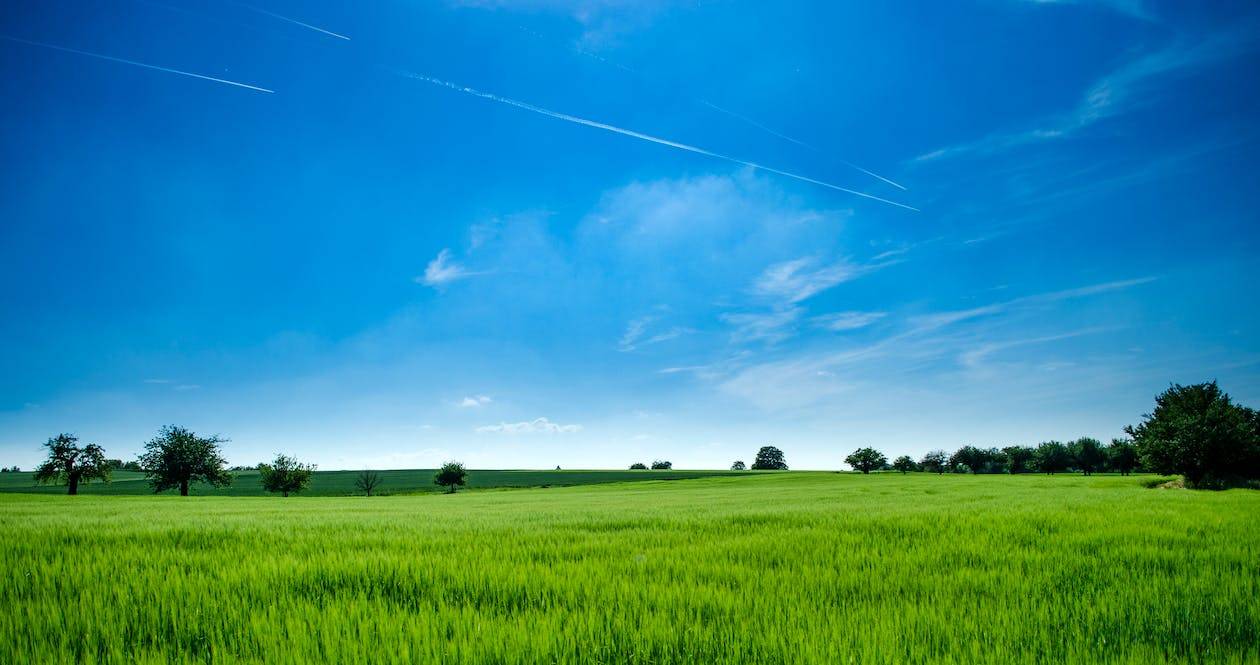
Artificial turf has become the default surface wherever a green finish is wanted but natural grass cannot survive the traffic. Hotel terraces, campsite leisure areas, rooftop training zones, sled tracks, functional training areas and the surrounds of outdoor gyms all share the same problem: too many feet, too little maintenance budget, and grass that turns to mud by the second month. Synthetic turf solves it, provided the specification matches the use.
What artificial turf is made of, and why it matters
The fibres are polyethylene or polypropylene, tufted into a backing and supplied either in rolls or in tiles. Fibre length is the first specification decision and it drives everything else. Long fibres give a soft, natural-looking finish suited to decorative and relaxation areas. Short, dense fibres take heavy footfall and repeated sliding contact, which is why they are the correct choice for sports use, sled lanes and any area used for training.
Three criteria decide a professional purchase: fibre height, weight per square metre, and the UV treatment of the yarn. Height sets the look and the feel underfoot. Weight per square metre is the honest proxy for density and therefore for how the surface will hold up under traffic. UV treatment determines whether the green is still green after three summers on a south-facing terrace. A cheap turf usually fails on the second and third of those, not the first.
Where it earns its place
The practical argument is straightforward. Compared with natural grass, artificial turf needs no mowing, no watering and no seasonal reseeding, so an operator gets a presentable outdoor space without a groundskeeping line in the budget. It stays green through the year, it tolerates sunlight, rain and constant footfall, and it takes garden and terrace furniture without wearing out prematurely.
It also installs on a wide range of substrates: compacted earth, soft or hard ground, concrete slabs and existing hard standing. That flexibility is what makes it viable on a rooftop, on a pool surround or on a concrete yard that a client wants to soften. For structured training areas, our numbered artificial turf tracks add distance markings for sled work and conditioning, while artificial turf tiles suit spaces where a roll would be impractical to handle or where sections need to be lifted later.
Choosing the right product for the space
- Decorative areas such as terraces, hotel entrances and campsite lounging zones: longer fibre, natural appearance, comfort under bare feet.
- Training and sports areas: short, dense fibre with high weight per square metre and stable recovery after compression.
- Sled and conditioning lanes: dense turf with a defined running direction and, where useful, distance markings.
- Exposed and south-facing sites: prioritise UV-treated yarn regardless of the other criteria.
- Spaces needing later access, for example over drainage or cabling: tiles rather than rolls.
Where the area also carries impact loads from equipment, the turf is only one layer of the answer; the outdoor sports flooring range covers the shock-absorbing build-ups that go underneath.
Installation on a professional site
Laying turf is quick, but the base is what decides the result. The substrate must be level, stable and free of dust and debris before anything is unrolled. Cuts are made to the exact dimensions of the area, joints are aligned so the fibre direction is consistent across the whole surface, and edges are secured so nothing lifts under traffic or wind. On permeable bases, drainage has to be planned before the turf goes down rather than diagnosed afterwards. On a commercial site, this is work for an installer rather than a maintenance team with a knife.
Maintaining artificial turf
Maintenance is light but not zero. Debris, leaves and dust should be cleared regularly, since a build-up works its way into the pile and abrades the fibres. Rinsing with a hose is enough for general cleaning; avoid aggressive high-pressure jets, which displace infill and damage the yarn. Stains come out with a purpose-made artificial turf cleaner, or with water and white vinegar for light marks. Periodic brushing with a nylon brush lifts the fibres back up and restores the appearance, and it matters more on heavily used lanes than anywhere else. Avoid abrasive cleaners and harsh chemicals, and avoid leaving heavy objects standing in one place for long periods. Specify a quality product and keep to that routine, and the surface stays serviceable for years.
Frequently asked questions
Can artificial turf be laid over concrete?
Yes. Concrete, hard standing, compacted earth and soft ground all work as substrates, provided the base is level, clean and drains properly.
Which fibre length should a training area use?
A short, dense fibre. Long fibres flatten and split under repeated sliding and sled contact, and they hold debris in a way that makes cleaning harder.
Does artificial turf fade?
Untreated yarn does. UV-treated yarn is specified precisely to prevent it, and on exposed or south-facing sites it is not an optional extra.
Rolls or tiles?
Rolls give fewer joints on large open areas. Tiles are easier to handle in confined spaces, on rooftops and wherever a section may need lifting for access later.
Specifying your surface
The right turf depends on the traffic, the exposure and what happens on the surface. Tell us the area, the substrate and the intended use, and we will come back with a product, a quantity and a price. Request a quote and our team will size the job from your plan.
Réalisations documentées
- Dalles et sols sportifs : livraisons documentées – plusieurs chantiers
- Sol sportif extérieur, square Georges-Vallerey – Taverny (95)