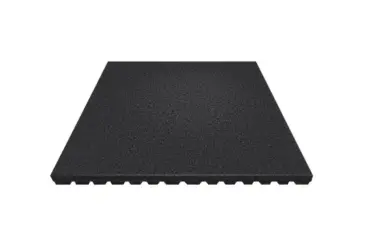
Acoustic Rubber Tiles: Floor Soundproofing
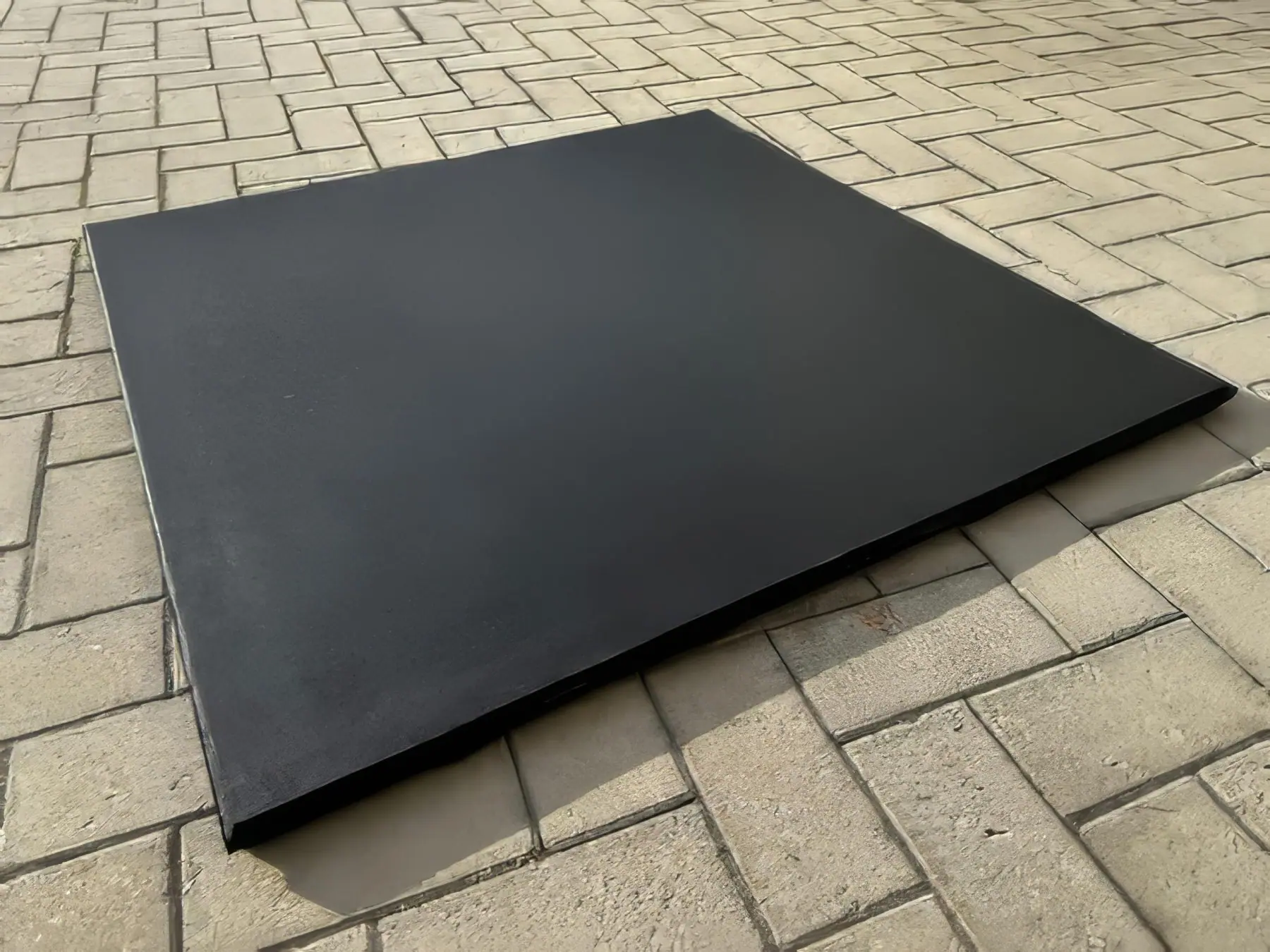
Noise is one of the few building problems that shows up as a complaint before it shows up on a survey. Acoustic rubber tiles are a practical, high-performing answer for floor soundproofing across residential, commercial and industrial settings. Their composition significantly reduces sound transmission, which improves conditions for occupants and, for a gym operator or a landlord, removes the single most common source of dispute with neighbours below.
What is an acoustic rubber tile?
Definition and characteristics
An acoustic rubber tile is a floor covering designed specifically to improve the sound insulation of a space. Made from rubber, frequently recycled rubber, these tiles have a structure and composition that promote the absorption of sound waves. Tile thickness plays a decisive role in acoustic performance: a thicker tile generally absorbs more noise.
Alongside their acoustic properties, rubber tiles are valued for durability, wear resistance and slip resistance. They act as both an acoustic and a thermal insulating layer.
Types of rubber tile
Different tile types suit different acoustic and aesthetic requirements. Recycled rubber tiles are the economical and environmentally sound option, widely used in gyms and industrial spaces. Virgin rubber tiles offer better wear resistance and come in a wider range of colours and patterns.
Some acoustic tiles incorporate acoustic foam or rubber granulate compounds to improve absorption further. Others are engineered specifically to absorb impact and reduce vibration, which is what makes them right for fitness floors and play areas. Black rubber remains the most widely specified colour, but coloured options exist where the floor has to work visually as well as acoustically.
Standard dimensions
Rubber tiles are available in several formats, with 60 x 60 cm (600 x 600 mm) the most commonly specified square tile; 100 x 100 cm formats are also standard for larger areas. The modular format simplifies installation and allows considerable flexibility in laying out the floor.
Thickness varies according to the acoustic requirement. Thicker tiles absorb sound waves more effectively and are therefore the specification for spaces where noise is a primary concern. The tile surface can also be textured to improve grip and reduce slip risk.
Advantages of rubber tile soundproofing
Noise reduction and acoustic absorption
The principal benefit of rubber tiles is genuine acoustic performance. They substantially reduce the transmission of both impact and airborne noise, producing a calmer and more comfortable environment. Rubber absorbs sound waves, which limits reverberation and the spread of noise within a room and improves overall acoustics.
That makes rubber gym flooring tiles particularly suited to spaces where noise control is essential: offices, recording studios and training floors above all.
Strength and durability
Rubber is inherently a resilient material, which gives these tiles excellent resistance to wear, impact and compression. They are built to take heavy traffic and heavy loads without deforming or degrading quickly. In a gym, a warehouse or a public space, rubber tiles hold both their appearance and their performance for many years, which lowers maintenance and replacement cost. The slip resistance of rubber contributes directly to user safety.
Anti-noise properties
Acoustic rubber tiles minimise the transmission of vibration and sound waves, acting as a true insulating layer. Some incorporate acoustic foam or rubber granulate compounds to improve that performance further. They are especially effective against impact noise — footfall, dropped objects, dropped weights — which is the category that generates the majority of complaints.
Where impact noise is the primary concern rather than surface protection, a dedicated acoustic underlay beneath the finished floor is often the more effective specification, either on its own or under a tile layer.
Where acoustic rubber tiles are used
Gyms and training floors
Gyms are among the noisiest environments a building can contain: impact noise, dropped weights and conversation combine quickly into an unpleasant sound environment, and in a mixed-use building they generate complaints from every floor below. Acoustic rubber tiles absorb vibration and sound waves, limit reverberation and produce a more comfortable environment for members.
Thickness is again the determining factor. Slip resistance protects users, and durability delivers a long service life even under intensive use. For larger continuous areas, rubber flooring rolls reduce the number of joints and simplify cleaning.
Commercial spaces
In offices, retail units and restaurants, sound insulation is a condition of a pleasant and productive environment. Acoustic rubber tiles reduce noise and improve the acoustics of these spaces by absorbing sound and limiting reverberation, which supports the wellbeing of both staff and customers.
Rubber is also resistant and easy to maintain, which makes it a practical choice for high-traffic commercial spaces. The colour range allows the floor to be matched to the intended interior. Where a fire performance requirement applies, specify from the fire-rated rubber tile range and confirm the exact classification required by the project against the product data sheet.
Residential buildings
For landlords and property managers, sound insulation is a recurring source of tenant complaints, particularly in apartments and terraced housing. Acoustic rubber tiles reduce noise transmission between floors and between dwellings, which improves quality of life for occupants and reduces the volume of disputes reaching the managing agent.
Thickness can be matched to the specific insulation requirement, and slip resistance is a further safety benefit in wet rooms and kitchens.
Comparison with other acoustic materials
Acoustic foam versus acoustic tile
Acoustic foam is generally used to treat reverberation and echo in recording studios and home cinemas. Unlike rubber tiles, it does not provide meaningful insulation against impact noise. Acoustic rubber tiles are far more effective at reducing sound transmission through the floor, and they offer better durability and wear resistance than foam, which makes them the appropriate choice for high-traffic areas.
Acoustic panels
Acoustic panels improve the sound quality of a room by absorbing reflections and reducing reverberation, and they are effective in studios, conference rooms and auditoriums. They are not designed to insulate against impact noise. Rubber tiles are better suited to reducing the transmission of vibration and sound through the floor structure, and they double as the finished floor surface. Combining panels overhead with acoustic rubber tiles underfoot is frequently the optimal solution.
Recycled rubber
Using recycled rubber in tile manufacture carries clear environmental and economic advantages. Recycling used tyres and other rubber waste reduces landfill volume and conserves raw materials. Recycled rubber tiles retain the acoustic insulation and impact absorption properties of virgin rubber while costing less, and they are frequently more wear-resistant than conventional floor coverings, which makes them a durable and economical long-term choice.
Installation and maintenance
Substrate preparation and laying
Proper substrate preparation is essential to achieve a flat, stable surface. Clean the floor thoroughly to remove dirt, dust and debris. Where the substrate is uneven, levelling compound may be required. Installation methods vary with the tile type and the manufacturer instructions: some tiles are designed to interlock, others require adhesive. Follow the installation instructions carefully — a correct installation is what delivers the acoustic performance the tile is capable of.
Maintenance and service life
Regular maintenance preserves both the appearance and the acoustic properties. Vacuum or damp-mop regularly to remove dust and dirt. Avoid aggressive or abrasive cleaning products, which can damage the rubber; for stubborn marks, use a mild cleaner formulated for rubber floors. Protect the tiles from direct sunlight, which can cause discolouration or degradation over time.
Impact absorption
Where impact and vibration are frequent — gyms, play areas — rubber tiles can be specified for optimal shock absorption, often incorporating acoustic foam layers or rubber granulate compounds. Thickness is decisive here too: thicker tiles offer better protection against injury and reduce joint loading.
Frequently asked questions
What thickness should be specified?
It depends on the loads and the acoustic requirement. A free-weight or dropped-barbell area needs substantially more thickness than a cardio floor. Specify against the heaviest expected impact, not the average.
Do rubber tiles remove the need for an underlay?
Not necessarily. In a mixed-use building with occupied space below, an acoustic underlay beneath the tile layer is usually the specification that satisfies the requirement.
Interlocking or bonded?
Interlocking tiles are faster to install and can be lifted; bonded tiles are the choice where the floor must not move under lateral load. Match the method to the use, not to the installation schedule.
Specifying your floor
The right build-up depends on the structure below, the loads above and the acoustic target. Send us the area, the activity and what sits underneath and we will specify a suitable floor and quote it. Request a quote.
Réalisations documentées
- Dalles et sols sportifs : livraisons documentées – plusieurs chantiers
- Sol sportif extérieur, square Georges-Vallerey – Taverny (95)