Why Buy Hard-Wearing Shock-Absorbing Rubber Tiles for Professional Floors?
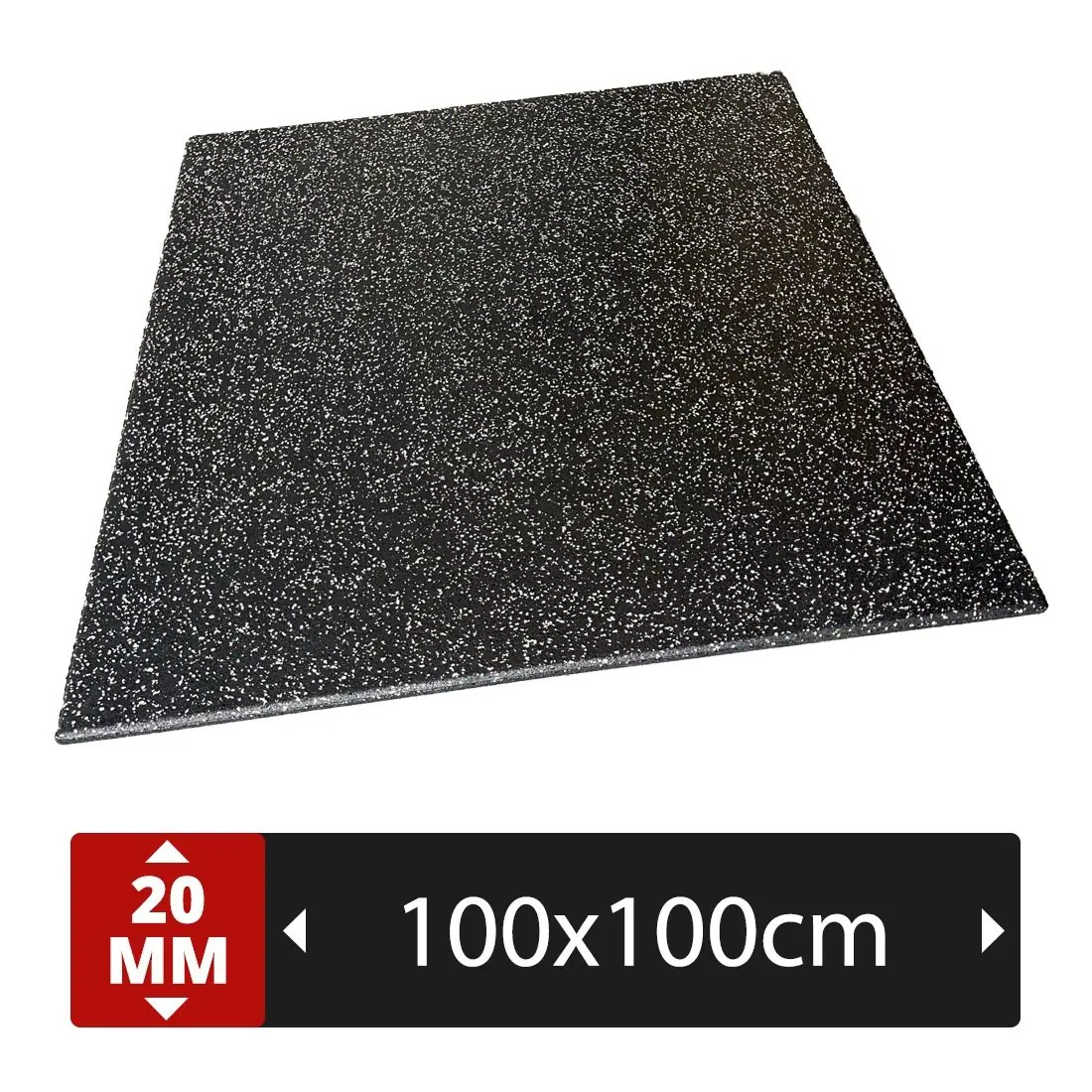
In short: a shock-absorbing rubber tile is chosen on three criteria: thickness, set by the fall height to be attenuated; density, which governs how the tile holds up over time; and the reaction-to-fire classification required for the type of building. Fire classification is not optional in premises open to the public.
The resistance and durability of rubber floor tiles are the heart of their performance, and they are what allows a single installation to keep working across very different environments.
Why rubber tiles have become the default professional floor
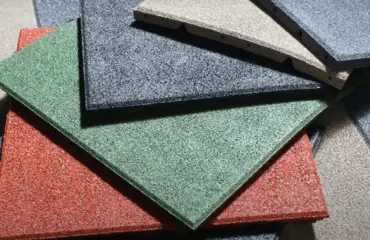
Shock-absorbing rubber tiles are now an obvious answer for professional flooring. Whether supplied as tiles, rolls or vinyl planks, these coverings stand out for their exceptional robustness and their ability to take intensive use while reducing user fatigue and absorbing impact. Their construction lets rubber floor tiles resist abrasion, which is decisive in high-traffic spaces: gyms, offices, industrial workshops and play areas. The integrated wear layer of a rubber tile extends its working life, cutting maintenance costs and the need for frequent replacement. Browse the rubber gym flooring tiles range to see the formats available.
Acoustic comfort and sound insulation
In a professional environment, sound comfort matters. Rubber tiles offer excellent sound insulation, reducing noise nuisance by up to 40 per cent compared with conventional floors. This is particularly valued in open-plan offices, collaborative spaces and busy areas, where concentration and staff wellbeing are priorities.
Improved safety and accident prevention
Safety is one of the main arguments for rubber flooring, especially in a strength training room. The non-slip finish of a shock-absorbing rubber tile provides maximum safety for staff, visitors and customers. It limits the risk of slipping, particularly in wet rooms such as kitchens, washrooms and changing rooms, by offering optimal grip. Preventing accidents in turn supports productivity and improves wellbeing at work.
Appearance and customisation
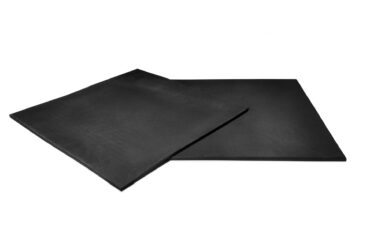
Colour and finish choice is a major advantage of these coverings. Available in a wide range of colours, from beige and grey to black and blue, and in patterns imitating wood, slate or concrete, rubber tiles fit into any decor and meet the aesthetic requirements of a business. That range makes it possible to harmonise the working environment, whether the space is a gym, a workshop, a shop or a retail floor.
Simple installation and upkeep
Installing shock-absorbing rubber tiles is made easier by the range of laying systems available: interlocking, self-adhesive or fully bonded. These options reduce the time and cost of a floor refurbishment. Specialised adhesives ensure a durable fix and keep the joints stable. Upkeep is equally straightforward: regular cleaning with soapy water is enough to maintain the original appearance, even in environments exposed to dust, debris or staining.
Recycled materials and environmental commitment
Many manufacturers now offer rubber tiles made from recycled materials, an ecological alternative to traditional coverings. That choice is part of a responsible approach, allowing a business to reduce its environmental footprint while keeping all the benefits of a high-performance floor.
Calculating quantities and optimising the project
To get the most out of the project, calculate the quantity of tiles required precisely. Doing so optimises the flooring budget, avoids surplus material and ensures the installation fits the available surface exactly.
Summary of benefits
| Criterion | Shock-absorbing rubber tiles |
|---|---|
| Wear resistance | Excellent |
| Sound insulation | Very effective |
| Non-slip safety | Yes |
| Customisation | Wide range of colours and patterns |
| Ease of installation | Yes |
| Maintenance | Simple and quick |
| Recycled materials | Available |
Matching the tile to the zone
One specification does not cover a whole facility. A lifting platform, a cardio row and a circulation route each impose different demands, which is why weightlifting rubber tiles are specified separately from thinner formats, and why rubber flooring rolls often make more sense over large uninterrupted areas. Where the building requires a certified reaction to fire, use tiles supplied with that classification rather than assuming it: the fire-rated rubber tiles range exists for exactly that reason.
Frequently asked questions about shock-absorbing rubber tiles
How do you choose the thickness of a shock-absorbing tile?
By the fall height to be attenuated. A weightlifting zone, or a play area with elevated modules, demands more than a circulation route. Density governs how the tile holds up over time just as much as thickness does.
What do the BFL-s1, CFL and EFL classifications mean?
They are European reaction-to-fire classifications for floor coverings, listed here from the best performing to the least. The level required depends on the type of building and on the national fire safety rules applying to premises open to the public, so it is settled with the design team before the floor is ordered.
Are these tiles suitable for outdoor use?
Yes, provided you choose a formulation designed for UV exposure and frost, and provided the substrate is drained. A tile designed for indoor use degrades quickly under permanent outdoor exposure.
Conclusion
Investing in shock-absorbing rubber tiles for professional flooring is a strategic choice that combines safety, durability, comfort, appearance and environmental responsibility. Whether the space is a gym, a workshop, an office or a retail floor, these coverings offer a complete solution suited to the demands of a modern business. Their ease of installation and upkeep, together with the option of recycled materials, makes them a natural choice for any professional refurbishment or new-build project.
Send us the surface area, the zones you need to cover and the type of building, and we will come back with a tile specification, a quantity calculation and a costed schedule. Request a quote to start the project.
Réalisations documentées
- Dalles et sols sportifs : livraisons documentées – plusieurs chantiers
- Sol sportif extérieur, square Georges-Vallerey – Taverny (95)
Sources et références
- Arrêté du 19 avril 2011 – étiquetage des produits de construction ou de revêtement de mur ou de sol sur leurs émissions de polluants volatils (Légifrance)
- Ministère de la Transition écologique – étiquetage des produits de construction : classes d’émission A+ à C
- Décret n° 96-1136 du 18 décembre 1996 – prescriptions de sécurité relatives aux aires collectives de jeux (Légifrance)
- NF EN 1176-1 – Équipements et sols d’aires de jeux, partie 1 : exigences de sécurité et méthodes d’essai générales (AFNOR)