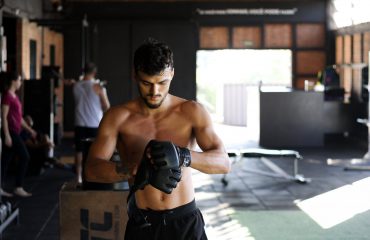
Why Strength Training? Benefits for Gyms and Clubs
Strength training means loading the muscles so that they get stronger, firmer or larger. It can be done with bodyweight, with resistance bands, with dumbbells or on loaded machines, by a first-time member as much as by a competitive athlete. For the operator of a gym, a hotel wellness room, a club or a rehabilitation centre, the real question is not whether the demand exists, but how many stations, how much floor area and which grade of equipment the site actually needs.
What members get out of strength training
A structured programme works every muscle group in a balanced way instead of over-training one area. Sessions are built around compound basics such as the squat, the bench press, the row, the pull-up and the dip, then completed with targeted work on the abdominals, the glutes, the thighs, the chest or the biceps.
The benefits members come for are consistent: building muscle mass, shaping the body, improving overall condition and endurance, and burning calories, since a larger muscle mass raises the metabolism and supports weight loss. Strength work also reinforces the joints and helps prevent injury, which keeps the body strong and healthy over time.
Nutrition, hormones and recovery
Results depend on more than the equipment. Nutrition has to match the training load: proteins, carbohydrates and fats are the building blocks the body needs to add muscle. Strength work stimulates hormones such as testosterone, which supports muscle growth, and some users add supplements such as amino acids or BCAAs to accelerate it. Warm-ups and stretching prepare the body for effort and help it recover afterwards, and rest periods have to be respected: a member who never recovers gets injured instead of getting stronger.
Coaching and group formats
Supervised group classes and circuit training are an efficient way to deliver strength work to several members at once, and they raise the perceived value of a membership. A coach remains the right person to build a programme around each member’s goals, level and physical capacity. Strength training also combines well with other disciplines: boxing or cardio training alongside it produces all-round conditioning rather than a single quality.
What this means for your equipment plan
Everything described above happens on equipment that is used continuously, by users of every level, with no owner watching over it. Indoor equipment installed in a professional facility should be built and certified to EN ISO 20957-1 class S, the class intended for supervised commercial use. Class I is the professional class for inclusive, accessible use, not a step above class S. Equipment specified for home use will not survive a commercial timetable, whatever the brochure says.
In practice, three families cover most of the demand described here: professional strength training machines for guided, supervised work that beginners can use safely; weight benches and free weights for the compound basics; and cardio equipment to complete the conditioning side of the offer.
Frequently asked questions
Is strength training only for experienced users?
No. Beginners and confirmed athletes both train against resistance; what changes is the load, the exercise selection and the level of supervision. Guided machines are usually the safest entry point for a new member.
Does strength training help with weight loss?
Yes. Sessions burn calories directly, and the additional muscle mass raises the metabolism, which supports weight loss over the longer term.
Can strength training prevent injuries?
Reinforcing the muscles around a joint makes that joint more stable, which is why strength work is used both to prepare for effort and in rehabilitation settings. Warm-ups, stretching and genuine rest days are part of the same logic.
Do I need machines, or are free weights enough?
Both have a place. Free weights cover the compound movements; machines guide the movement, which makes them easier to supervise in a busy room and more accessible to beginners and older members.
Planning your strength area
The mix of guided machines, benches and free weights depends on your floor area, your membership and how much supervision you can provide. Send us your surface area and your target audience and we will come back with a layout and a costed proposal: request a quote.