Strength Training for Women: Busting the Myths (No, You Will Not Turn Into the Hulk)
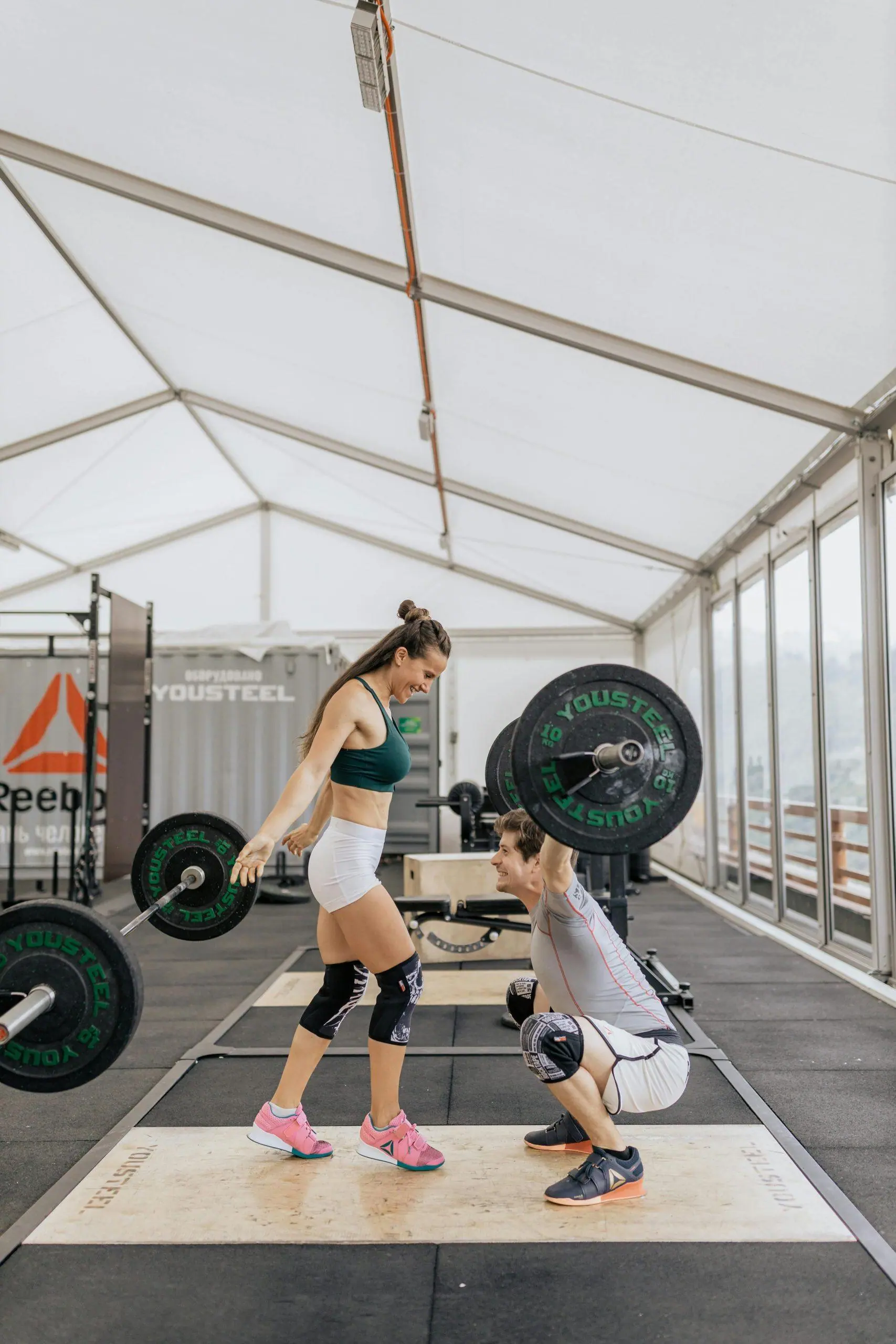
Strength training for women is still surrounded by myths, received wisdom and that famous fear of getting too muscular. If you have ever heard someone say that lifting weights will turn you into a bodybuilder, it is time to set the record straight, because no, you will not wake up one morning with Arnold Schwarzenegger arms just because you did a few squats with dumbbells.
Let us break down the myths, look at what strength training actually does for women, and maybe convince you to pick up a barbell with a smile.
Myth 1: strength training will make me huge
This is probably the most common cliché of them all. A lot of women avoid the weights area because they are afraid of bulking up. Here is the reality: biologically, women do not produce enough testosterone to build the kind of mass men do. So unless you follow a very specific diet and train like an Olympic athlete, lifting weights is not going to turn you into the Hulk.
What actually happens
Strength training tones and shapes the body rather than turning it into a mountain of muscle. In other words, it gives you the strong, athletic silhouette that most women are actually after, with firm muscle rather than oversized muscle.
Myth 2: to lose weight I need cardio, not weights
Plenty of women believe they have to spend hours on the treadmill to lose weight, carefully avoiding the dumbbells on the way. And yet strength training is one of the most effective ways to burn calories, including after the session is over.
Why strength training helps with weight loss
Muscle is metabolically active. The more muscle you carry, the more calories you burn, including at rest. A strength session also produces what is known as the afterburn effect, where the body keeps burning calories for some hours after you leave the gym, sofa and streaming service included. Not bad at all.
Myth 3: strength training is just lifting weights
Many people picture strength training as lifting a weight, putting it down, and repeating. The reality is far more varied. Strength training covers a wide range of exercises that work the whole body and improve not only strength but also endurance, mobility and balance.
Why it is about more than force
When you train with resistance, you strengthen not only the muscles but also the bones, which is excellent for preventing osteoporosis, along with the joints and the heart. And contrary to what people assume, strength training often includes functional exercises that mirror everyday movements, which makes carrying the shopping, playing with the children or moving furniture easier and less tiring.
Myth 4: machines are for beginners, free weights are for the serious
There is a persistent idea that machines are reserved for beginners while dumbbells and barbells belong to the real athletes. In practice, both have a place in a training programme.
Machines versus free weights
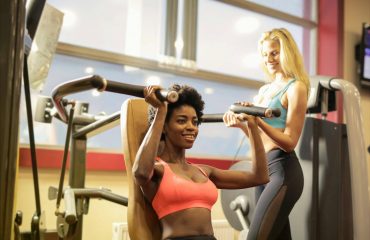
Machines are excellent for isolating a muscle group and guiding the movement safely, which matters a lot when you are starting out. Free weights allow a greater range of motion and recruit far more stabilising muscles. The best answer is to combine the two and take the benefit of each. A well-planned floor gives you both, which is why professional strength training machines and a free-weight area normally sit side by side rather than competing.
What strength training actually gives you
Now that the myths are out of the way, here is why resistance work is one of the best things you can do for your body.
1. Muscle tone and definition
If you want a toned silhouette, shaped arms, a defined midsection and stronger glutes, strength training is the way there. It will not make you swell; it will firm up the muscle and give you the athletic look you may admire in other people. Dedicated glute training equipment exists precisely because this is one of the most requested training goals on any gym floor.
2. Better bone health
Bone density declines with age, and it declines earlier and faster in women. Resistance training strengthens bone and helps prevent conditions such as osteoporosis. Loading the skeleton is what keeps it strong.
3. Fewer injuries
A strong body is a resilient body. Building muscle protects the joints and reduces injury risk, whether you play another sport or simply go about your daily life. Less back, knee and shoulder pain is a reasonable thing to want.
4. More confidence
There is something genuinely satisfying about lifting more than you thought you could. Beyond the physical change, strength training builds a confidence that is hard to get elsewhere. Watching your own progression week after week is its own source of motivation.
How to start without stress and without injury
If walking into a weights area surrounded by loaded bars feels intimidating, that is normal. A few pointers make the first weeks much easier.
1. Start light
Do not go straight for the 20 kg dumbbells. Start light, learn the technique and avoid the injuries that come from rushing. Once the movement is comfortable, add load progressively.
2. Train sensibly
You do not need to train seven days a week to see results. Two to three strength sessions a week are plenty to begin with. Give the muscles time to recover between sessions.
3. Ask for help
If you are new to this, ask a coach or a member of the gym team. They will show you how to use the machines and the weights correctly and help you put together a programme that fits your goals.
4. Set realistic goals
Rome was not built in a day, and neither are muscles. Do not expect a visible change overnight. Be patient, track your progression, and the long-term results will surprise you.
Frequently asked questions
How often should a beginner do strength training?
Two to three sessions a week is a sound starting point, with recovery time between sessions.
Should women train differently from men?
The exercises are the same. What differs is the starting load and the individual goals, which is true of any two people regardless of sex.
Do I need machines or can I train with free weights only?
Both work. Machines guide the movement and are reassuring at the start; free weights recruit more stabilising muscles. Most programmes use a mix.
For gym operators: equipping for this membership
Every myth above has a consequence on a training floor. Members who believe them stay in the cardio zone, and an entire segment of your membership never uses the equipment you paid for. The usual fix is not a poster campaign but a floor layout that makes the strength area approachable: guided machines placed where they are visible rather than hidden at the back, a clearly signed glute and lower-body zone such as the SRX63 Hip Thrust, dumbbells that start well below 10 kg, and an induction that is offered rather than sold. Light In Fitness has equipped more than 2,500 customers since 2013 and can plan the zone with you. Request a quote with your floor plan and your membership profile.
À lire aussi sur le même thème
- Les bienfaits de la musculation pour la santé mentale : Mieux dans son corps, mieux dans sa tête (Et non, soulever des poids ne vous rendra pas dingue)
- Avoiding Strength Training Injuries: Five Mistakes to Stop Making
- Professional Strength Machines: The Quality That Makes the Difference
- Chest press : Les muscles sollicités et pourquoi cet exercice est incontournable (Spoiler : c’est votre meilleur allié pour un torse en béton)