How to Open a Gym: Equipment, Layout and Compliance
Créer une salle suppose d'enchaîner quatre étapes : vérifier la conformité ERP du local, définir le zoning, choisir le sol sportif puis le matériel. Inverser cet ordre conduit à des reprises coûteuses, le sol étant le seul poste non ajoutable après installation. Le budget se répartit ensuite entre cardio, charges guidées et charges libres.
Opening a gym means working through four steps in the right order: confirm that the premises may lawfully receive the public, define the zoning, choose the sports flooring, then select the equipment. Reversing that order leads to expensive rework, because the floor is the only item you cannot add once the machines are in place. The budget is then split between cardio, selectorised strength and free weights.
A fitness and strength training facility is an exciting project, but a demanding one. Between the search for premises, the layout of the training areas, the choice of professional equipment and the recruitment of coaching staff, every decision made early on constrains the ones that follow. This guide sets out the sequence used by the operators we equip: clubs, hotels, campsites, local authorities, schools, rehabilitation centres and armed forces units.
1. Choose the location before anything else
Location decides a large part of a club membership base. Look for a site that is easy to reach, with enough parking for members and a genuine public transport connection. Study the local competition carefully: opening a general purpose club three streets away from an established one rarely works, whereas a clear positioning, whether premium strength training, functional training, small group coaching or a wellness led offer, gives you room to grow.
Check ceiling height, floor loading capacity, the width of the delivery access and the position of the load bearing structure before you sign anything. Those four constraints determine which machines can physically be installed, and they cannot be changed afterwards.
2. Confirm that the premises comply
Any building that receives the public is subject to national rules covering fire safety, evacuation routes, ventilation and accessibility for people with reduced mobility. The requirements differ from one country to another, so the only safe approach is to have the file reviewed by the competent local authority or by a certified inspection body before the lease is signed. Budget for this review; it is far cheaper than discovering a non compliance after the fit out.
3. Zone the floor plan
Zoning is what makes a gym readable and safe. Separate the areas clearly:
- a cardio zone, usually near the windows, with circulation space behind each machine;
- a selectorised strength zone, where beginners can train without supervision;
- a free weight zone with racks, benches and platforms, kept away from the main walkway;
- a functional and stretching area with open floor space;
- a group class studio if your programme includes one;
- reception, changing rooms, showers and toilets, sized for peak attendance rather than average attendance.
Allow real circulation corridors between zones. A plan that looks generous on paper often becomes unusable once the machines have their actual footprint and their safety clearances.
4. The sports floor comes before the machines
This is the step most often postponed, and the most expensive to correct. Once machines are positioned and anchored, laying a floor underneath them means dismantling everything. Choose the covering zone by zone: a thinner rubber surface is enough under cardio equipment, while free weight and lifting areas need a thicker, denser tile able to absorb dropped loads. Acoustic underlay matters as soon as there is an occupied floor below. Our rubber gym flooring tiles range covers these different thicknesses and finishes.
Ask your supplier for the fire classification of the covering you select and keep it on file: it is one of the first documents an inspector will ask for.
5. Select professional equipment
Equipment installed in a facility open to the public must be built for continuous commercial use. The applicable reference for indoor stationary training equipment is EN ISO 20957-1 class S, which covers professional use. Class I equipment is a professional class designed for inclusive access, not a higher intensity tier above class S.
A balanced opening inventory usually combines:
- cardio equipment: treadmills, cross trainers, upright and recumbent bikes, indoor cycling bikes, rowing machines and ski ergometers;
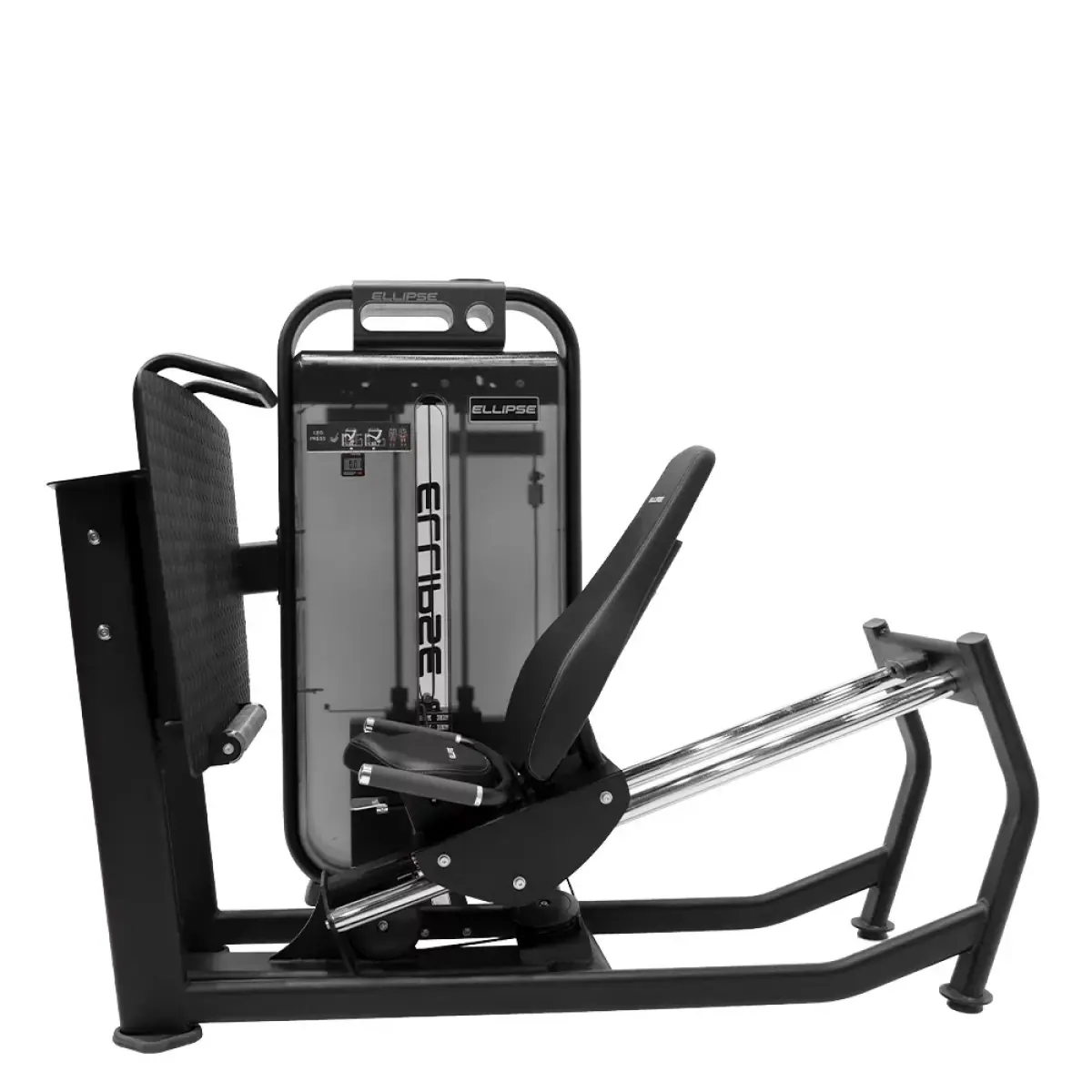
- strength training machines: selectorised stations for guided movement, plate loaded machines for advanced members, cable stations for variety;
- free weights: racks, power cages, benches, olympic barbells, bumper plates, dumbbells and kettlebells.
Buy on durability, spare part availability and warranty rather than on headline price. In a commercial gym, a machine is used dozens of times a day, every day, and the cost of downtime quickly exceeds the initial saving.
6. Wellness and aquatic areas
A sauna, a steam room and a quiet relaxation area increase perceived value and average membership length considerably, for a moderate share of the total investment. Aqua fitness, whether aqua aerobics or aqua cycling, is also growing fast where a pool is already available; it opens the club to an older audience and to members returning from injury.
7. Staff, safety and maintenance
Qualified staff are what turn equipment into results. Plan for personal trainers, group class instructors, reception and cleaning. At least one member of staff present at all times should hold a valid first aid qualification.
On the safety side, have every machine assembled and anchored according to the manufacturer instructions, keep the assembly documentation, and set up a written maintenance log from day one: cable and belt inspection, bolt torque checks, upholstery condition. A maintenance log is also the document that protects you if an incident occurs.
8. Build the programme and the membership offer
Coaching is the main reason members stay. Offer personalised programmes built around clear goals: weight management, muscle toning, general conditioning, cardiovascular endurance, return to activity. Group classes such as body pump, Pilates or Zumba fill off peak hours and create the social bond that keeps people coming back. Nutrition guidance, when delivered by a qualified professional, completes the offer.
On the commercial side, a readable pricing structure, wide opening hours and a free trial session remain the most effective combination for converting local prospects.
9. Launch and promote the club
Prepare the launch several weeks before opening: a simple website with clear pricing, an active local presence on social media, partnerships with nearby businesses, and free trial classes during the opening weeks. Pre-sold memberships before the doors open are the healthiest way to start a gym.
Frequently asked questions
In what order should the work be carried out?
Compliance of the premises, then zoning, then flooring, then equipment. Every other sequence creates rework.
Can domestic equipment be used to open a small club?
No. Equipment intended for home use is not designed for the duty cycle of a commercial facility and does not meet the professional class required in a gym open to the public.
How much floor space is needed per machine?
It depends on the model: each machine has its own footprint and required safety clearance, given in its technical sheet. Build the plan from those figures rather than from a general rule.
Should flooring be installed across the whole surface?
Not necessarily at the same specification. Thickness and density are chosen zone by zone, with the heaviest specification reserved for lifting and free weight areas.
Planning your project
Creating a fitness and strength training facility rewards careful sequencing far more than a large budget. Get the premises, the zoning and the floor right, and the equipment choice becomes straightforward. Send us your floor plan and your target membership profile and we will return a full equipment layout and costing: request a quote.