Where to Source Professional Gym Equipment
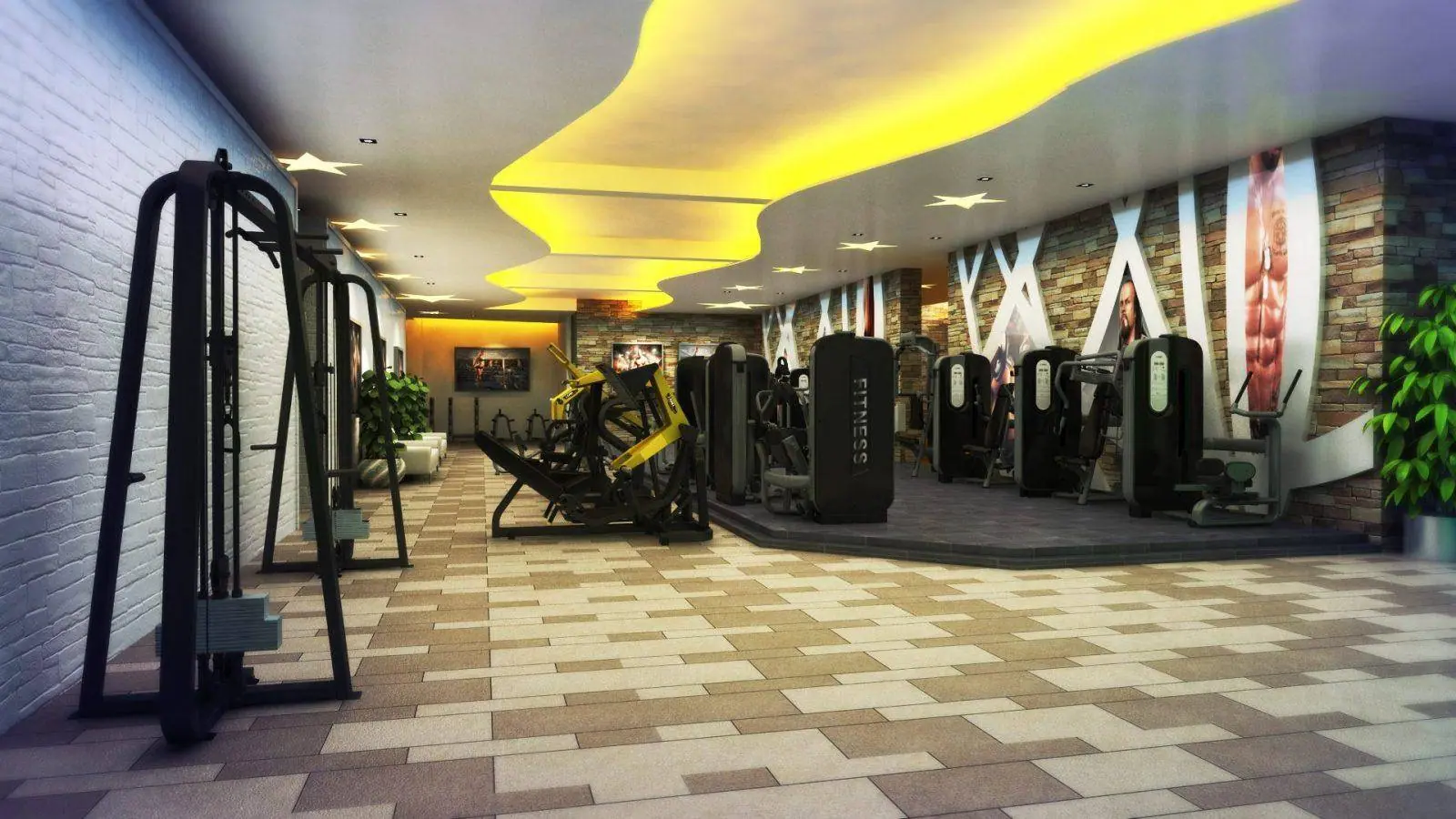
Buying professional strength training equipment is not the same exercise as buying a home gym. Gym operators, hotels, campsites, municipalities, clubs, rehabilitation centres and armed forces units all need machines built for continuous multi-user duty, backed by spare parts and a warranty that outlives the first refurbishment cycle. This guide reviews the realistic sourcing channels and the criteria that should drive the decision.
The sourcing channels available to a professional buyer
General marketplaces list a very wide catalogue of dumbbells, benches, strength machines, cross trainers and treadmills, but they rarely offer commissioning, on-site assembly or a spare-parts channel. Sports retailers cover the light end of the range. Specialist B2B suppliers are the channel built for facility projects: they quote a complete configuration rather than a single item, and they carry the professional ranges operators recognise, such as Bodytone, Ziva and Light In Fitness.
The practical difference is not the price tag on one machine. It is whether the supplier can replace a cable, a pulley or an upholstery pad three years later without you having to retire the station.
Professional grade versus consumer grade
The reference framework for indoor equipment used in a supervised, multi-user facility is EN ISO 20957-1 class S. That is the benchmark to ask about before anything else. Frame gauge, bearing quality, weight stack guidance and upholstery density are what separate a machine that survives a decade of daily footfall from one that does not.
Adjustable equipment is a strong choice for a mixed membership: adjustable load and adjustable geometry let one station serve a beginner and an experienced lifter without duplicating the footprint. Our range of professional strength training machines and cardio equipment is built on that principle.
Budget, floor space and muscle group coverage
Three constraints shape every equipment list. Budget sets how much of the plan can be delivered in phase one. Floor space sets the number of stations and the circulation corridors between them. Muscle group coverage sets the mix: a facility that buys six pushing stations and no pulling stations will have a queue on one side of the room and empty machines on the other.
Work backwards from the training offer you sell, not from a catalogue page. Weight benches and free-weight areas are usually the cheapest way to broaden coverage once the selectorised stations are in place.
Second-hand equipment: when it makes sense
Gym closures and refurbishments put used professional equipment on the market, and some of it is in genuinely good condition. Inspect it properly before committing: cable wear, bearing play, frame welds, weight stack alignment and the availability of spare parts for that specific model. A machine you cannot get parts for is a liability, not a saving.
Financing a professional equipment purchase
Outright purchase is not the only route. Instalment plans and leasing arrangements are widely used by operators who prefer to align the cost with the revenue the equipment generates. Check the terms carefully before deciding: what happens at the end of the term, who carries the maintenance obligation, and whether the equipment can be extended or swapped mid-contract.
Frequently asked questions
Is consumer equipment ever acceptable in a commercial facility?
No. Equipment designed for a single household user is not built for the duty cycle or the supervision context of a commercial floor, and it will not hold up.
How long should professional equipment last?
With correct maintenance, well-built professional stations are long-life assets. Our steel structures carry a warranty of up to 20 years, and our stainless steel structures a lifetime warranty.
Should the whole facility be equipped at once?
Not necessarily. Phasing works well provided the layout is designed for the final configuration from the start, so that later additions do not force a rebuild of the floor plan.
Planning your equipment list
Light In Fitness has been equipping professional facilities since 2013, with more than 2,500 customers equipped out. Send us your floor plan, your membership profile and your budget envelope, and we will build a costed configuration around them. Request a quote to get started.