Fitness Training Trends and What They Mean for Your Equipment Plan
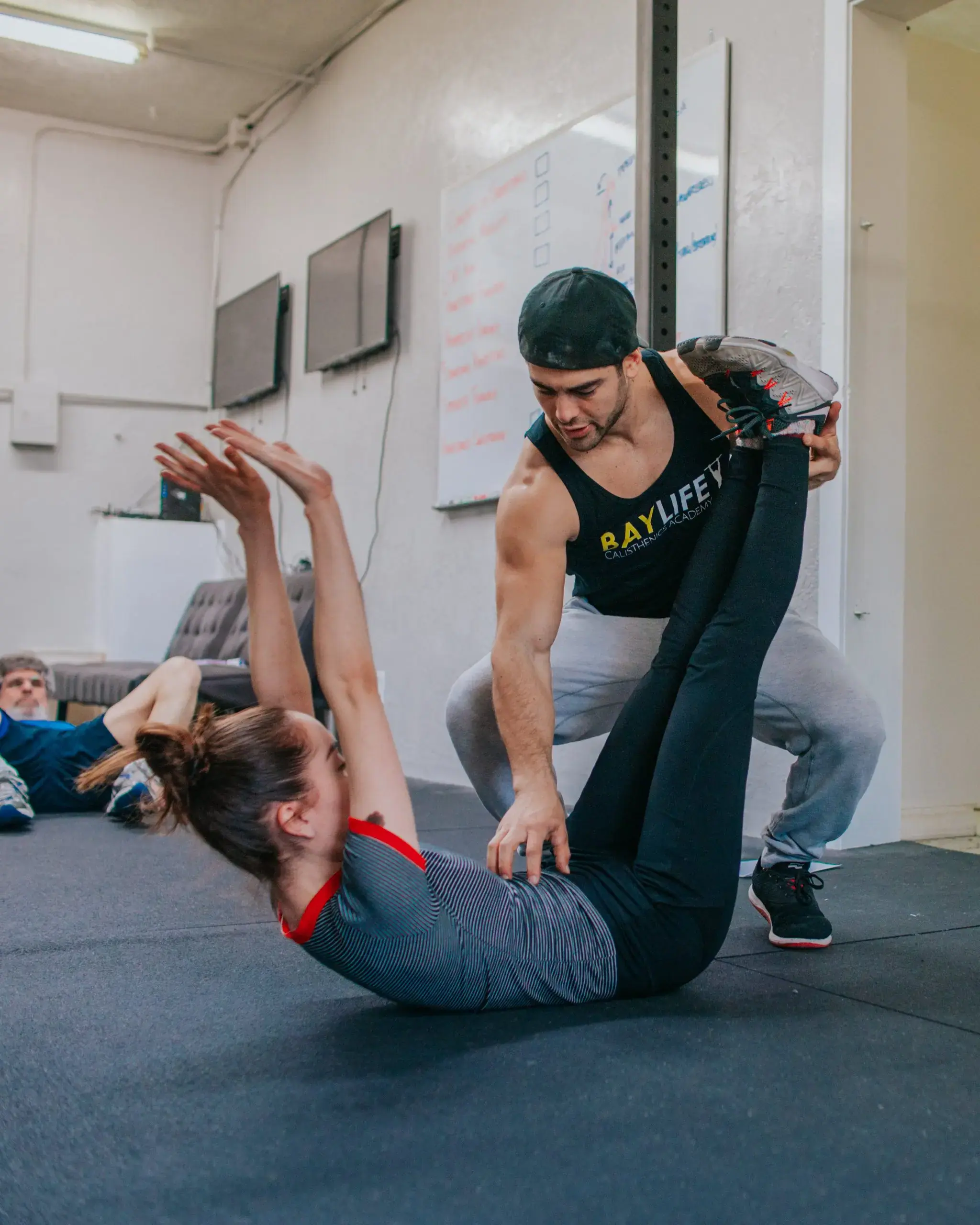
Training trends are usually discussed as a consumer story: what members should try next. For anyone running a facility, they are something far more concrete. Every format that arrives on a class timetable brings its own equipment list, its own floor space per participant and its own wear profile. Getting that translation right is what separates a gym that fills its classes from one that bought the wrong machines two years ago.
This article looks at the training formats currently shaping timetables in commercial gyms, hotel fitness suites, municipal facilities, clubs and corporate wellness rooms, and sets out what each of them actually requires from the equipment plan. The aim is not to rank the trends, but to let you decide which of them your building, your budget and your membership can genuinely support.
Why training trends are a procurement issue
A format only becomes a trend when enough people want to do it at the same time. That is precisely the problem for an operator: twelve people all wanting to do the same movement in the same forty-five minutes is a capacity question before it is a coaching question. A format that needs one square metre per participant and one that needs four have completely different consequences for your floor plan, and the difference is not visible in a product catalogue.
The second consideration is duty rating. Equipment in a supervised commercial facility is used continuously by people of very different sizes and abilities. Indoor equipment for that environment should be specified to EN ISO 20957-1 class S, the class intended for professional and commercial use. Anything specified below that will not survive the usage pattern a popular class format creates, and replacing it mid-cycle is far more expensive than specifying it correctly the first time.
Why member results matter to your business
Before looking at the formats themselves, it is worth stating plainly why any of this matters commercially. Members who see results stay. Regular exercise strengthens the immune system, reduces cardiovascular risk, lowers blood pressure and supports better circulation. It helps maintain a healthy weight, which in turn reduces obesity-related problems.
Beyond the clinical picture, fitness improves everyday quality of life. Members who train have more energy for work and personal commitments, feel more confident, and report better mental wellbeing. They stay more active for longer, whether that means playing their own sport, travelling or simply keeping up with family. Every one of those outcomes is a retention argument, and retention is what pays for the equipment.
The formats currently shaping timetables
Functional training
Functional training emphasises the body’s natural movement patterns and muscular coordination. It aims to improve strength, balance, agility and flexibility so that everyday tasks become easier, through movements such as squats, lunges, press-ups and burpees. Equipment consequence: a rig or functional structure with attachment points, plus a clear conditioning area. Much of the work is bodyweight, so the cost sits in the structure and the floor rather than in machines.
Circuit training
Circuit training combines cardiovascular and strength exercises in a single complete session, moving through a series of different exercises with little or no rest between them. It burns calories while building both strength and endurance. Equipment consequence: this is the format with the highest station count. You need enough discrete stations for the whole group to move simultaneously, which usually means combining light machines, free weights and floor stations rather than buying more of any one thing.
High-intensity interval training
HIIT alternates periods of high-intensity effort with periods of rest or low-intensity work. It burns more calories in less time while improving cardiovascular endurance and lung capacity. Equipment consequence: durable cardio machines that tolerate repeated hard starts and stops, and ventilation that can cope with a room working at maximum output. HIIT is also the format that punishes flooring fastest.
Suspension training
Suspension training uses hanging straps to perform a wide range of exercises that recruit the whole body, improving strength, stability and flexibility while working the muscles functionally. Equipment consequence: certified anchor points. This is the cheapest format to buy into and the easiest to get structurally wrong, because straps must be anchored to a structure rated for dynamic load, never to a fixture that happens to be overhead.
Free weights
Free weight training builds and tones muscle using dumbbells, kettlebells or simply bodyweight. It develops functional strength and improves body composition. Equipment consequence: a genuinely complete weight range, proper storage, and flooring that survives dropped loads. Free weight areas are also where supervision matters most, so sightlines belong in the layout discussion.
What these formats deliver
Broader physical condition. The methods above work different qualities: strength, endurance, balance and flexibility. Programming several of them means members improve across the board rather than in one dimension.
Weight management and fat burning. These formats are effective at burning calories. The cardiovascular work in circuit training, HIIT and suspension training stimulates metabolism, which drives increased fat burning.
Strength and muscle tone. Free weights and suspension work strengthen and tone the musculature, which is what most members mean when they describe the result they are after.
Endurance and work capacity. High-intensity work such as HIIT improves cardiovascular endurance and the ability to sustain hard effort over a longer period.
Variety, which prevents boredom. This last one is the commercial point. A varied offer keeps sessions interesting and members engaged over the long term, and long-term engagement is the only thing that makes a fit-out pay for itself.
Making the formats work in practice
Set realistic goals. Members need achievable targets to stay motivated and to measure progress over time. Facilities that build simple progress tracking into their coaching keep people far longer than those that do not.
Train regularly and consistently. Optimal results require regular training. The usual guidance is to fit at least three to five sessions per week into the schedule, which has a direct consequence for you: peak capacity, not total membership, is what your equipment count has to serve.
Adapt sessions to individual capability. Training has to be adapted to each person’s abilities and limitations, with professional guidance where needed. Practically, that means specifying equipment with real adjustability rather than a single fixed configuration.
Support training with balanced nutrition. Balanced, healthy eating underpins results, with sufficient protein, complex carbohydrates, healthy fats and vegetables. Many facilities partner with a nutrition professional rather than trying to cover this themselves.
Build in stretching and recovery. Stretching prevents injury and improves flexibility, and the body needs adequate recovery time between intense sessions. That means a recovery zone with mats and space, which is easy to forget when the floor plan is drawn around machines.
Turning the trends into an equipment plan
Read the five formats back as a specification and the shape of the facility becomes clear. Functional training, circuit work and suspension training all converge on the same structural answer: a functional training rig with the attachment points and anchoring needed to serve several stations at once. That single decision usually unlocks three formats rather than one.
HIIT and circuit training then determine your cardio equipment specification, since machines used in intervals are subjected to a much harder duty cycle than machines used at steady state. Free weight programming means professional dumbbells across a complete range, with the racking and flooring that go with them.
Frequently asked questions
Should a facility try to offer every format?
Rarely. It is better to run three formats properly than five with insufficient stations. Look at which formats share equipment, since a rig plus a good conditioning floor covers functional, circuit and suspension work with one capital decision.
How much floor space should be left free?
That depends on your class sizes and the movements programmed, and it should be calculated from the actual timetable rather than a rule of thumb. It is worth measuring before ordering: free space is the constraint that is impossible to correct after installation.
What is the difference between professional and consumer equipment?
Duty class, materials and serviceability. Equipment for a supervised commercial facility should be specified to EN ISO 20957-1 class S, with replaceable wear parts and structures designed for continuous multi-user operation.
Do these formats work outdoors?
Many of them do, but the specification changes completely. Permanently installed outdoor adult training equipment falls under EN 16630, with its own requirements for materials, anchoring and free space. Indoor equipment cannot simply be moved outside.
Planning your facility
Trends are useful to an operator only once they have been converted into stations, square metres and duty ratings. Decide which formats your timetable will genuinely run, how many people must perform each one simultaneously, and what your building allows. From there the equipment list is a calculation rather than a guess.
Light In Fitness has equipped professional sports and fitness facilities since 2013, from single zones to complete turnkey projects. Send us your floor plan, your class sizes and the formats you intend to programme, and we will come back with a configuration and a costed proposal. Request a quote to get started.