Strength Training Programme for Seniors: Staying Fit After 60
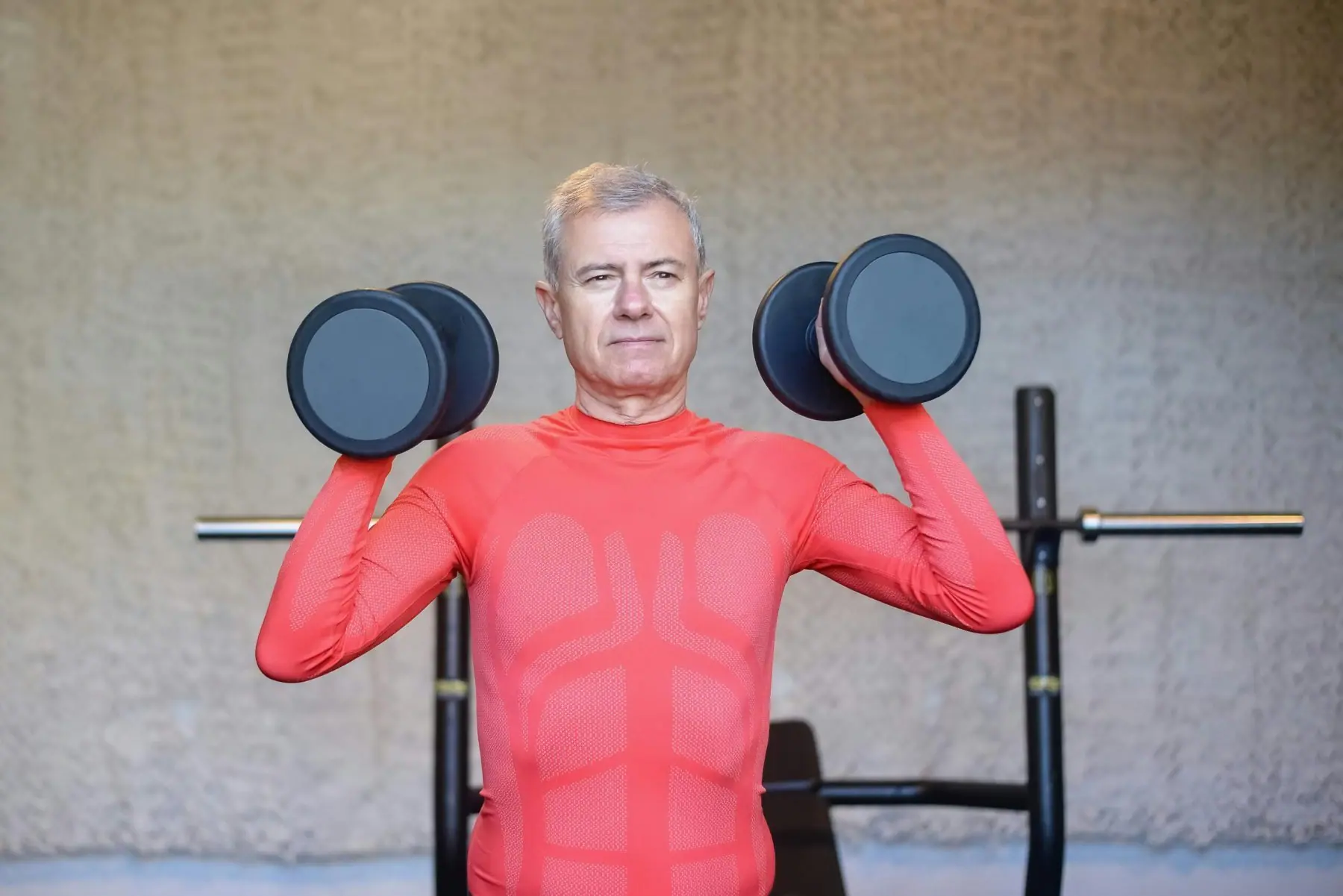
Strength training is not just for the young. It is after 60 that it becomes most valuable for health, independence and quality of life. From the age of 30 we lose an average of 3 to 8 per cent of muscle mass per decade, a process known as sarcopenia that accelerates after 60. That loss reduces strength, balance, mobility and bone density, and it raises the risk of falls, fractures and loss of independence. The good news is that resistance training is the most effective counter to sarcopenia, at any age. Here is a safe, progressive programme, and what it means for operators who want to serve this membership.
Why strength training after 60
The evidence is consistent, and the benefits are substantial.
Preserving muscle mass. Resistance training is the most effective way to counter sarcopenia. Studies show that even people in their eighties and nineties can gain muscle mass and strength with an appropriate programme.
Bone strength. Loading stimulates bone density and reduces the risk of osteoporosis and fracture, a major issue for older adults and particularly for post-menopausal women.
Better balance. Stronger and more responsive muscles improve balance and reduce the risk of falls, which are among the leading causes of injury-related hospital admission in the over-65s.
Cardiovascular health. Moderate resistance training supports blood pressure, cholesterol and insulin sensitivity.
Mental health. Regular physical activity lowers the risk of depression, improves sleep, supports cognitive function and strengthens self-confidence.
Independence. Getting out of a chair, climbing stairs, carrying shopping, gardening: every one of these depends on muscular strength. Training is what keeps people doing them unaided for longer.
Weight management. Metabolism slows with age. Maintaining muscle mass, which burns calories at rest, helps control body weight.
Precautions
Medical clearance. Before starting, members should have their doctor agree the plan, particularly with a history of cardiovascular disease, arthritis, diabetes or any other chronic condition.
Start gradually. For anyone who has never trained with resistance, begin with very light loads and simple movements, progressing over several weeks.
Always warm up. Eight to ten minutes is the minimum: walking on a treadmill or an upright or recumbent bike, joint mobility for shoulders, hips, knees and ankles, then light dynamic movement.
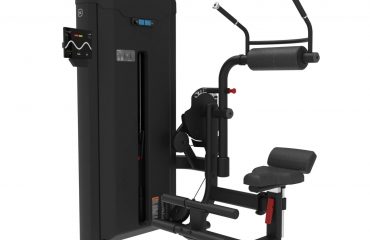
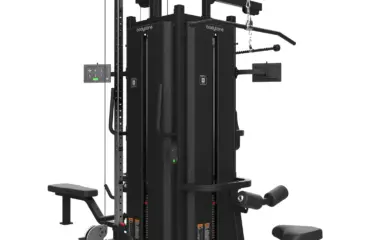
Favour selectorised machines. Guided machines suit older members because they impose a safe movement path, limit the risk of a poorly executed lift and allow precise load adjustment. For this population they are the safest and most appropriate equipment.
Breathe correctly. Never hold the breath during effort. That is the Valsalva manoeuvre and it raises blood pressure sharply. Breathe out through the effort phase and in during the return.
Listen to the body. Unusual joint or muscle pain is a signal to stop. Normal muscular fatigue, a burning sensation in the muscle, is not the same as joint or tendon pain, which is a warning.
Stay hydrated. Older adults are more susceptible to dehydration. Drink regularly before, during and after training.
A strength programme for older adults
This programme is designed to be safe, progressive and complete: two to three sessions per week, with at least one rest day between sessions.
Session A: upper body
- Machine chest press: 3 x 12, light
- Lat pulldown: 3 x 12
- Machine shoulder press: 3 x 12
- Machine seated row: 3 x 12
- Machine or light dumbbell biceps curl: 2 x 15
- Cable triceps extension: 2 x 15
- Plank on knees: 3 x 20 seconds
Session B: lower body
- Leg press, light to moderate load: 3 x 12
- Leg extension: 3 x 12
- Leg curl: 3 x 12
- Hip abduction machine: 3 x 15
- Hip adduction machine: 3 x 15
- Seated calf raise: 3 x 15
- Back extension machine, light: 2 x 12
Session C, optional: light full body
- Leg press: 2 x 15
- Machine chest press: 2 x 15
- Lat pulldown: 2 x 15
- Hip abduction: 2 x 15
- Light biceps curl: 2 x 15
- Plank: 2 x 20 seconds
- Ten minutes on an upright or recumbent bike to finish
Training parameters
- Load: light to moderate. Every repetition must be achievable with good technique.
- Repetitions: 12 to 15 per set. No maximal loads and no sets to failure.
- Rest: 60 to 120 seconds between sets. Recovery time is part of the programme.
- Progression: increase the load very gradually, in the order of 1 to 2 kg per exercise every two to four weeks, once the repetitions become easy.
- Duration: 35 to 50 minutes per session including the warm-up.
Appropriate cardio work
Alongside strength work, moderate cardiovascular training benefits the heart, the circulation and endurance.
Upright and recumbent bikes. These are the most suitable cardio machines for older members. The backrest supports the back, the joints take no impact and the position is comfortable. Twenty to thirty minutes at moderate intensity.
Cross trainers. A full-body workout with no joint impact. The smooth movement suits members with knee or hip osteoarthritis. Fifteen to twenty-five minutes at low to moderate intensity.
Treadmill walking. Brisk walking at 4 to 6 km per hour with a slight incline of 2 to 5 per cent is excellent cardio work that also loads the legs and glutes. Twenty to thirty minutes.
Recommended frequency is two to three cardio sessions of 20 to 30 minutes per week in addition to the strength sessions. The World Health Organization recommends at least 150 minutes of moderate physical activity per week for adults over 65.
Balance and mobility
Balance work. Single-leg stands of 15 to 30 seconds, heel-to-toe walking, lateral steps and weight transfers. Include them in the warm-up or at the end of the session.
Mobility work. Shoulder rotations, hip circles, knee flexion and extension, ankle rotations. Five to ten minutes per session maintains joint range.
Stretching. At the end of the session, stretch the main muscle groups worked gently, holding each stretch 15 to 30 seconds without forcing.
Nutrition for active older adults
Protein. Older adults need more protein than younger adults to maintain muscle mass. Aim for 1.2 to 1.6 g of protein per kilogram of body weight per day, from meat, fish, eggs, dairy and pulses.
Distribution. Unlike younger adults, older adults benefit from spreading protein evenly across three or four meals, 25 to 35 g per meal, rather than concentrating it in one.
Vitamin D. Essential for calcium absorption and bone health, and frequently deficient in older adults. A blood test and, if needed, supplementation should be discussed with a doctor.
Calcium. 1200 mg per day for the over-60s, from dairy products, almonds, broccoli and tinned sardines.
Hydration. The sensation of thirst diminishes with age. At least 1.5 litres of water per day, more on training days.
Omega-3. Natural anti-inflammatories that protect the joints and the heart: oily fish such as salmon, mackerel and sardines, plus walnuts and linseed.
Equipping a facility for older members
Operators who want to welcome older members need equipment specified for them.
- Selectorised machines with fine load increments, in the order of 2.5 to 5 kg plates, and comfortable seating. Browse the range of selectorised machines.
- Recumbent bikes with a backrest, for maximum comfort and safety for members with back or balance problems. See the recumbent bikes range.
- Upright bikes with a wide, adjustable seat, and cross trainers with a smooth, impact-free movement, across the professional cardio machines range.
- Treadmills with side support rails and a slow, progressive start.
- Wall bars as a support for balance, mobility and stretching work.
- Non-slip rubber flooring for a secure surface throughout the area.
Older members are a fast-growing segment. Facilities that offer dedicated time slots, appropriate supervision and comfortable equipment differentiate themselves and retain these members over the long term.
Creating a senior area in your facility
Dedicated time slots. Mid-morning slots, roughly nine to eleven, when the floor is quieter. The calmer atmosphere and the availability of machines are consistently appreciated.
Supervision. An instructor holding the recognised national fitness qualification, ideally with training in exercise for older adults, reassures members and improves retention. Free introductory sessions work well.
Accessibility. Check that the facility is accessible to people with reduced mobility, that spacing between machines is generous enough, and that the changing rooms are suitable.
Communication. Lead with the health benefits. Partnerships with local doctors, physiotherapists and health insurers or public health bodies, where those exist in your market, bring in members who would not otherwise walk through the door.
Frequently asked questions
Can someone start strength training at 60, 70 or 80?
Yes. Studies show meaningful gains in strength and muscle mass even in people in their eighties and nineties. What matters is starting gradually, with light loads and guided machines.
How often should an older member train?
Two to three strength sessions per week plus two to three moderate cardio sessions, with at least one rest day between strength sessions.
Are machines better than free weights for older members?
For most, yes. Guided machines provide a safe movement path, limit injury risk and allow precise load adjustment, which is exactly what a progressive programme needs.
Is strength training bad for the joints?
No, the opposite. Training with appropriate loads strengthens the muscles that stabilise the joints, which tends to reduce joint pain and injury risk. Excessive loads and painful movements are what should be avoided.
Does strength training help with osteoporosis?
It is one of the most effective non-pharmacological measures. Mechanical loading of the bone stimulates bone-forming activity and supports bone density. It complements medical management rather than replacing it.
Conclusion
Strength training after 60 is not a luxury but a necessity. It preserves muscle mass, strengthens bone, improves balance, reduces the risk of falls and maintains independence for as long as possible. With a suitable programme built on professional guided machines, moderate cardio and a protein-rich diet, older adults can not only maintain their physical condition but improve it significantly. It is never too late to start.
If you are fitting out or adapting a facility for older members, send us the floor area, the membership profile and your budget, and we will propose a configuration. Request a quote to get started.